
The cheapest listing isn't automatically the smartest choice, and the largest home may create the largest maintenance and tax burden. Buyers searching for homes for sale in the western suburbs of Chicago should first define the trade-offs they can live with: total monthly cost, commute, school priorities, housing condition, transit access, and tolerance for multiple-offer competition. A lower purchase price can lose its advantage when an older roof, outdated wiring, limited parking, or a long daily commute enters the calculation.
The six profiles below focus on how Melrose Park, Elmhurst, Downers Grove, Naperville, Oak Park, and Glen Ellyn differ in housing stock, buyer fit, renovation risk, and negotiating conditions. A cross-market comparison follows, then an entry-level strategy for buyers who need to search carefully rather than browse every listing in the region. Homes By Carmen supports that process with MRED-powered searches, neighborhood guidance, tours, offer preparation, inspections, negotiations, and closing coordination.
Table of Contents
- 1. Melrose Park Market Overview and Representative Homes
- 2. Elmhurst Market Overview and Representative Homes
- 3. Downers Grove Market Overview and Representative Homes
- 4. Naperville Market Overview and Representative Homes
- 5. Oak Park Market Overview and Representative Homes
- 6. Glen Ellyn Market Overview and Representative Homes
- 7. Comparative Market Analysis Across Western Suburbs
- 8. First-Time Buyer and Entry-Level Strategy for Western Suburbs
- Western Chicago Suburbs: 8-Area Market & Buyer Comparison
- Turn Six Suburbs Into One Focused Search
1. Melrose Park Market Overview and Representative Homes
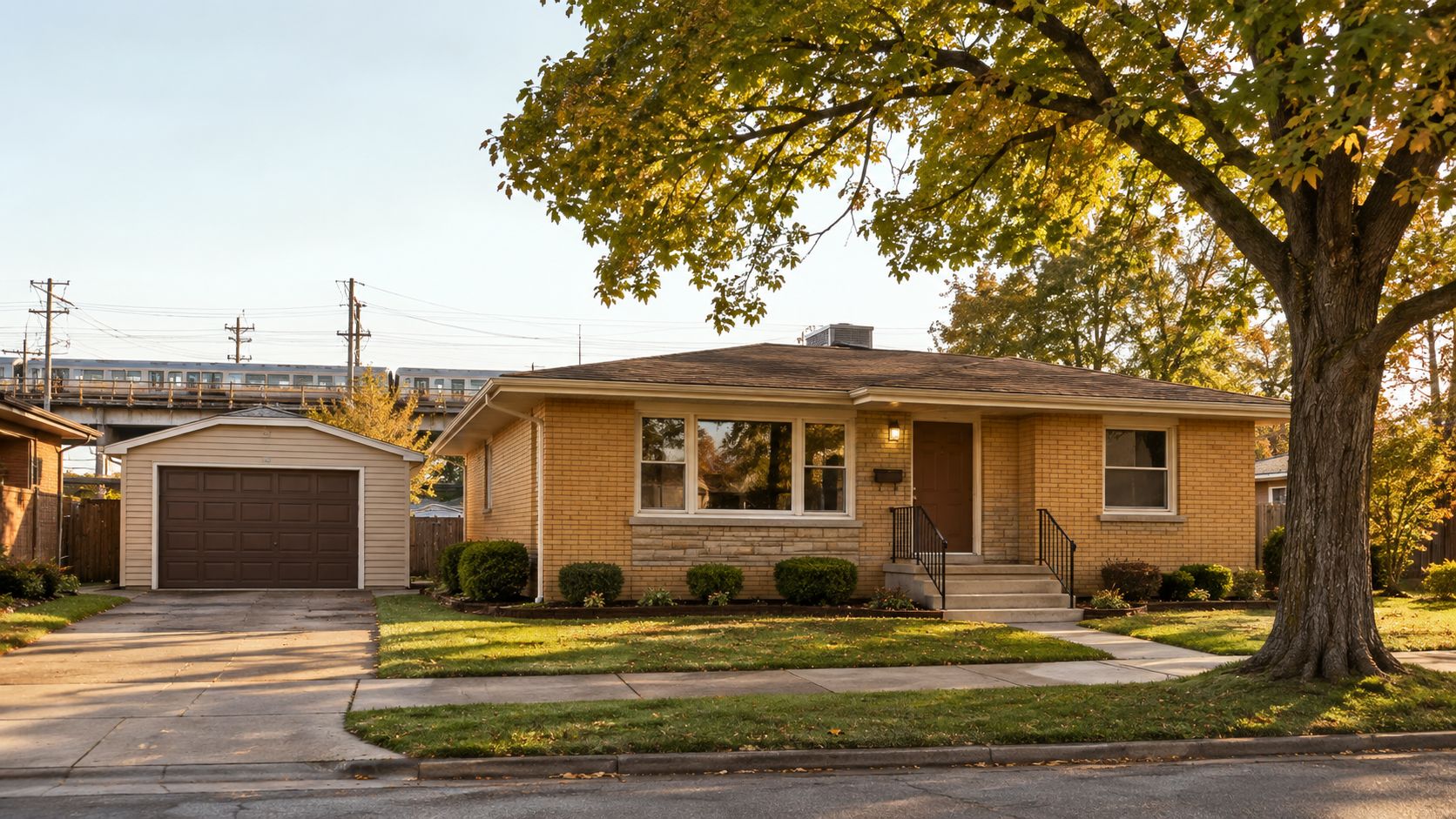
Melrose Park is a practical starting point for buyers who want a close-in western suburb, community character, and a more approachable entry point than many higher-priced markets nearby. The housing stock includes many older single-family homes and modest two-flats, so the right question isn't whether a listing looks affordable. It's whether the property's systems, layout, transit access, and future repair needs fit the buyer's cash reserves and schedule.
A first-time buyer might prefer a smaller ranch with manageable upkeep, while an investor could evaluate a two-flat for rental income. A buyer who wants lower maintenance may instead focus on a condo near downtown. Each option solves a different problem, and none should be evaluated from the listing photos alone.
Where Melrose Park fits
Melrose Park works well for first-time buyers and families who value proximity to Chicago and want access to a diverse, established community. Older homes can offer character and useful lots, but they may also carry deferred maintenance that isn't obvious during a quick showing. A careful inspection should address the roof, foundation, plumbing, electrical systems, drainage, and signs of water intrusion.
Practical rule: Treat the inspection as a negotiation tool and a risk assessment, not as a formality.
Review the seller disclosure and verify flood-zone information through FEMA's flood map service. Buyers should also compare Metra schedules, station parking, and the actual door-to-door commute. A weekday morning tour can reveal traffic, school activity, parking pressure, and neighborhood noise that an evening showing may miss.
For local neighborhood context, review Bulger Park homes and community information in Melrose Park. Buyers should request documentation about known foundation, roof, and plumbing problems before writing an offer. Repair credits or price reductions may be more useful than asking a seller to complete work without clear standards, but the best approach depends on the inspection findings and financing terms.
2. Elmhurst Market Overview and Representative Homes
Elmhurst appeals to buyers who want a polished suburban setting, established neighborhoods, strong family appeal, and a reasonable connection to Chicago. Its inventory can include older homes that have been modernized, traditional colonials, ranches, condos, and properties with renovation potential. The price range is broad enough that buyers need to distinguish between an entry-level location, a move-up home, and a property where land or school boundaries drive the premium.
A family moving from Melrose Park might prioritize an updated kitchen, usable bedrooms, and a confirmed school assignment. Another buyer may accept a smaller or less updated home to gain a preferred location. An investor evaluating a rental should analyze taxes, maintenance, tenant demand, and local rules rather than assume that a desirable school district guarantees a strong investment.
The Elmhurst decision is often about boundaries
Buyers should verify the exact school assignment for every address. A listing description can describe a neighborhood broadly, but attendance boundaries, municipal borders, and nearby district lines require direct confirmation before a buyer relies on them. School visits and current district information are more useful than treating a generalized reputation as a substitute for due diligence.
The same discipline applies to the physical property. Homes from earlier construction periods may need HVAC work, roof replacement, foundation repairs, or layout updates. Ask for the seller disclosure, prior permits where available, and records for major systems. A north-facing lot, unusual configuration, or restricted building envelope may also affect future additions and resale appeal.
Use Elmhurst real estate listings and neighborhood guidance to organize the search around property type and lifestyle rather than price alone. Buyers should request the current tax bill during due diligence and include taxes, insurance, utilities, maintenance, and financing in the monthly budget. In a market where attractive homes can draw early attention, preparation matters, but buyers still shouldn't waive protections they need merely to compete.
3. Downers Grove Market Overview and Representative Homes
Downers Grove suits buyers who want a walkable downtown, established suburban amenities, and access to commuter transportation without giving up a traditional residential setting. The market attracts established families, move-up buyers, executives, and downsizers, which means the same suburb can contain very different searches. A buyer near downtown may value restaurants, parks, and train access, while another may prefer a larger lot farther from the commercial core.
A relocating executive could prioritize a dependable Metra routine and a home that requires little work. A family moving from another western suburb may focus on lot size, school boundaries, and room for a growing household. A retiree may value a condo or townhouse with less exterior maintenance and easier access to services.
Property condition matters more in older housing stock
For homes built before modern systems became common, a general inspection may need follow-up from specialists. Buyers should ask about older wiring, asbestos-containing materials, HVAC age, sewer lines, drainage, and past remodeling. The presence of an older system doesn't automatically make a property a bad purchase, but it should affect the offer, inspection strategy, insurance review, and reserve planning.
Downers Grove's downtown location also creates a practical issue that listing photos rarely answer: parking. Visit at the times you expect to use restaurants, events, and transit. Check whether the home has a garage, driveway, permit requirements, or restrictions that affect guests and future resale.
Timing and local planning
Fall and winter searches may offer a quieter environment, though fewer homes may be available. Buyers should review municipal planning information for nearby zoning or redevelopment proposals, particularly when a property's appeal depends on a quiet street or a specific neighborhood feel. HOA documents deserve the same attention. Read fee schedules, maintenance responsibilities, architectural rules, rental restrictions, and meeting records before treating a townhome or condo as a low-maintenance purchase.
If children are involved, confirm the school district for the exact address, especially near municipal and district borders. The best Downers Grove search is specific, not broad: identify the acceptable commute, the preferred housing type, and the repairs you're willing to manage.
4. Naperville Market Overview and Representative Homes
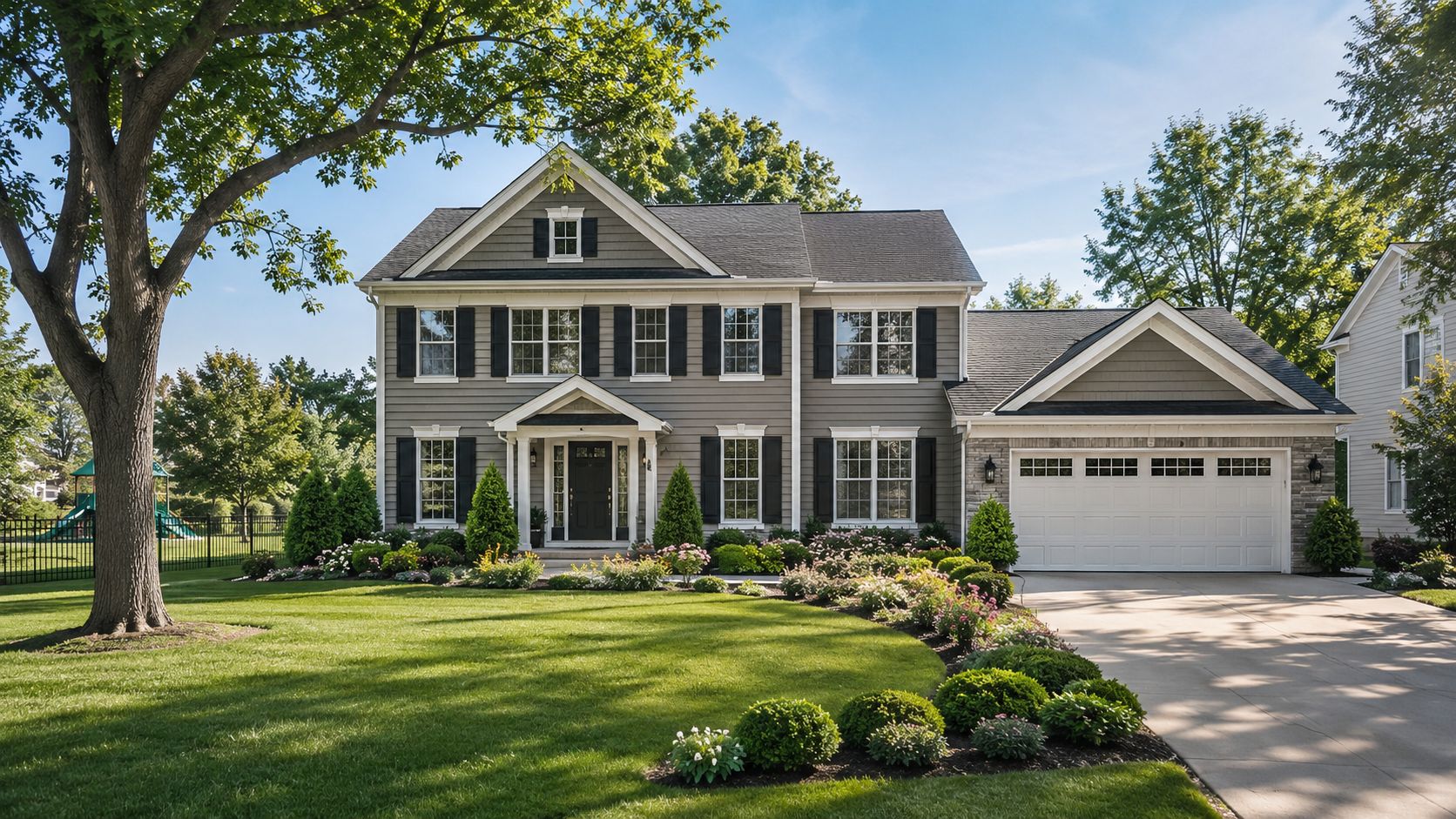
Naperville is often the right fit for move-up families, established professionals, and buyers who want a substantial suburban lifestyle with a lively downtown and strong school appeal. It's also geographically large, so the phrase “Naperville commute” doesn't describe one uniform experience. A home near a station, a property in a newer development, and a residence in a western section can produce very different daily routines.
An executive relocating from out of state may need temporary housing while the purchase closes. A family may need the closing date to align with a school-year transition. An investor may consider a ranch or other lower-maintenance property, but the analysis should include taxes, insurance, repairs, vacancy risk, and local rental rules.
Competing requires preparation, not panic
Naperville buyers should obtain a lender's preapproval before touring seriously, especially when they're comparing higher-priced homes or expect strong competition. A preapproval doesn't mean a buyer should spend to the maximum approval amount. It establishes a realistic ceiling, while the household budget determines the comfortable target.
Inspect every property, including newer construction. Review the roof age, foundation history, drainage, HVAC records, permits, and any builder or association documents. HOA rules can affect exterior changes, pets, rentals, parking, and landscaping, so buyers should request governing documents and recent meeting materials before making an offer.
Lifestyle and location are separate filters
Tour downtown and the surrounding neighborhoods at the times your household would use them. Restaurants, parks, libraries, community activities, and retail can influence satisfaction, but lifestyle appeal shouldn't hide a difficult commute or an unsuitable floor plan. Calculate travel time from the specific address to work, school, transit, and frequently used services.
Taxes also deserve parcel-level verification. Ask for the current tax bill, identify exemptions that may not transfer, and confirm the assessment with the relevant county office. A home can fit the purchase budget and still strain the monthly budget once taxes, insurance, utilities, maintenance, and association costs are included.
5. Oak Park Market Overview and Representative Homes
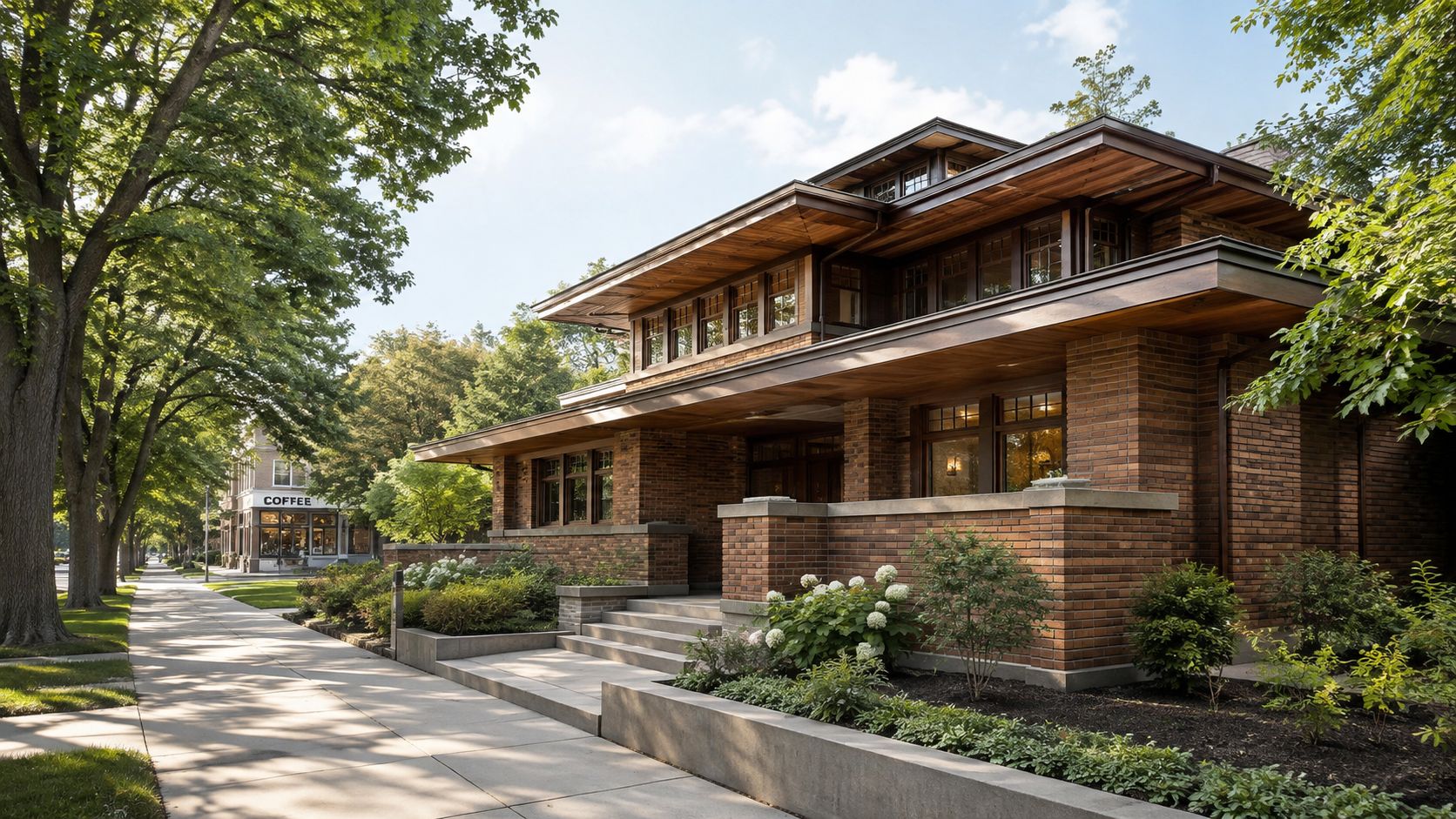
Oak Park is a strong choice for buyers who want historic architecture, walkable streets, cultural activity, and transit access close to Chicago. Its housing stock can be visually compelling, but older construction rewards patient investigation. A beautiful Prairie-style exterior may conceal outdated mechanical systems, drainage problems, structural work, or restoration requirements that affect both the budget and the timeline.
A first-time buyer might choose a renovated townhouse to reduce immediate project risk. Another buyer may prefer a historic single-family home and accept the responsibility of restoring it appropriately. A duplex can attract an investor, but rental income should be tested against taxes, insurance, repairs, vacancy, local requirements, and the condition of both units.
Older homes need a deeper inspection plan
Buyers should budget for uncertainty rather than assume a renovated kitchen means the entire property has been updated. Ask about the roof, foundation, water history, sewer line, electrical service, HVAC, windows, insulation, permits, and prior additions. If the home sits near an area with potential flood exposure, consult FEMA flood maps and ask the insurer how the address affects coverage.
Historic properties can also carry design constraints or restoration expectations. Confirm whether local restrictions apply before planning new windows, exterior changes, additions, or major landscaping. A buyer who wants low maintenance may find that a newer condo or townhouse is a better fit than a character-rich home requiring specialized work.
Transit and daily rhythm
Check the CTA Green Line station locations and schedules through the Chicago Transit Authority, then test the walk or drive from the specific property. Not every Oak Park address offers the same convenience. Visit during weekday mornings, evenings, and weekends to evaluate noise, parking, traffic, and neighborhood activity.
School decisions should also be address-specific. Families need current district information and should compare public and private options based on their priorities. Oak Park's appeal is broad, but the right property depends on whether the buyer values architecture, transit, outdoor space, renovation potential, or immediate usability most.
6. Glen Ellyn Market Overview and Representative Homes
Glen Ellyn combines a traditional downtown, family-oriented neighborhoods, established community identity, and strong demand from buyers who want a long-term suburban setting. Its inventory can include mid-century homes, updated colonials, newer replacements, condos, and properties where the lot matters as much as the structure. Buyers comparing Glen Ellyn with Naperville or Downers Grove should compare the complete ownership cost and daily routine, not just the list price.
A move-up family may accept a smaller house to gain a preferred school assignment and downtown access. A relocating professional may need a clear plan for inspections, financing, and commuting before making an offer. A retiree may prefer a condo or townhouse near services, while an investor must verify rental rules and evaluate the property as an operating asset.
Confirm the address before falling for the neighborhood
School boundaries require direct verification. Adjacent streets can feed into different schools, and a general description of Glen Ellyn can't substitute for confirmation through the district. Buyers should schedule school tours where appropriate, review current district information, and treat the attendance assignment as a contract-level due diligence issue.
The home inspection should examine roof age, HVAC history, foundation movement, drainage, sewer lines, electrical updates, and additions. Homes from the middle decades of the twentieth century often have attractive lots and established landscaping, but their systems may need phased replacement. Buyers should separate cosmetic work from safety, water, and structural concerns before deciding how much renovation they can handle.
Compare lifestyle against carrying cost
Walk the downtown area and test the commute from the actual address. Metra proximity can vary significantly within the suburb, and a short map distance may not translate into a convenient morning routine. Review HOA rules for exterior changes, landscaping, parking, and rentals if the property is attached or located in an association.
Fall and early winter searches may provide a different competitive environment than the busiest buying season, although inventory can be thinner. Buyers should remain flexible on presentation while staying firm on priorities such as school assignment, commute, inspection protections, and a sustainable monthly payment.
7. Comparative Market Analysis Across Western Suburbs
The western suburbs are separate markets, not one pricing tier. Recent MLS-based reporting placed Western Springs above a $1 million median sale price in May 2026, compared with about $461,000 in Westmont, $575,000 in Downers Grove, $690,000 in Elmhurst, and $700,000 in Naperville. List-to-sale ratios ranged from roughly 99.3% to 103.2%, while marketing times ranged from 25 to 49 days, according to this western-suburb housing market comparison.
That spread changes how buyers should search. A buyer looking for negotiation room may need to compare less competitive streets, older housing stock, and properties that need work rather than focus only on the suburb name. A seller still needs a property-specific valuation, accurate disclosures, a showing plan, and a defined offer-review process. A strong result in one suburb does not predict performance in another.
The broader benchmark
County-level data can frame the comparison, but it cannot replace nearby comparable sales. In July 2026, the broader benchmark showed a $459,153 median home sale price, 6.8% year-over-year growth, 1,086 homes sold, an average market time of 45 days, and a median sale price per square foot of $251, up 4.1% from the prior year, as reported in Redfin's West Chicago housing market data. Buyers should use those figures to establish context, then compare homes with similar age, size, condition, location, and property type.
West Chicago demonstrates why municipality-level review matters. Over the three months ending in mid-2026, its median sale price reached $422,000, up 17.9% from the comparable period. Homes sold in about 42 days and received an average of 8 offers. The same report recorded 47 homes sold in June 2026, compared with 46 a year earlier. For broader market context, buyers can also review the Chicago REALTORS® market statistics.
Match the strategy to the buyer
- First-time buyers: Compare Melrose Park, Westmont, and Oak Park by monthly cost, housing condition, transit access, and likely repair exposure.
- Move-up families: Compare Elmhurst, Downers Grove, Glen Ellyn, and Naperville by school assignment, floor plan, lot, taxes, and commute.
- Investors: Review two-flats and duplexes using documented rental assumptions, repair reserves, insurance costs, and local rules.
- Downsizers: Compare condos and townhomes near downtown areas, then examine association finances, maintenance coverage, and resale supply.
- Relocating executives: Prioritize commute reliability, daily-service access, closing timing, and any temporary housing requirement.
Use Chicago housing market trends for current context, then rely on property-specific comparable sales before pricing or making an offer.
8. First-Time Buyer and Entry-Level Strategy for Western Suburbs
Entry-level buyers often lose time by searching every suburb at once. A better approach is to create a short list based on the payment you can sustain, the commute you can tolerate, and the repairs you're prepared to manage. In the lower-priced portion of the market, condition and competition can matter as much as the asking price.
Melrose Park may offer older single-family homes and two-flats that appeal to buyers seeking a close-in location. Oak Park may offer transit access and historic housing, but renovation risk can be significant. Westmont can enter the comparison when the buyer wants a different balance of price, housing type, and suburban setting. The right choice depends on the property, not the suburb label.
Build the search around total cost
Start with a lender preapproval, then create a separate household budget. Include principal and interest, property taxes, homeowners insurance, utilities, maintenance, association fees, parking, commuting costs, and likely repairs. Keep the search filters below the maximum amount that the lender approves if the resulting payment would leave no room for ordinary ownership expenses.
Use MRED-powered filters to separate single-family homes, condos, townhomes, and multi-unit properties. Filter by bedrooms, parking, lot type, age, and location, then save searches rather than repeatedly starting over. A strong search should also flag properties that require a closer review of disclosures, association documents, flood exposure, or permits.
“A listing is affordable only after the property's ongoing costs and near-term repairs fit the household budget.”
Make the offer with evidence
Before offering, review comparable sales, days on market, price changes, disclosures, and visible condition. Don't assume a low list price is a bargain if the property needs major systems. Don't assume a renovated home is problem-free, either. The inspection should confirm the condition of the roof, foundation, plumbing, electrical, HVAC, drainage, and sewer line.
Buyers should discuss inspection contingencies, credits, repair requests, appraisal risk, financing terms, and closing timing before submitting an offer. A seller may prefer a clean offer, but the buyer needs to understand which protections are essential. Clear communication with the lender, inspector, attorney, and agent can prevent avoidable deadline problems.
Western Chicago Suburbs: 8-Area Market & Buyer Comparison
| Item | Implementation complexity | Resource requirements | Expected outcomes | Ideal use cases | Key advantages |
|---|---|---|---|---|---|
| Melrose Park Market Overview & Representative Homes | Low–Moderate: inspections and negotiation common | Low purchase price ($280K–$450K); budget 1–3% for deferred maintenance; verify flood insurance | Moderate appreciation (3–5%); strong rental demand; entry equity | First-time buyers, investors, budget-conscious families | Most affordable entry point; transit access; solid rental yields |
| Elmhurst Market Overview & Representative Homes | Moderate–High: competitive offer environment | Mid–high budget ($450K–$900K); higher taxes; possible quick timelines | Stable appreciation (4–6%); strong resale value | Move-up families seeking top schools; long-term holders | Top-rated schools; large lots; consistent demand |
| Downers Grove Market Overview & Representative Homes | High: fast-moving market, possible HOA complexity | High budget ($500K–$1.1M+); higher taxes; HOA fees in some areas | Strong appreciation (4–6%); proven resale performance | Move-up buyers, executives, retirees valuing walkability | Walkable downtown, strong schools, broad buyer appeal |
| Naperville Market Overview & Representative Homes | High: very competitive; requires pre-approval and timing | Highest budgets ($600K–$1.5M+); HOA fees common; high taxes | Highest appreciation (5–7%); fastest resale velocity | Established professionals, corporate relocations, move-up families | Elite schools, vibrant downtown, newer construction options |
| Oak Park Market Overview & Representative Homes | Moderate–High: historic renovations and inspections required | Mid budget ($350K–$800K); renovation financing useful; expect higher rehab costs | Moderate appreciation (3–5%); strong rental yields and transit premium | Urban-oriented buyers, creatives, investors seeking transit access | Exceptional architecture, CTA access, rehab incentives |
| Glen Ellyn Market Overview & Representative Homes | High: competitive, school-driven market | High budget ($550K–$1.2M+); taxes and possible HOA fees | Strong appreciation (4–6%); stable long-term demand | Move-up families, professionals seeking top schools | Top-ranked schools, charming downtown, strong community amenities |
| Comparative Market Analysis Across Western Suburbs | Moderate: requires data aggregation and interpretation | MLS/MRED access, analytic tools, time for reporting | Clear positioning across suburbs; informed pricing and strategy | Sellers, buyers comparing multiple suburbs, investors | Aggregated trends, appreciation ranking, buyer demographic insights |
| First-Time Buyer & Entry-Level Strategy Guide for Western Suburbs | Low–Moderate: actionable steps but requires coordination | Financing prep (FHA/conventional), inspection/renovation reserves, lender access | Higher transaction success; better terms and renovation planning | First-time and entry-level buyers, relocators, diverse communities | Suburb-specific guidance, affordability framework, negotiation/inspection tips |
Turn Six Suburbs Into One Focused Search
A useful western-suburb search begins with a household decision, not a map full of pins. Set a total monthly budget that includes taxes, insurance, utilities, maintenance, association fees, parking, and commuting. Then identify the requirements that cannot move, such as a maximum commute, a school assignment, a first-floor bedroom, a garage, a transit stop, or a property condition that doesn't require immediate renovation.
Choose two or three target suburbs instead of monitoring the entire region without a plan. A first-time buyer might compare Melrose Park and Oak Park, then add another municipality based on transit or housing condition. A move-up family might compare Elmhurst, Downers Grove, and Glen Ellyn. A household seeking more space and a larger suburban setting might focus on Naperville while testing the specific commute from each address.
Use filters that reflect real decisions
MRED-powered search tools can help buyers narrow listings by price, property type, bedrooms, parking, location, and other practical criteria. The search should also include a manual review of listing remarks, disclosures, association information, permits, and photographs that may reveal deferred maintenance. Save suitable properties and monitor price changes, status changes, and new listings so you can act without abandoning your standards.
The listing is only the beginning of the analysis. Before scheduling a tour, check the property tax record, school assignment, flood-map information where relevant, transit access, parking arrangement, and likely insurance considerations. For condos and townhomes, request the declaration, bylaws, budget, reserve information, recent meeting minutes, current assessments, rental restrictions, and planned special assessments.
Tour for the life you actually live
Visit at more than one time of day when the property is a serious candidate. Weekday mornings can reveal traffic and transit conditions. Evenings can expose parking pressure and neighborhood noise. Weekends may show how residents use nearby parks, retail, restaurants, and public spaces.
During the tour, separate cosmetic preferences from costly risks. Paint and finishes can change, while drainage, foundation movement, roof age, electrical service, and poor layouts may require substantial work. Ask the seller for records and disclosures, then use the inspection to validate the condition rather than relying on assumptions.
Write an offer that matches the property
Offer strategy should reflect comparable sales, condition, competition, financing, and the buyer's priorities. A buyer may choose a stronger price, a flexible closing date, a repair credit request, or a carefully structured contingency package, but each term has a cost and a purpose. Never weaken an inspection or financing protection without understanding the risk.
Homes By Carmen can help coordinate tours, compare neighborhoods, prepare offers, manage inspection details, and keep closing milestones organized. Buyers who are unsure whether to renovate, move, buy a two-flat, or choose a lower-maintenance property can also benefit from comparing those paths before committing to a specific listing.
The strongest search is focused enough to make decisions quickly and disciplined enough to avoid the wrong house. Start with your budget and daily routine, reduce the map to a few municipalities, verify the property-level facts, and let the inspection and comparable analysis guide the offer.
Homes By Carmen helps buyers search MRED listings across Melrose Park and the western suburbs, compare neighborhoods, schedule tours, negotiate terms, coordinate inspections, and manage closing details. If you're ready to turn a broad search for western suburban homes into a focused plan, visit Homes By Carmen to begin.