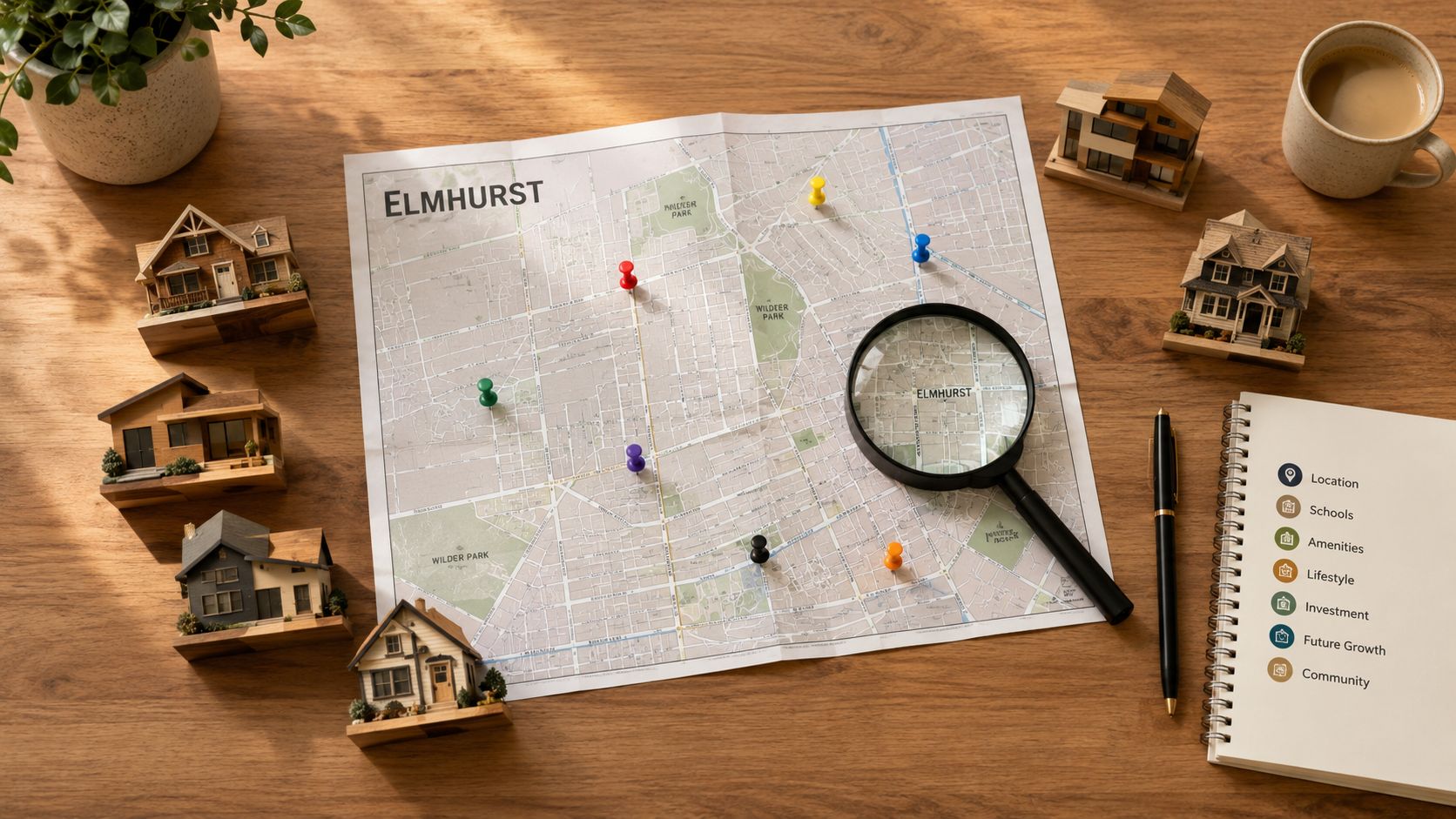
You're probably weighing more than just sticker price right now. Searching Elmhurst real estate for sale means comparing condition, monthly costs, location, commute ease, resale potential, and how much maintenance you want in the next few years. Elmhurst has established neighborhoods, a walkable downtown core, and transit-friendly pockets, so the right listing depends on the decision you're making, not just the address.
The best property is the one whose costs and responsibilities fit your next several years, not the one that looks best on a listing page.
Homes By Carmen can help buyers narrow the field with MLS-powered searches, tour scheduling, offer preparation, inspection coordination, and closing support, which matters in a market where the useful questions often show up after the first showing.
Table of Contents
- 1. Classic Single-Family Homes in Elmhurst's Historic Neighborhoods
- 2. Modern Condominiums and High-Rise Units in Downtown Elmhurst
- 3. Townhouses and Attached Homes in Elmhurst's Family Corridors
- 4. Multi-Family Investment Properties and Duplex Units in Elmhurst
- 5. Luxury and Newly Renovated Homes in Elmhurst's Premium Neighborhoods
- 6. First-Time Buyer-Friendly Starter Homes and Condos Under $300,000
- 7. Estate and As-Is Properties for Cash Buyers and Experienced Investors
- Elmhurst Real Estate: 7-Type Property Comparison
- Turn the Shortlist Into a Confident Offer
1. Classic Single-Family Homes in Elmhurst's Historic Neighborhoods
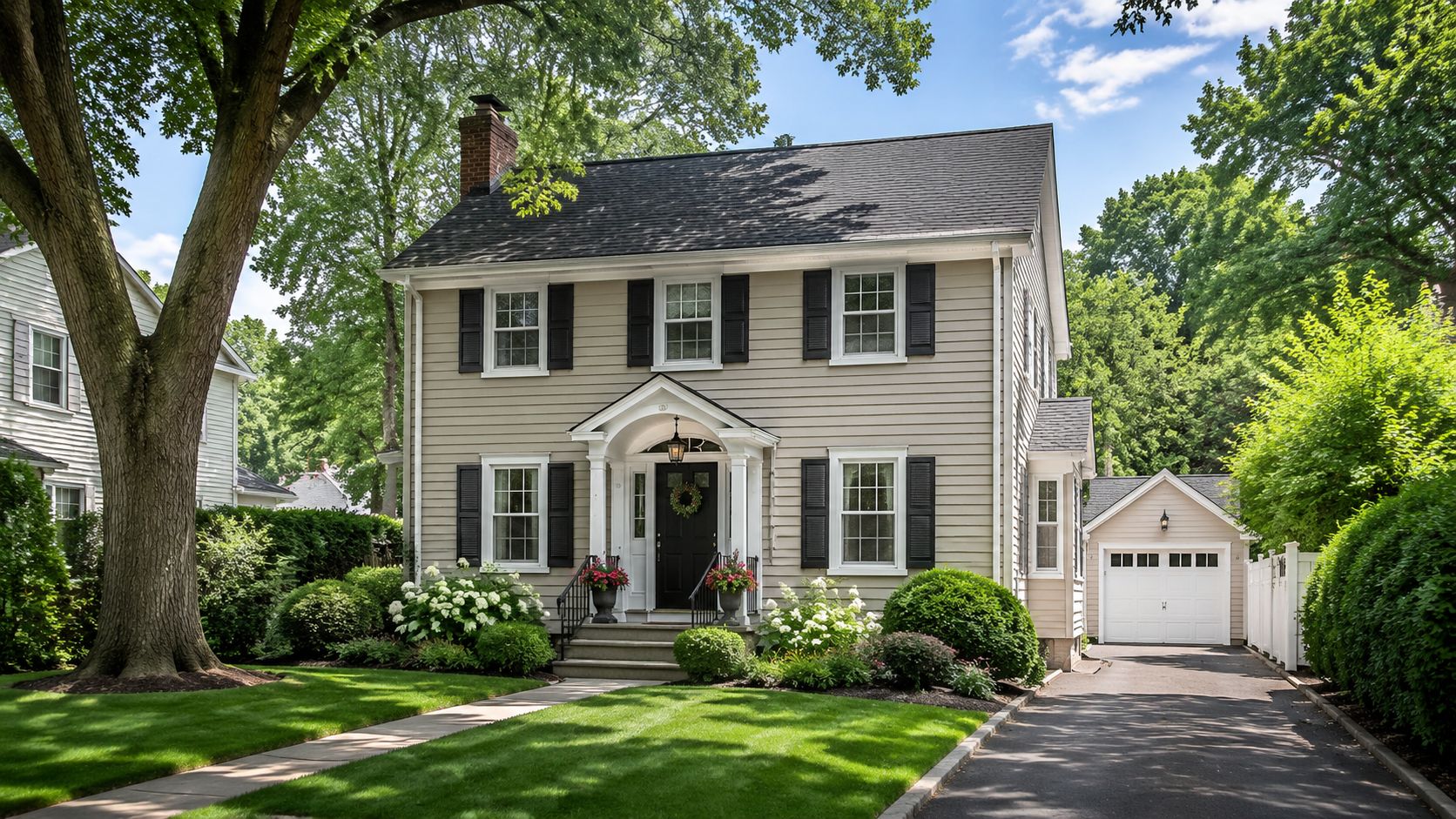
Classic detached homes are the choice for buyers who want space, privacy, and the kind of ownership that still feels familiar to most suburban households. In Elmhurst, those older single-family homes often carry the strongest neighborhood character, especially when you want established trees, mature blocks, and a setting that rewards long-term ownership. If you're moving with children or planning to stay put for years, these homes often make the most sense when school access, yard use, and future resale matter more than low maintenance.
The trade-off is simple. Older homes can deliver charm and better lot size, but they also bring deferred maintenance risk, so a professional inspection is not optional. Ask for seller disclosures on roof age, foundation condition, and recent repairs, then compare similar sales from the past few months before you decide whether the asking price fits the condition. A practical ownership plan also matters, including reserves for upkeep and targeted efficiency work like HVAC, insulation, and windows.
Moving into Elmhurst and comparing neighborhood fit, commute, and daily life?
Practical rule: If the home needs work you can't see during the tour, treat the inspection as part of the purchase price, not an afterthought.
What to verify before you write an offer
- Hidden maintenance: Look beyond finishes and confirm whether the basics have been kept current.
- Comparable sales: Use recent nearby sales to test whether the asking price matches the home's condition.
- Energy costs: Older homes often benefit from practical upgrades that lower long-run utility pressure.
- Exit strategy: Buy with resale in mind, especially if you may move again in a few years.
A buyer who wants a stable neighborhood footprint and is willing to manage a house over time usually finds this category compelling. It's less appealing if you want turnkey simplicity.
2. Modern Condominiums and High-Rise Units in Downtown Elmhurst
Downtown condos and updated loft-style units are best for buyers who want a smaller footprint and low-maintenance living without giving up access to restaurants, services, and daily convenience. These units often suit professionals, downsizers, and empty nesters who would rather trade yard work for walkability and simpler upkeep. In practice, that can mean less space, but also fewer exterior responsibilities and easier day-to-day ownership.
The decision here is less about bedrooms and more about association health. Review the condo association's reserve study, financial statements, and planned capital projects before you get emotionally attached to a layout. Also confirm whether your lender approves the building, because not every condo development is finance-friendly across all loan programs. Monthly payment math matters too, since mortgage, taxes, insurance, and HOA dues together determine whether the unit fits your budget.
A strong downtown condo can work well for a buyer who values convenience and wants to avoid the larger maintenance swings that come with a detached house. It can also be a smart bridge property for someone who plans to stay in Elmhurst but doesn't need a large yard or extra rooms.
Check the building first, not just the unit. A great kitchen can hide a weak reserve fund.
Financing and association checks that matter
- Reserve strength: Read the association's reserves before treating the purchase as simple.
- Building approval: Confirm your lender will finance the project.
- Special assessments: Ask for estoppel letters so you know whether extra fees are pending.
- True monthly cost: Add HOA dues to your mortgage and tax estimate before comparing options.
This category works best when convenience is the goal and you're comfortable with association rules. It works less well if you want complete control over your property.
3. Townhouses and Attached Homes in Elmhurst's Family Corridors
Townhouses hit a useful middle ground for buyers who want more space than a condo without taking on the full burden of a detached home. They often fit families who need multiple bedrooms, a bit of outdoor space, and a layout that feels practical for everyday routines. If you want a place that can handle kids, guests, or a home office, attached homes can be a better fit than a small apartment-style unit.
The key question is where responsibility stops. Some townhouses sit inside an HOA, some are part of a master association, and some divide maintenance in ways that are easy to misunderstand until there's a repair bill. Shared walls also deserve attention, because sound transfer and mechanical penetrations can affect comfort more than buyers expect. Insurance quotes are worth getting early too, since attached units can carry different policy costs than detached homes.
Townhomes make the most sense when you want a manageable property with enough flexibility to live in for several stages of life. They can also work for buyers who want to stay in Elmhurst but don't want to buy a full yard to maintain.
Practical checks for attached ownership
- Association structure: Confirm exactly what the HOA covers and what it doesn't.
- Shared systems: Ask who pays for roof work, siding, and major exterior repairs.
- Noise control: Inspect shared walls and utility areas for soundproofing quality.
- Future use: Review rental restrictions if there's any chance you may lease later.
Nearby neighborhood amenities can shape how well a townhouse fits daily life and long-term value.
A townhouse can be the right answer for a buyer who wants balance. It's not the right answer if you want total autonomy or the lowest possible monthly complexity.
4. Multi-Family Investment Properties and Duplex Units in Elmhurst
Multi-family properties are for buyers who think like owners and operators, not just occupants. These homes can create a path to wealth through rental income, owner-occupancy, and eventual portfolio growth, especially if you want to live in one unit and rent the others. They also appeal to buyers who understand that the purchase decision should include tenant quality, turnover, and operating discipline.
Due diligence becomes more serious. Ask for rent rolls, tenant leases, and expense records before you move forward, then run your numbers conservatively. Vacancy, maintenance, and capital reserves can't be ignored, because rental properties need ongoing management even when the building is occupied. Separate accounting and liability coverage should be part of the ownership plan from the start.
The strongest buyers in this category usually have a clear reason for purchasing. Some want a live-in strategy that lowers their housing cost, while others want a hands-on investment they can improve over time. If passive ownership is the goal, professional management can make more sense than trying to handle everything yourself.
The best multi-family purchase is the one that still works when one unit turns over and another needs repair.
What experienced buyers should review
- Income history: Check leases and rent rolls, not seller promises.
- Expense realism: Model repairs and vacancy before assuming cash flow.
- Tenant screening: Background and credit checks reduce avoidable problems.
- Management plan: Decide early whether you'll self-manage or hire help.
Multi-family ownership is not for every buyer, but it can be one of the more strategic ways to enter or expand in Elmhurst. The upside comes from discipline, not optimism.
5. Luxury and Newly Renovated Homes in Elmhurst's Premium Neighborhoods
Luxury and newly renovated homes suit buyers who want to pay for time, convenience, and finish quality. These properties appeal to relocating professionals, executives, and move-up buyers who want modern kitchens, updated baths, smart-home features, and a cleaner path from closing to move-in. In many cases, the value is not just in the style, but in how much renovation work the seller already absorbed.
That said, premium finishes don't automatically justify the asking price. A certified appraisal helps test whether the upgrades support the number on the page, and documented invoices matter because quality varies widely across remodels. Verify contractor licensing, ask about warranties, and look at whether the updates are cosmetic or structural. A polished kitchen can be easy to market, but major systems and workmanship are what keep a premium home from becoming an expensive surprise.
High-end buyers usually care about presentation and location together. That means staging, photography, and neighborhood context all matter, but so does long-term livability. If a home looks finished but feels cramped, awkward, or overcustomized, the premium may be harder to defend.
Questions that protect premium buyers
- Upgrade proof: Ask for invoices, contractor names, and material details.
- System quality: Verify mechanicals, not just surfaces.
- Price discipline: Don't assume every renovation increases value equally.
- Lifestyle fit: Make sure the layout supports how you live.
Luxury purchasing works best when the home's finishes, location, and execution line up. It works poorly when cosmetic appeal is carrying too much of the price.
6. First-Time Buyer-Friendly Starter Homes and Condos Under $300,000
Starter properties under $300,000 are usually the starting point for buyers who care about affordability, financing access, and a manageable first step into ownership. In Elmhurst, this category often means condos, smaller attached homes, or entry-level houses that may need some updating. For a first purchase, the right answer is often the one that keeps you stable long enough to build equity instead of stretching for more house than you can comfortably carry.
This decision should start with lender pre-qualification, not browsing. Know your price ceiling before you tour, then compare programs that may help with down payment or closing costs. Buyers using FHA financing or other first-time programs should also budget for inspection findings, earnest money, and closing costs. If you're trying to preserve flexibility, seller credits for repairs can be smarter than pushing for a lower purchase price, because credits can help with appraised value and out-of-pocket strain.
A first home doesn't need to be perfect. It needs to be livable, financeable, and located in a place where you can hold it long enough for ownership to work.
Buy for the next five to seven years if you can. That gives the purchase time to absorb closing costs and start building real equity.
What first-time buyers should focus on
- Monthly comfort: Don't let the payment crowd out savings.
- Location quality: Prioritize transit, neighborhood stability, and daily convenience.
- Inspection use: Use the inspection to spot repairs before closing.
- Holding period: Short ownership windows make transaction costs harder to recover.
For many buyers, this is the most practical way to enter Elmhurst. It may not feel glamorous, but it can be the most sustainable path.
7. Estate and As-Is Properties for Cash Buyers and Experienced Investors
Estate and as-is homes are best for buyers who know how to manage uncertainty. These properties may come with deferred maintenance, incomplete documentation, or timelines shaped by probate, relocation, or seller urgency. The upside is usually pricing flexibility, but the trade-off is that you're buying complexity along with the structure.
This category demands hard numbers and disciplined inspections. Bring in licensed contractors before you make the offer if possible, and budget a real contingency for hidden work. Title issues, liens, and back taxes should be reviewed early so the true acquisition cost doesn't surprise you at closing. If you're taking on a project this way, you need a clean scope of work, realistic timing, and enough cash to handle unknowns without freezing the deal.
These properties can work well for contractors, investors, and buyers who are comfortable with renovation risk. They usually do not work well for someone who wants a quick move-in and predictable monthly costs.
Why experienced buyers like this segment
- Price flexibility: Motivated sellers can create room for value.
- Renovation control: Buyers can shape the final product.
- Potential upside: Well-managed projects can create equity through work.
- Negotiation room: As-is sales often leave more room to structure terms.
The opportunity is real, but so is the risk. If you can't absorb delays, repairs, and unexpected costs, this segment can become expensive fast.
Elmhurst Real Estate: 7-Type Property Comparison
| Property Type | Acquisition & Implementation Complexity | Resource Requirements | Expected Outcomes | Ideal Use Cases | Key Advantages |
|---|---|---|---|---|---|
| Classic Single-Family Homes in Elmhurst's Historic Neighborhoods | Moderate, standard purchase, inspections, possible major updates | Down payment 5–20%+, mortgage; maintenance reserves ~1–2%/yr | Stable long-term appreciation; family resale appeal; longer listing times | Families, move-up buyers, long-term owner-occupiers | Privacy, yard space, renovation flexibility, strong equity potential |
| Modern Condominiums and High-Rise Units in Downtown Elmhurst | Low–Moderate, condo docs, HOA review, lender condo approval needed | Lower exterior maintenance; HOA fees $200–$400+/mo; conventional financing if approved | Low-maintenance living; faster transactions; value tied to HOA health | Professionals, empty nesters, downsizers seeking walkability | Shared amenities, predictable upkeep, move-in-ready finishes |
| Townhouses and Attached Homes in Elmhurst's Family Corridors | Moderate, standard purchase plus shared-wall considerations and possible HOA | Moderate down payment; lower yard work; possible HOA or shared maintenance costs | Balanced appreciation vs. condos; reasonable resale in family markets | First-time buyers wanting more space, young families | More space than condos, lower cost than detached, private entrances/garages |
| Multi-Family Investment Properties and Duplex Units | High, requires rent-rolls, income underwriting, tenant management | Higher down (20–25% for investors; 3.5% FHA for owner-occupant), capital for repairs | Rental income and cash flow; portfolio equity growth; vacancy risk | Investors, owner-operators, portfolio builders | Multiple income streams, tax benefits, owner-occupant financing options |
| Luxury and Newly Renovated Homes in Elmhurst's Premium Neighborhoods | Moderate–High, appraisal sensitivity; targeted marketing; possible jumbo loans | High purchase price; jumbo or specialty financing; lower immediate capital needs for systems | Premium pricing and faster absorption in active markets; niche buyer pool | Affluent executives, relocating professionals, move-up buyers | Turnkey condition, high-end finishes, strong appeal to out-of-area buyers |
| First-Time Buyer-Friendly Starter Homes and Condos Under $300,000 | Low, accessible programs (FHA), standard inspections recommended | Low down payment (3.5–10%), modest maintenance budget, closing costs 2–5% | Builds equity; best with 5–7 year hold; moderate appreciation | First-time buyers, young couples, recent grads | Affordability, program access, entry into ownership with limited capital |
| Estate and As-Is Properties for Cash Buyers and Experienced Investors | High, probate/title complexities, as-is condition, complex due diligence | Cash or hard-money likely; renovation budgets and 20–30% contingency reserves | Potential large upside after rehab; higher risk and longer timelines | Experienced investors, contractors, cash buyers | Discounted acquisition prices, value-add profit potential, less competition |
Turn the Shortlist Into a Confident Offer
The fastest way to move from browsing to buying is to define what problem the property solves. A detached home, condo, townhouse, multi-family building, renovated premium home, starter property, or estate sale each asks something different from your budget, your schedule, and your tolerance for upkeep. Start by separating must-haves from nice-to-haves, then confirm financing, monthly ownership costs, and the holding period you can realistically support.
Elmhurst's market rewards buyers who compare the right comps and stay disciplined about due diligence. Current market trackers show a tight, expensive suburban market with high prices, limited inventory, and mixed pricing behavior across property types, so you need to look at the segment that fits your plan instead of treating every listing the same. For some buyers, that means reviewing association documents. For others, it means reading inspections, leases, title records, or renovation estimates with the same care they'd give the price itself.
A practical search process helps a lot. Build a shortlist through MRED-powered search and map filters, then use targeted tours to separate strong candidates from the listings that only look right online. From there, Homes By Carmen can help with neighborhood guidance, offer strategy, inspection coordination, and closing support so you're not trying to manage every step alone.
The home you buy should make sense as a package, not just as a listing. Evaluate condition, monthly obligations, location, and intended holding period together, then make the offer that fits your life instead of forcing your life to fit the house.
If you're comparing Elmhurst homes, condos, townhouses, or investment properties, Homes By Carmen can help you narrow the search with local guidance and MLS-based tools. Visit Homes By Carmen to start a focused search, request buyer support, and move from browsing elmhurst real estate for sale to touring the properties that fit your plan.