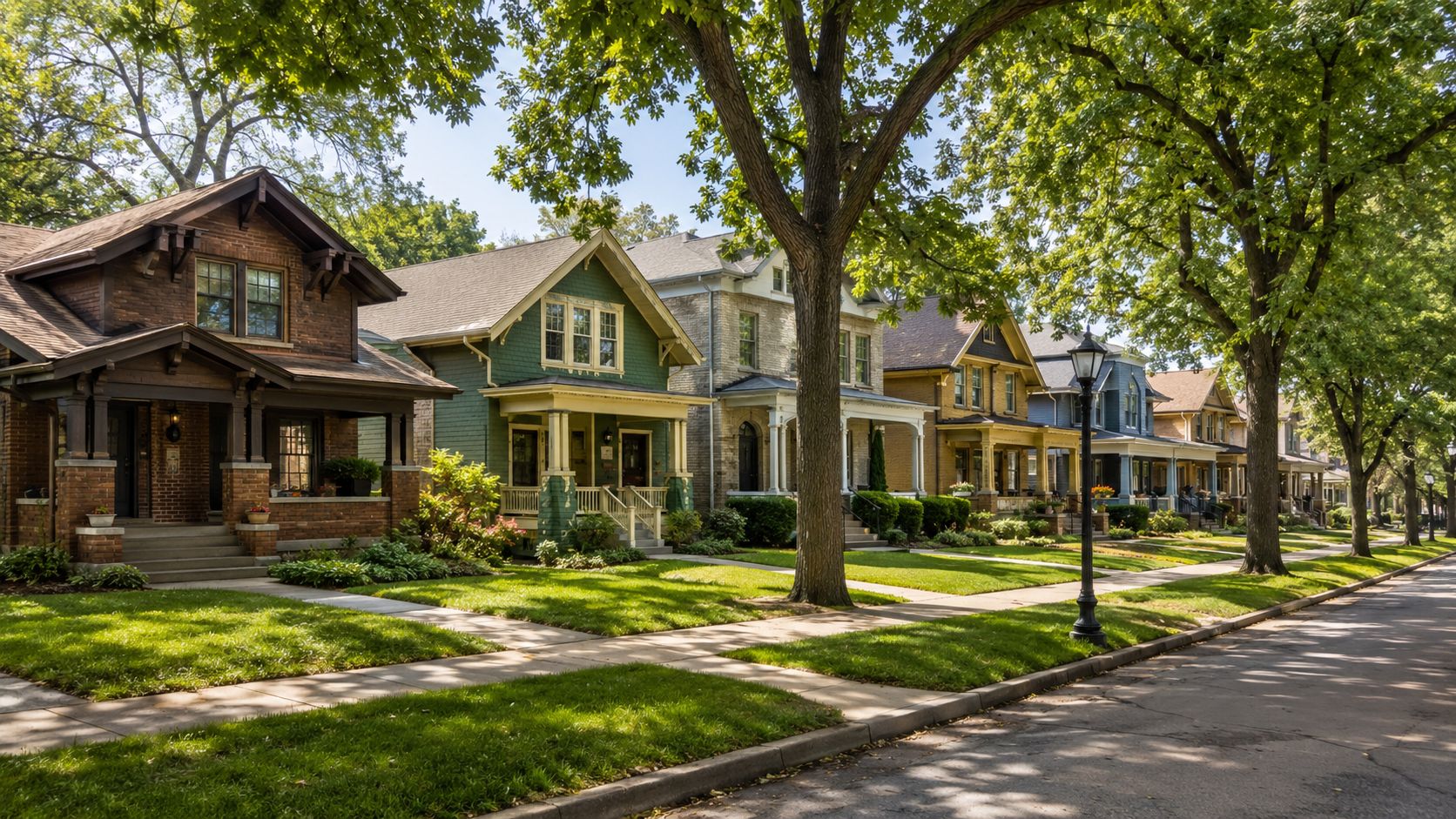
The best Oak Park home isn't automatically the most updated listing or the one with the lowest asking price. A polished renovation can hide weak documentation, while a less fashionable property may offer better long-term flexibility. Buyers and investors should compare architecture, maintenance exposure, ownership structure, neighborhood lifestyle, renovation scope, financing, and income potential before deciding what “value” means.
That matters in a market where one tracker reported a $571,714 median sale price over the three months ending July 2026, up 21.0% year over year, while another index placed the average home value at $489,829, up 10.7% over the prior year. Redfin's Oak Park market data also reported homes going pending in about 9 days, showing why a broad citywide average isn't enough.
This roundup organizes seven types of Oak Park IL homes for sale by property type and buyer strategy. Use the market context, trade-offs, inspection priorities, and ownership checks to decide which listings deserve your time. Homes By Carmen can also help with MRED-powered searches, tours, offer strategy, inspection coordination, and neighborhood guidance.
Table of Contents
- 1. Historic Victorian Homes in Oak Park's Frank Lloyd Wright District
- 2. Updated Colonial and Ranch Homes in Oak Park's South Side Residential Neighborhoods
- 3. Condo and Townhome Conversions in Oak Park's Mixed-Use Neighborhoods
- 4. Move-Up Family Homes With Four or Five Bedrooms
- 5. Investment Properties and Rental Homes in Oak Park
- 6. Estate and Inherited Properties Sold As-Is
- 7. New Construction and Recently Built Homes
- Oak Park, IL Homes, 7-Category Comparison
- Turn Oak Park Listings Into a Shortlist You Can Trust
1. Historic Victorian Homes in Oak Park's Frank Lloyd Wright District
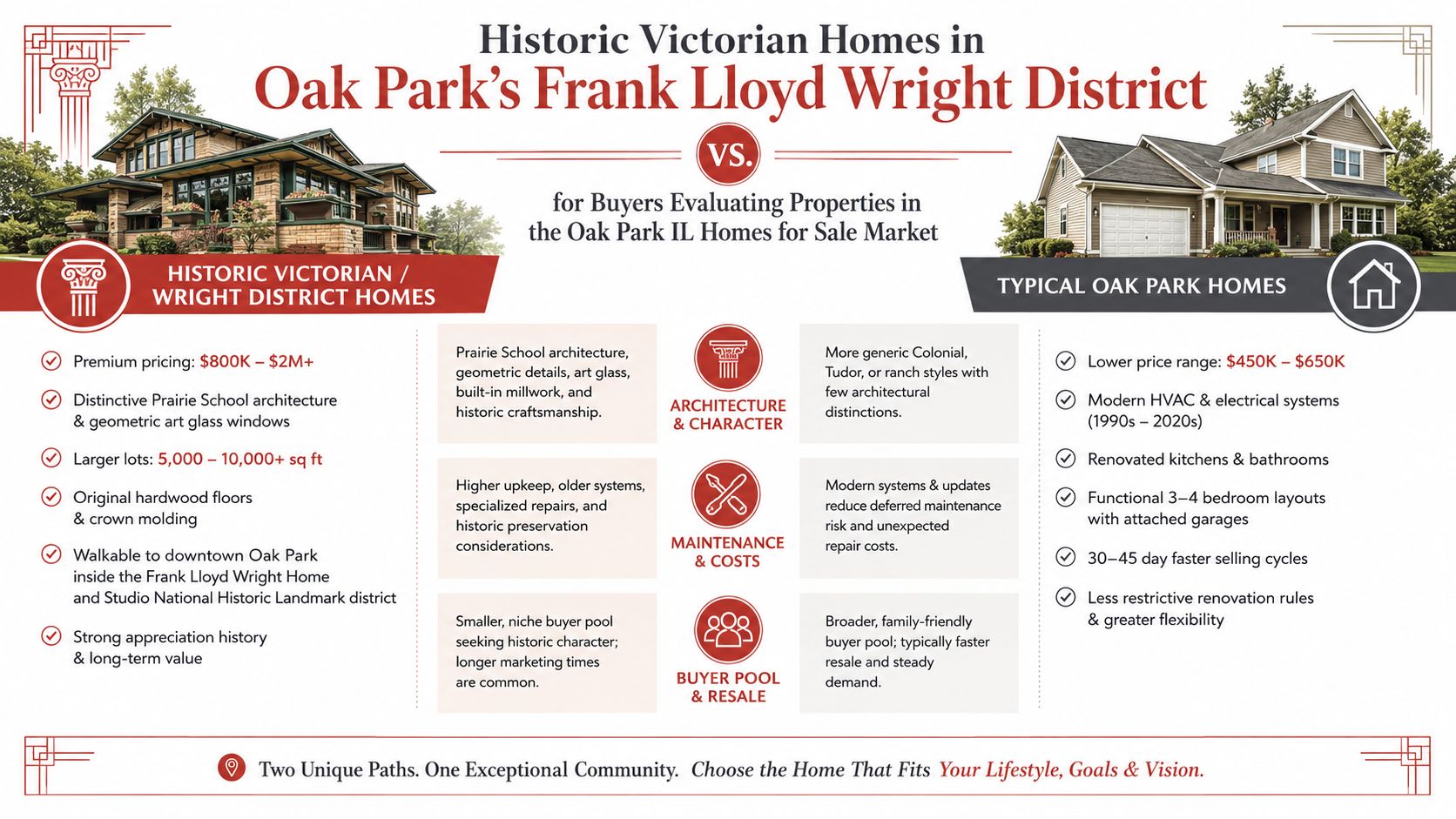
Historic Victorians and early twentieth-century residences offer something newer construction can't replicate, including distinctive proportions, original millwork, mature streetscapes, and architectural importance. Oak Park's nationally recognized historic housing stock helps explain why homes can vary sharply by district, style, condition, and preservation status. Realtor.com's Oak Park market page identifies the Frank Lloyd Wright Historic District as one of the local areas where pricing differs meaningfully from other parts of the village.
These homes suit buyers who value character and intend to own for the long term. They're less suitable for someone who wants predictable maintenance, unrestricted exterior changes, or a renovation that can be completed with standard modern materials.
What to verify before you fall in love
A conventional inspection may identify visible defects, but historic homes deserve deeper review of masonry, foundations, roof drainage, electrical systems, plumbing, windows, insulation, and previous alterations. Ask whether contractors have worked on comparable homes and whether replacement materials will preserve the building's design.
Practical rule: Treat architectural character as an ownership responsibility, not just a selling feature.
Before making an offer, review local preservation requirements and any applicable architectural review process. Confirm which projects require approval, particularly exterior window changes, additions, porch work, masonry repairs, and visible mechanical upgrades. Energy improvements can still make sense, but the best approach usually protects original details while improving insulation, heating, cooling, and air sealing.
A historic property can be an excellent lifestyle purchase and a durable long-term asset, but it isn't automatically a bargain. The right buyer has both an appreciation for the design and a realistic reserve for ongoing care.
2. Updated Colonial and Ranch Homes in Oak Park's South Side Residential Neighborhoods
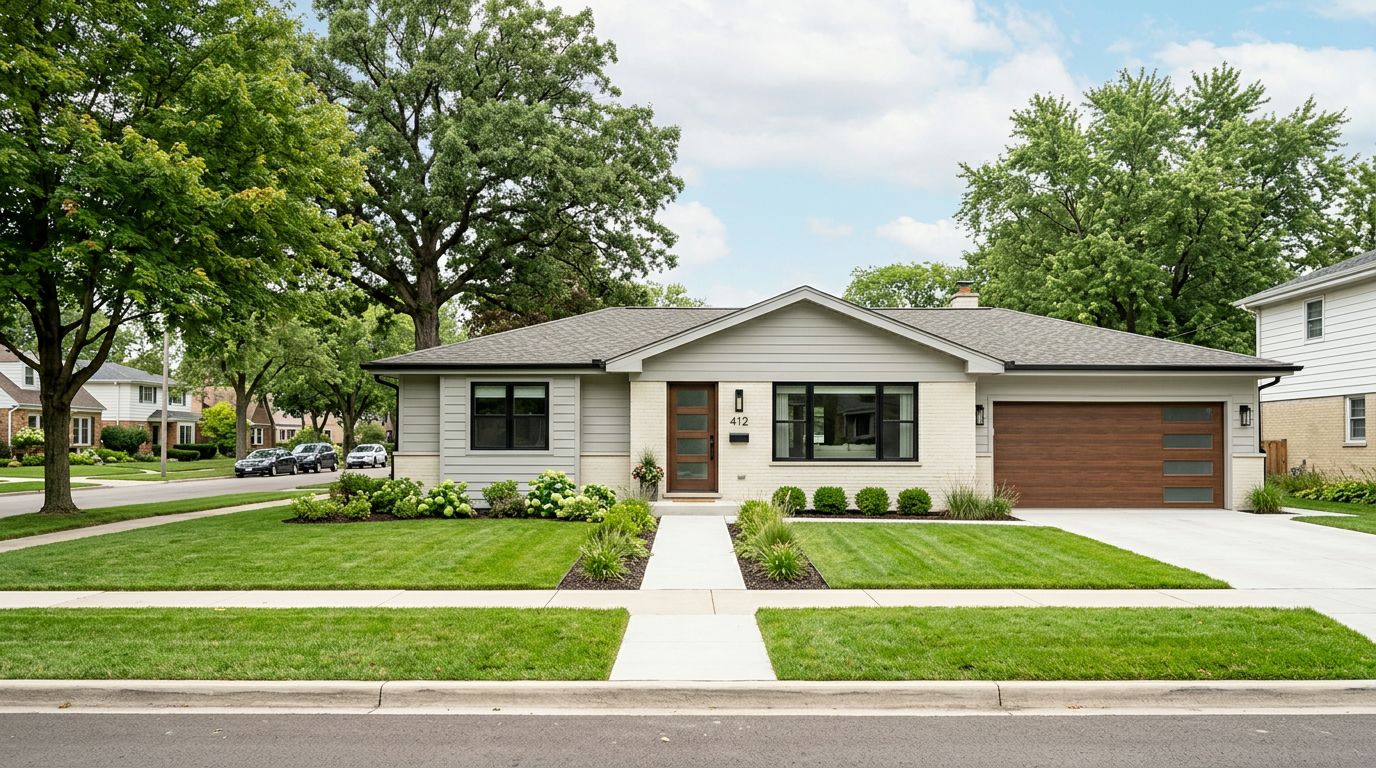
Updated Colonial and ranch homes can offer a more controlled balance between livability and maintenance. These properties often provide familiar layouts, practical bedrooms, attached or nearby parking, and lots that work well for families, pets, or outdoor use. They may not carry the same architectural distinction as a landmark residence, but that can be an advantage for buyers focused on daily function.
A buyer should still separate an updated home from one with a new kitchen layered over aging infrastructure. A renovated bathroom doesn't tell you whether the roof, windows, siding, electrical panel, sewer line, or heating and cooling equipment have been addressed.
Focus on the systems behind the finishes
Request invoices, permits, warranties, and contractor information for major work. During inspection, ask specifically about the remaining useful life of older components and whether any improvements were completed without required approvals.
- Roof and drainage: Confirm installation history, flashing quality, gutters, downspouts, and basement moisture conditions.
- Heating and cooling: Verify equipment age, service records, efficiency, and whether the system can handle the finished living area.
- Windows and exterior materials: Look for failed seals, peeling coatings, water intrusion, and maintenance-heavy siding or decks.
- Cosmetic work: Distinguish improvements that reduce future expense from finishes that mainly reflect the seller's taste.
A buyer can use the condition report to negotiate more intelligently. It may be better to accept a dated countertop with a sound roof than to pay a premium for attractive finishes while inheriting expensive deferred maintenance. Sellers, meanwhile, should document completed work and price against nearby comparable properties with similar system condition, not just similar bedroom counts.
3. Condo and Townhome Conversions in Oak Park's Mixed-Use Neighborhoods
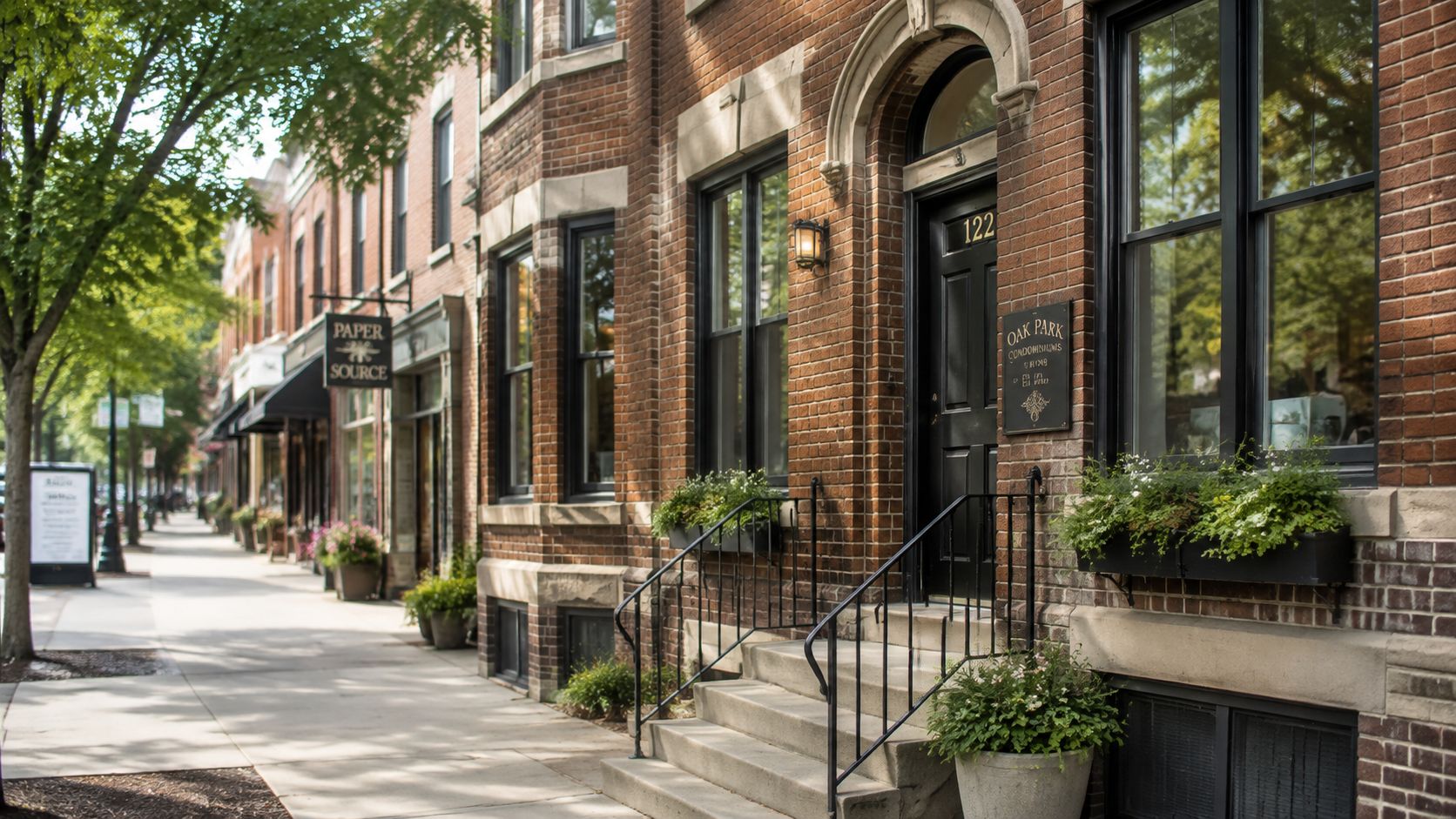
Condo conversions and townhomes can give buyers access to Oak Park's walkable, mixed-use setting without the exterior maintenance burden of a detached home. A converted historic building may offer tall ceilings, generous windows, original architectural details, and proximity to shops or transit. A newer townhome may provide more predictable systems, private entrances, and a layout that feels closer to a single-family residence.
The trade-off is shared ownership. The buyer controls the interior unit, but the association controls or influences roofs, façades, common plumbing, landscaping, insurance, and capital projects. A low monthly assessment can be appealing, but it doesn't prove that the building is financially healthy.
Read the association documents before reviewing the finishes
Request the declaration, bylaws, rules, current budget, reserve information, meeting minutes, insurance details, and records of special assessments. Ask whether the association expects major work and whether owners have faced disputes over water intrusion, masonry, parking, pets, or rentals.
A condo's purchase price is only one part of the affordability test. Add assessments, property taxes, insurance, utilities, parking costs, and likely future assessments before comparing it with a detached home.
Lenders may also evaluate the association, not only the borrower. Reserve adequacy, insurance coverage, litigation, commercial space, rental concentration, and building condition can affect financing approval. Buyers planning to rent the unit should verify rental caps, minimum lease terms, move-in rules, and any restrictions before making an offer.
For investors, the numbers must work after association costs and vacancy assumptions. For first-time buyers and downsizers, the strongest candidate may be the unit in the healthiest building, even if another listing has a more impressive kitchen.
4. Move-Up Family Homes With Four or Five Bedrooms
Move-up homes appeal to households that need space for children, guests, work, storage, or hobbies without accepting the maintenance profile of a large historic residence. A well-kept Colonial, Tudor-style property, or expanded family home can create room for changing needs while keeping the ownership plan relatively straightforward.
The mistake is to value every extra room equally. A finished basement with poor egress, low ceilings, moisture concerns, or unpermitted work may contribute less value than its square footage suggests. Likewise, a fifth bedroom that functions as a narrow office may not justify the same premium as a legal, well-proportioned bedroom with useful storage.
Market the function, not just the bedroom count
Sellers should make each area easy to understand. Stage a basement as a recreation room, office, or guest zone rather than leaving it as miscellaneous storage. Show how the main bedroom, kitchen, mudroom, garage, yard, and work areas support everyday routines.
A strong exterior presentation also helps buyers understand the property before they step inside. The curb appeal guide from Homes By Carmen offers practical ideas for improving first impressions without treating every project as a major renovation.
Buyers should request a clear update history and compare the home with properties that have similar roofs, mechanical systems, kitchen quality, basement finish, and lot characteristics. In a competitive segment, an attractive presentation can create urgency, but it shouldn't replace a careful review of permits, disclosures, inspection findings, and future maintenance.
This category often works best for buyers with a defined five-year lifestyle plan. If the household may outgrow the property quickly, paying for more rooms today may not solve the next space problem. If the layout can adapt from nursery to office to guest room, the added space becomes more valuable.
5. Investment Properties and Rental Homes in Oak Park
Rental properties require a different decision lens from owner-occupied homes. A charming façade or convenient location matters, but the investment case depends on achievable rent, operating expenses, vacancy, repairs, insurance, taxes, licensing, management, and financing. An investor who evaluates only gross rent can mistake revenue for profit.
Potential acquisitions include single-family homes, two-flats, converted buildings, and other properties with separate living areas. Each structure carries a different management profile. A single-family rental may be simpler to operate, while a multi-unit property can diversify income but introduce more systems, tenants, and compliance responsibilities.
Build the operating model before writing the offer
Use documented local rent evidence, not optimistic assumptions from an asking-rent advertisement. Separate recurring costs from one-time improvements and include a realistic reserve for roofs, plumbing, heating and cooling, appliances, turnover, and exterior maintenance.
- Rental legality: Confirm licensing, inspections, occupancy rules, and required registrations with the appropriate local authorities.
- Physical layout: Verify that bedrooms, kitchens, entrances, and sleeping areas comply with applicable requirements.
- Title and use: Review restrictions, easements, zoning, condominium rules, and any limitations on leasing or occupancy.
- Management plan: Compare self-management with professional management before calculating expected cash flow.
- Exit strategy: Consider whether the property could appeal to an owner-occupant, another investor, or a future redevelopment buyer.
The Chicago housing market trends resource from Homes By Carmen can provide broader context, but an Oak Park investment still needs property-specific underwriting. Appreciation may support the long-term plan, yet cash flow must survive ordinary ownership costs.
A good rental acquisition is not necessarily the property with the highest projected rent. It's the one whose legal use, condition, tenant profile, management demands, and financing structure remain workable when assumptions become less favorable.
6. Estate and Inherited Properties Sold As-Is
Estate and inherited properties can attract buyers who are comfortable solving problems. Some are clean, well-maintained homes that need only preparation and coordinated decision-making. Others contain decades of deferred maintenance, outdated systems, stored belongings, unclear records, or repairs that the estate cannot or will not complete.
“As-is” changes the negotiation. It doesn't eliminate the buyer's right to inspect, but it can limit the seller's willingness to make repairs or provide credits. The buyer must understand both the visible work and the risks that may remain hidden behind walls, under floors, or in mechanical spaces.
Protect the offer with information
Ask for available tax records, prior inspections, appraisals, permits, utility history, repair invoices, and disclosures. Confirm who has authority to sign, whether court approval is involved, and whether the estate's timeline allows for ordinary inspection, financing, and closing contingencies.
An as-is purchase only makes sense when the buyer has enough information, liquidity, and time to manage uncertainty.
Financing deserves special attention. Some lenders may require repairs, escrow arrangements, or additional documentation before funding a property with serious condition issues. Buyers should discuss the property with their lender before making an offer, especially if the home has safety concerns, substantial water damage, nonfunctional systems, or unpermitted alterations.
The total acquisition cost includes more than the contract price. Include immediate stabilization, design and permit work, contractor availability, temporary housing, insurance, financing costs, and closing expenses. Homes By Carmen's guide to Illinois closing costs for buyers can help buyers identify transaction expenses that belong in the initial budget.
For renovators, the opportunity lies in buying a sound structure at a price that leaves room for the work. For ordinary owner-occupants, a move-in-ready alternative may produce less stress even if its list price is higher.
7. New Construction and Recently Built Homes
New construction, modern infill, and thoroughly renovated historic homes serve buyers who prioritize contemporary layouts, newer systems, energy performance, and reduced near-term maintenance. These properties can combine an exterior that fits Oak Park's established character with interiors designed around current expectations, including open kitchens, dedicated work areas, improved storage, and modern mechanical equipment.
The premium deserves careful examination. Buyers aren't paying only for cabinets and fixtures. They're also paying for design coordination, permits, labor, site constraints, code compliance, and the seller's market positioning. A high-end finish package can be valuable, but it may not return its full cost if the layout, lot, parking, or location doesn't match the buyer pool.
Verify what “fully renovated” actually means
Request the scope of work, permit history, inspection records, contractor details, warranties, and certificates of completion where applicable. Ask whether the renovation included service upgrades, insulation, drainage, structural work, windows, sewer work, and replacement of concealed components.
A specialized inspection remains useful even when the property looks new. Inspectors can evaluate workmanship, grading, flashing, attic ventilation, basement moisture, window installation, mechanical access, and whether the completed work matches the documentation.
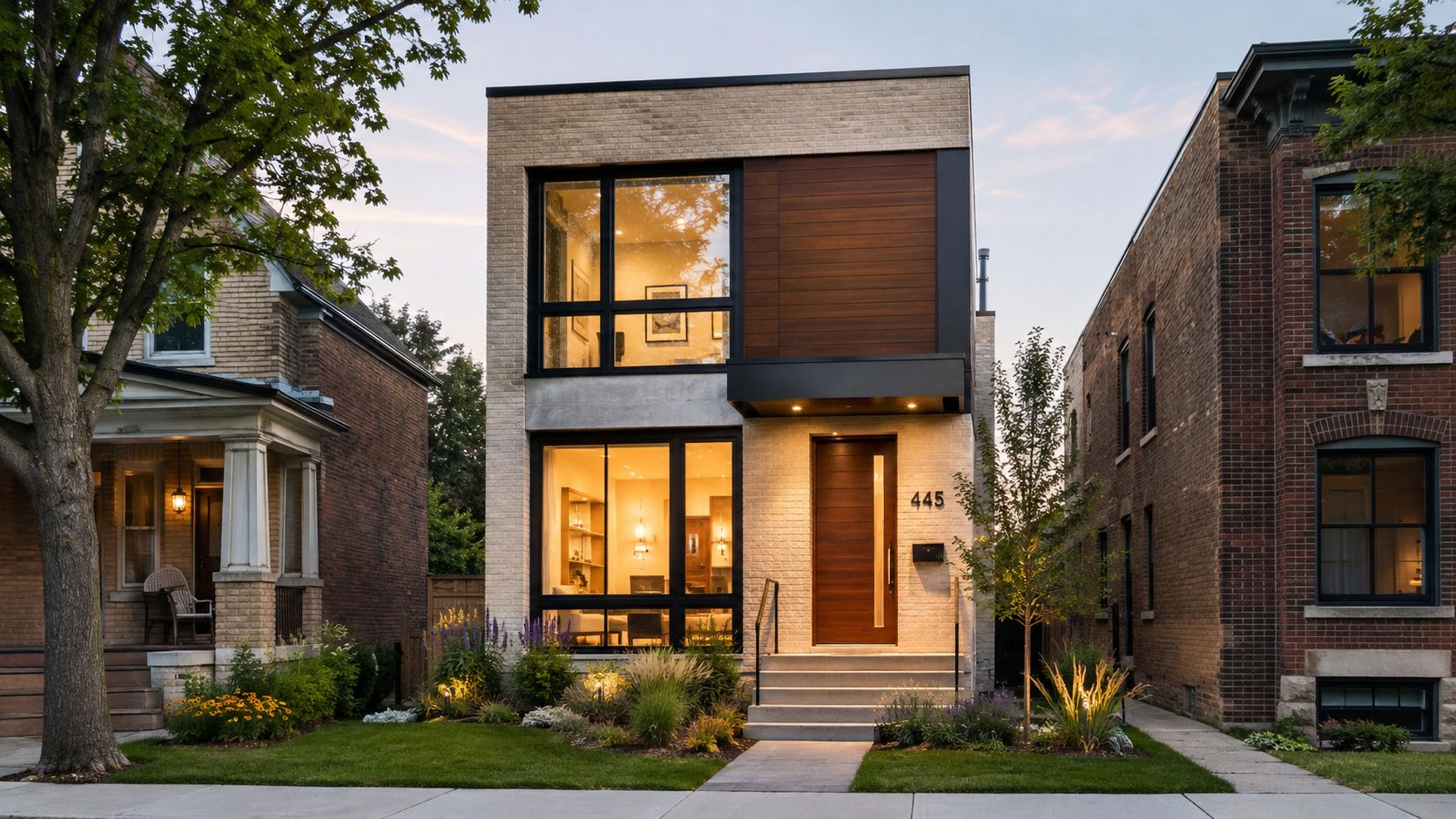
A recently renovated historic home can offer an appealing compromise, but buyers should still determine which original elements remain and which were replaced. New construction may reduce maintenance uncertainty, while a preservation-minded renovation may deliver stronger architectural fit. Neither option is automatically superior.
The best choice depends on whether the buyer values customization, character, operating predictability, resale appeal, or a shorter list of immediate projects. Review the documentation before allowing the finished appearance to decide the purchase.
Oak Park, IL Homes, 7-Category Comparison
| Property Type | Renovation / Maintenance Complexity | Resource Requirements (cost & time) | Expected Outcomes (value & lifestyle) | Ideal Use Cases | Key Advantages |
|---|---|---|---|---|---|
| Historic Victorian Homes (Frank Lloyd Wright District) | High, specialized repairs, older systems, strict review boards | High purchase price ($800K–$2M+); budget 1.5–2% of price annually for upkeep; longer project timelines | Strong appreciation potential, distinctive character, longer sell timelines, prestige location | Move-up buyers, history-focused purchasers, empty-nesters | Architectural significance, prime location, transit access, established community |
| Updated Colonial & Ranch Homes (South Oak Park) | Moderate, many systems updated, some cosmetic/aging elements remain | Moderate cost ($450K–$650K); occasional $15K–$40K upgrades; quicker turnarounds | Stable value, family-oriented functionality, faster selling (30–45 days) | First-time buyers, young families, investors seeking rentals | Affordability, move-in ready, lower maintenance risk, flexible renovation rules |
| Condo & Townhome Conversions (Mixed-Use Corridors) | Low for unit owners; shared-system risks at building level | Lower purchase price ($300K–$550K); HOA fees $150–$400/mo; minimal exterior upkeep | Predictable monthly costs, urban walkable lifestyle, resale sensitive to HOA health | Empty-nesters, professionals, first-time buyers, downsizers | Lowest barrier to entry, low exterior maintenance, walkability, shared amenities |
| Move-Up Family Homes (4–5 Bedroom) | Moderate, updated systems common but larger footprint increases upkeep | Mid–high cost ($550K–$750K); higher utilities/maintenance; staging/marketing costs | Strong owner-occupant demand, school appeal, consistent long-term value | Growing families, remote workers, move-up buyers | Spacious layouts, top schools, large yards, steady demand |
| Investment Properties & Rental Homes | Variable, may need conversions, ongoing landlord responsibilities | Entry $350K–$600K; property management fees (8–12%) or self-manage; reserves required | 4–6% gross yield possible, cash flow plus appreciation, regulatory compliance needs | Investors, portfolio builders, buy-and-hold landlords | Cash flow potential, tax benefits, strong tenant demand |
| Estate & Inherited Properties (As-Is / Probate) | High, deferred maintenance, unknown repairs, probate timing issues | Lower purchase price (often 5–15% below market); budget 10–15%+ for repairs; flexible closing timeline | Value-add opportunity with high ROI potential after renovation; longer sale process | Renovators, investors, buyers seeking discounted entry | Below-market pricing, negotiation leverage, flexible seller timelines |
| New Construction & Recently Built Homes (Infill / Renovations) | Low, turnkey modern systems but quality depends on builder | Premium pricing ($650K–$950K+); verify permits/warranties; shorter initial maintenance needs | Lower near-term maintenance, energy savings, strong demand, faster appreciation (5–8%) | Move-up buyers, empty-nesters, buyers prioritizing modern features | Turnkey condition, energy efficiency, modern layouts, reduced immediate risk |
Turn Oak Park Listings Into a Shortlist You Can Trust
A useful Oak Park shortlist starts with strategy, not browsing volume. Decide whether you're seeking a historic residence, a practical family home, a lower-maintenance condo, a move-up property, a rental acquisition, an as-is opportunity, or a modern renovation. Each category requires different assumptions about inspections, financing, repairs, association documents, management, and resale.
Market conditions also favor property-specific analysis. Zillow's Oak Park market snapshot reported pending homes in about 9 days, a median sale-to-list ratio of 1.034, and 61.8% of sales closing over asking during its stated data window. The same source reported a different three-month median sale figure and holding period than other local snapshots, while Oak Park market reporting showed inventory at 0.8 months of supply. Those differences aren't a problem to ignore. They're a reason to benchmark the specific property type, condition, and neighborhood instead of relying on one headline.
Use a disciplined sequence:
- Define the strategy: Clarify intended use, timeline, monthly comfort, renovation tolerance, and exit plan.
- Verify the property: Review permits, disclosures, warranties, association records, title information, and update documentation.
- Test the value: Compare similar sales with similar condition, layout, lot, parking, and architectural characteristics.
- Underwrite the costs: Include taxes, insurance, maintenance, assessments, utilities, financing, vacancy, and renovation contingencies.
- Schedule the right inspection: Match the inspection scope to the property, whether that means historic masonry, a shared building, an estate sale, or custom renovation.
- Prepare the offer: Decide in advance how you'll handle credits, inspection objections, appraisal risk, financing deadlines, and competing interest.
The most useful answer to “what are the best Oak Park IL homes for sale?” is personal. A historic Victorian may be ideal for one household and a costly mismatch for another. A condo may provide the right lifestyle, while an investor needs a building with flexible leasing and stronger operating fundamentals. A recently renovated home may save time, but only if the paperwork supports the claimed work.
When the search becomes specific, local guidance can reduce expensive guesswork. Homes By Carmen can help buyers and investors use MLS-powered filters, compare neighborhoods, evaluate pricing, coordinate tours and inspections, structure offers, and manage the transaction through closing.
Homes By Carmen offers MRED-powered searches, neighborhood guidance, valuation analysis, tour scheduling, offer negotiation, inspection coordination, and closing support for Oak Park buyers, sellers, and investors. Visit Homes By Carmen to start narrowing current listings by property type, condition, budget, and intended use.