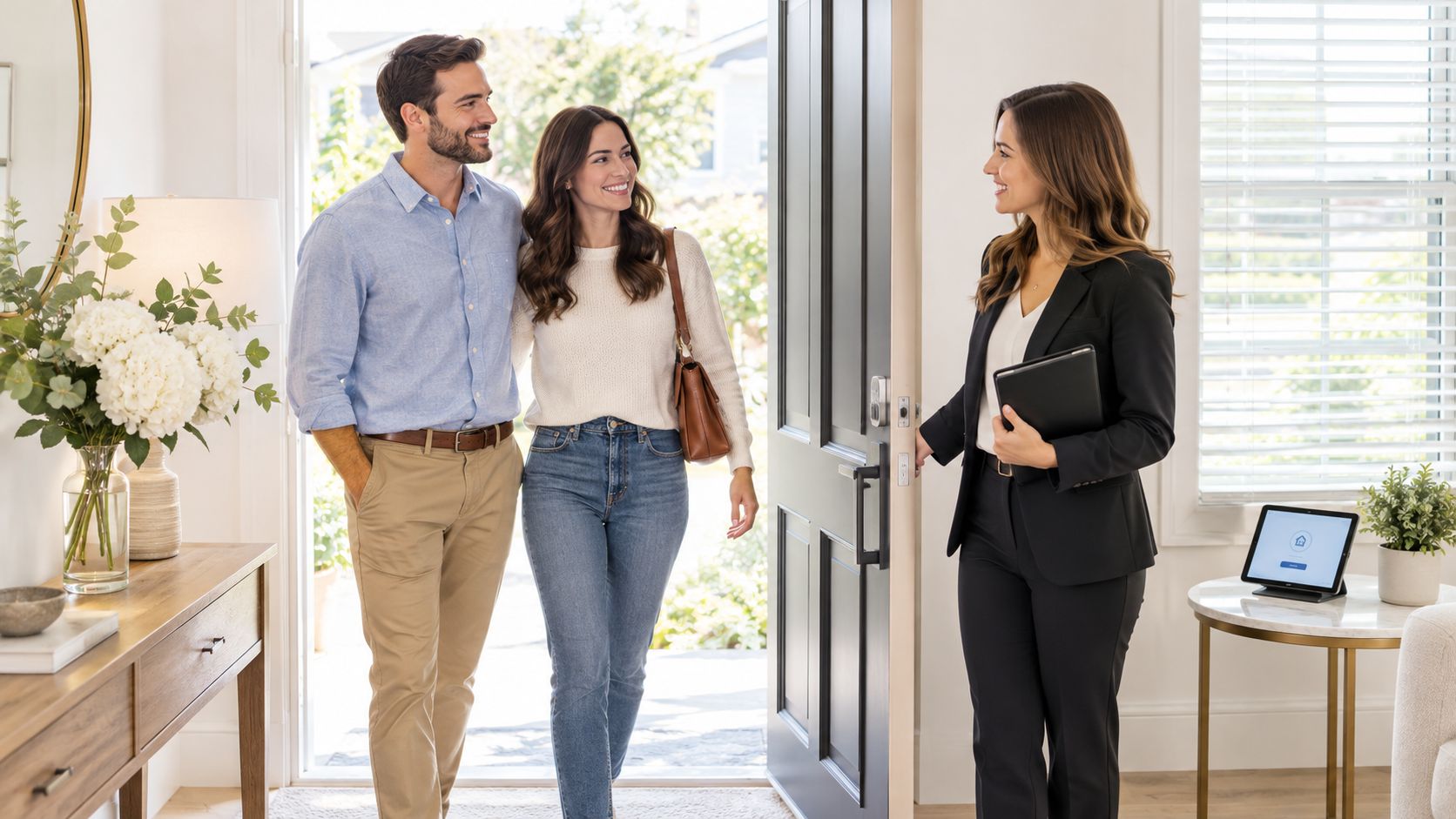
You've got the house cleaned, the entryway looking sharp, and an open house on the calendar. Sunday arrives, cars line the street outside your Elmhurst colonial, and visitors drift through the living room while the host agent greets them at the door. It feels busy, so it's tempting to assume the event is working.
But foot traffic alone can't tell you whether a serious buyer has found a contender, whether visitors are comparing your home with others, or whether anyone will ask for a second look. Sellers want an offer. Agents want useful conversations. Buyers want an honest feel for the property. A good open house gives each of them something, but attendance isn't the same as a result.
A smarter way to judge open house showings is as a funnel: discovery, evaluation, qualified follow-up, and possibly an offer. The practical question isn't just how many people came through. It's whether the event served your selling goals, helped buyers make a better decision, and protected everyone's privacy along the way.
Table of Contents
- The Saturday Morning Most Sellers Misunderstand
- What an Open House Showing Actually Does
- How Agents Schedule and Run a Chicagoland Open House
- Staging and Preparation Tips for Sellers in the Suburbs
- A Safety and Privacy Protocol That Actually Holds Up
- What Buyers Should Actually Do at an Open House
- Measuring Results Beyond the Same-Day Offer
The Saturday Morning Most Sellers Misunderstand
By early afternoon, the host has welcomed a stream of visitors into that Elmhurst colonial. A neighbor pops in. A couple spends a few minutes in the kitchen. Someone asks about the yard, then leaves without signing in. A buyer who has been touring nearby homes takes a careful look at the basement and asks whether the sellers have received offers.
Those visitors aren't interchangeable. One may be curious about the block. Another may be comparing the layout with a house in Downers Grove. The basement question may come from someone ready to take a closer look, or it may just be part of a careful buyer's checklist. The number of people through the door doesn't reveal which of those conversations matters most.
Sellers often misread the day. A busy room can feel like a win, but it doesn't prove the home is priced well, that visitors are qualified, or that an offer is coming. A quiet event can still produce a useful private-showing request or feedback that points to a problem with the presentation.
Judge the event by what it teaches you and who it brings back, not by the crowd at the door.
The parties involved have different reasons for being there. You want a buyer who sees value in the home and is prepared to act. The host agent wants to understand visitors' needs and follow up appropriately. Buyers want time to compare condition, room flow, location, and asking price with other homes they've seen.
That's why an open house is better understood as one part of a marketing and search strategy, not a closing-day miracle. In this guide, you'll get a clearer way to set expectations, understand how agents schedule and run open house showings, prepare a western Chicagoland home, and protect both sellers and visitors. You'll also see what buyers should look for and how to measure a successful event when no offer arrives that afternoon.
What an Open House Showing Actually Does
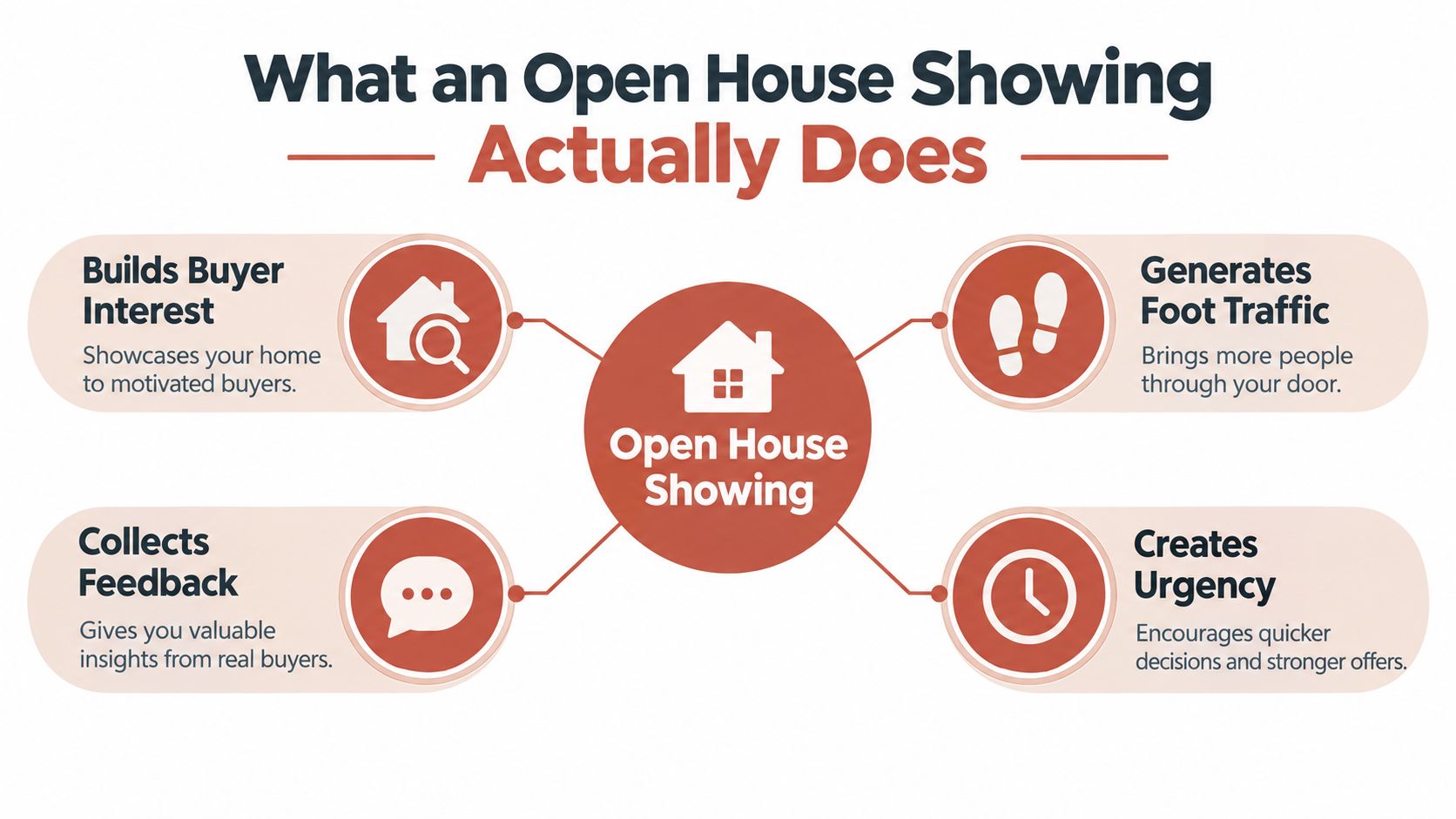
An open house showing is a scheduled period when a listed home is available for members of the public to tour, usually with the seller away and an agent present. That simple setup can serve several different purposes. Confusing them is how sellers end up treating a full sign-in sheet as proof of buyer demand.
Discovery is the first job. A visitor who didn't arrange a private appointment gets to see the house and decide whether it belongs on their shortlist. In the National Association of REALTORS®’ 2015 Profile of Home Buyers and Sellers, 48% of buyers reported using an open house as a source during their home search. That supports a practical point: open houses can help buyers discover properties, even when they aren't ready to make a decision on the spot.
Evaluation is the second job. Buyers use the visit to compare a home's layout, condition, neighborhood, and pricing with other options. In the same NAR summary, 92% of buyers said open houses were at least somewhat useful. For a buyer deciding between an Elmhurst colonial and a Naperville home, seeing the rooms in person may answer questions that photos can't.
The third job is lead generation. An agent may learn what a visitor needs, answer questions, and arrange follow-up, whether that means a private tour of the same home or a better-fit listing. The number of visitors isn't the measure of this outcome; a useful signal is a qualified conversation that continues after the event.
Three Outcomes an Open House Can Produce
| Outcome | What it measures | Best signal |
|---|---|---|
| Discovery | Whether buyers learn the listing exists | A visitor adds the home to their shortlist |
| Evaluation | Whether buyers can compare the property in person | A buyer asks specific questions or requests another look |
| Lead generation | Whether the event creates a useful next conversation | A qualified follow-up or a referral to a better-fit listing |
Before you schedule an event, decide which of these outcomes matters most for your situation. A newly listed home may benefit from broad exposure; a buyer who already has an appointment may need a quieter, private evaluation instead. An open house can do several jobs, but it won't do them all equally well.
How Agents Schedule and Run a Chicagoland Open House
Timing is a strategic decision, not an afterthought. A large-scale analysis of more than 250,000 residential listings across 11 U.S. cities found that an open house in the first week of marketing was associated with a 13-percentage-point higher likelihood of sale than listings without an open house, and a 6-percentage-point advantage over listings with a later event. The analysis of open-house timing describes an association, not proof that the event caused the difference. New listings also receive more buyer attention and agent activity during their launch.
That's a good reason to prepare before the home goes live. Coordinate photography, pricing, disclosures, cleaning, and access first, then decide whether an opening-weekend event supports the plan. For a step-by-step overview of the wider process, see this guide to the seven steps of selling a home.
Choose the right host and window
The listing agent can host, but a colleague or partner agent may be a sensible choice if they know the home and can speak confidently about the area. Someone familiar with Downers Grove, Naperville, or Oak Park can answer neighborhood questions without improvising. Agree in advance on how the host will handle offers, visitor questions, and follow-up.
In western Chicagoland, a weekend afternoon can make it easier for buyers to fit a visit around other tours. The right window depends on the listing, buyer traffic, and seller logistics. Don't schedule an event just because a calendar slot is available; make sure the home will be ready and the host can give visitors attention.
Make the event easy to find and useful to attend
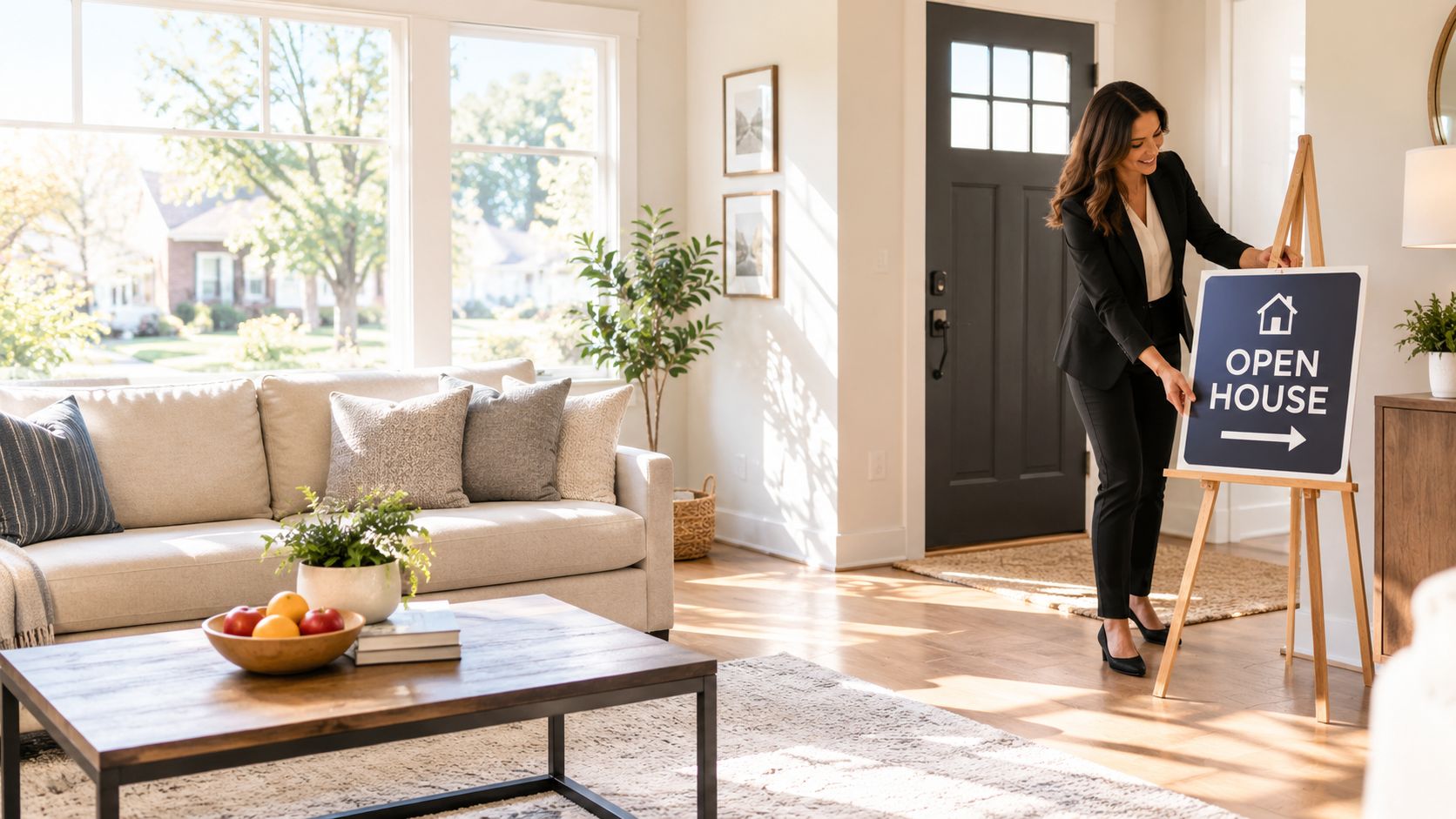
Directional signs can help visitors reach the property, but check the applicable local rules before placing them. Use clear listing information and a simple digital sign-in option if you're collecting visitor details. A QR code can give visitors a direct route to the listing, while the agent can record whether a person is a buyer, an agent, or a neighbor for appropriate follow-up.
The host's job isn't to sell every visitor with a speech. It's to welcome people, answer questions candidly, learn what they're looking for, and notice repeated concerns. If several visitors independently ask about the same feature, that pattern may be more useful than a flattering comment about the decor.
Staging and Preparation Tips for Sellers in the Suburbs
Prepare the house to help buyers understand its space, not to make it look like nobody lives there. A Melrose Park split-level, an Elmhurst colonial, an Oak Park two-flat, and a newer Naperville home each have a different layout, but visitors need the same basics: clear paths, bright rooms, and an easy sense of how each space works.
Start outside. Mow and tidy the lawn when the season allows, clear the walkway, and make the front entry feel cared for. If the entry paint is visibly worn, freshen it; the front door is the first close-up impression buyers get.
Clear the visual noise
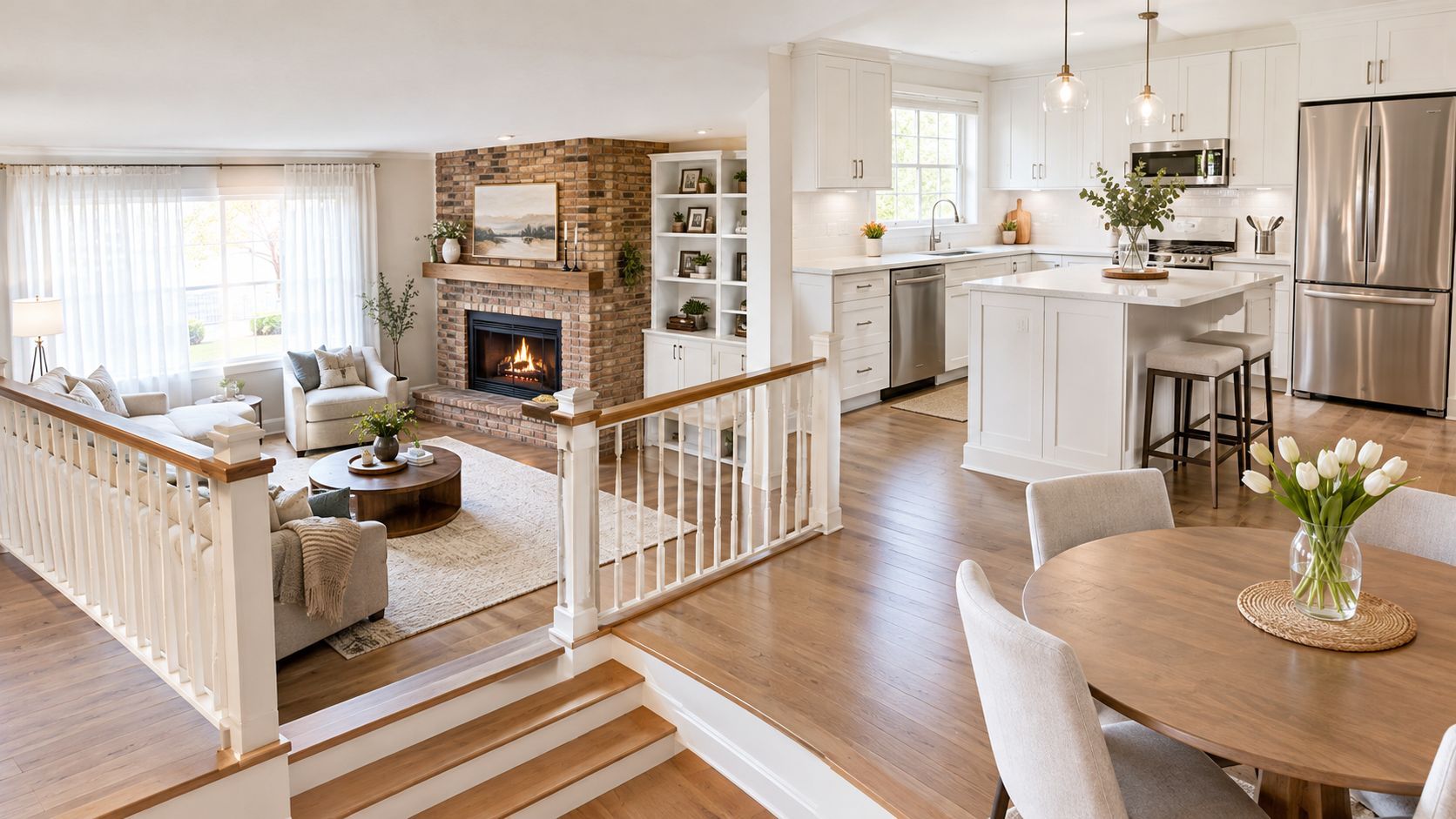
Buyers try to work out how their furniture and routines could fit into a home. When countertops, shelves, and closets are packed, it's harder for them to judge usable space. Clear kitchen and bathroom counters, remove excess furniture that narrows walkways, and store family photos and personal items that pull attention away from the rooms.
Don't strip away every sign of comfort. Keep a few useful items that show a room's purpose, such as a dining table or a neatly arranged reading chair. Store overflow, not essentials. A clean, open closet tells visitors more than a closet crammed with belongings.
Make rooms feel comfortable, not staged for a performance
Let in daylight by opening blinds, especially on a dim afternoon. Turn on lights where needed and set the thermostat to a comfortable temperature. Use a neutral, clean scent; strong fragrances can feel like an attempt to mask a problem. If a room has a feature buyers should notice, such as a fireplace or a useful work area, make it easy to see without turning the space into a display.
If you're using virtual staging in listing images, keep the result believable and consistent with the actual home. These AI staging quality tips can help you assess whether digital furniture and room styling look realistic rather than distracting. For seasonal comfort ideas that suit a showing, see these ways to make a house cozy for fall showings.
Plan for pets before the doors open. Arrange for a dog or cat to be away from the property if possible, and remove food bowls, litter, and pet bedding from main viewing areas. Sellers should leave during the event when they can; buyers are more comfortable looking around and speaking candidly when the owner isn't standing nearby.
A Safety and Privacy Protocol That Actually Holds Up
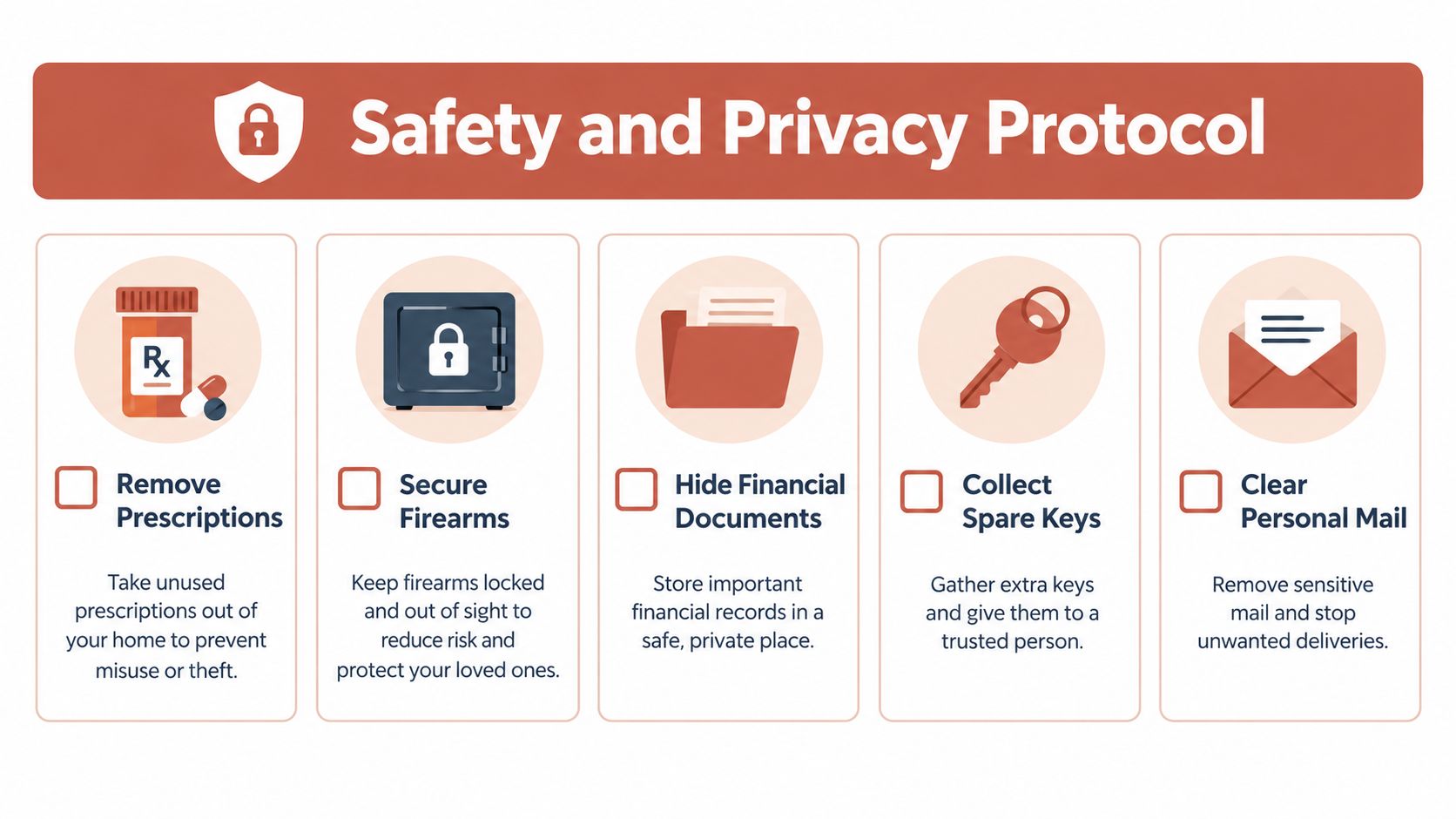
A public viewing means visitors can enter personal spaces, so don't treat security as a last-minute sweep. Decide what will be accessible, what needs to be secured, and what information the host needs from visitors. A consistent plan protects the seller without making legitimate buyers feel they're being interrogated.
Before the event, remove prescription medication, firearms, financial documents, personal mail, spare keys, and anything else that could expose private information or create a safety concern. Put these items somewhere visitors can't access. Close doors to rooms or areas that aren't part of the showing, such as an occupied bedroom, an office with sensitive papers, or a storage area.
Set clear expectations about registration
Tell the host before the event whether sign-in is optional or required, and what information will be collected. Don't ask for details that aren't needed for follow-up. If registration is optional, say so plainly. If the seller and agent require it, explain the process at the door rather than surprising visitors after they've entered.
Homes with children, aging parents, tenants, or a seller who can't leave need a more customized arrangement. The agent and seller should agree which areas are open, how visitors will move through them, and how to maintain privacy for anyone still living in the home. For inherited properties or rentals, confirm who has authority to approve access and what belongings must remain undisturbed.
Accessibility matters too. If stairs, a narrow entry, or another feature makes part of the home difficult to reach, offer an alternate private tour or a video walkthrough without calling attention to an individual visitor's needs. A simple line such as, “If you'd like another way to view any part of the home, let me know,” gives people room to ask.
A proportionate process protects the home and shows buyers the event is being handled professionally.
Strict screening may reassure a seller, but excessive demands can discourage genuine prospects. Agree on the protocol beforehand, communicate it clearly, and let the host focus on welcoming visitors rather than improvising rules at the door.
What Buyers Should Actually Do at an Open House
An open house is a chance to look closely, but you'll get more from it if you arrive prepared. Bring the listing details, your agent's contact information, comfortable shoes, and a notes app or notebook. If you're ready to act, keep your pre-approval information available for a follow-up conversation, but don't assume you need to make a decision while standing in the kitchen.
Walk the property with purpose. Check water pressure, open cabinets, look at closet depth, and notice how rooms connect. Pay attention to street noise while you're there, and look at the surrounding homes as you arrive and leave. A home can look appealing online yet feel different once you've seen the layout and the block in person.
Ask direct questions, then verify answers with your agent or the relevant property documents:
- Offer activity: Have the sellers received any offers?
- Timing: When do the sellers expect to relocate?
- Included items: What stays with the home?
- Basement: Is there a sump pump backup?
- Schools: How can I evaluate the school district for my household?
An open-house host may not know every detail, and shouldn't guess. Treat the answers as a starting point, especially for matters that need documentation or professional review.
If you're considering representation or want to understand the agreement before touring more homes, read this explanation of the buyer agent exclusive agreement. Then compare this property with the other homes you saw that afternoon. Note the differences in condition, layout, location, and price, instead of relying on the glow of the last house you toured.
When the home is a real contender, ask your agent about arranging a private showing. A quieter visit gives you time to reconsider the space without a crowd, take a closer look, and follow up on unanswered questions. The open house can put a home on your shortlist; a focused second visit can help you decide whether it belongs there.
Measuring Results Beyond the Same-Day Offer
A Sunday without an offer isn't a verdict on the open house. Historical data from a Texas Real Estate Research Center summary of a 1995 NAR survey shows why direct sales and indirect value shouldn't be treated as the same outcome: 73% of surveyed respondents believed open houses were effective at interesting visitors in other homes, even as respondents expressed doubts about how often the event sold the home being shown.
After the event, look for signals that connect to your goals: qualified visitor conversations, repeat private-showing requests, financing readiness among people who volunteered details, recurring objections about price or condition, referrals to another listing, and a change in online interest. No single signal tells the whole story, but together they give the seller and agent something concrete to assess.
Before the next event, ask:
- Did the right buyers see the home?
- What feedback came up more than once?
- Did anyone request a private tour?
- What will the agent follow up on?
Attendance is a count. A useful conversation is a lead. A well-informed buyer may become an offer later, not at the door.
Homes By Carmen helps Chicagoland buyers schedule property tours and supports sellers with pricing, listing strategy, showings, and offer negotiations. If you're preparing to list or looking for a home in the western suburbs, visit Homes By Carmen to discuss a plan that fits your next move.