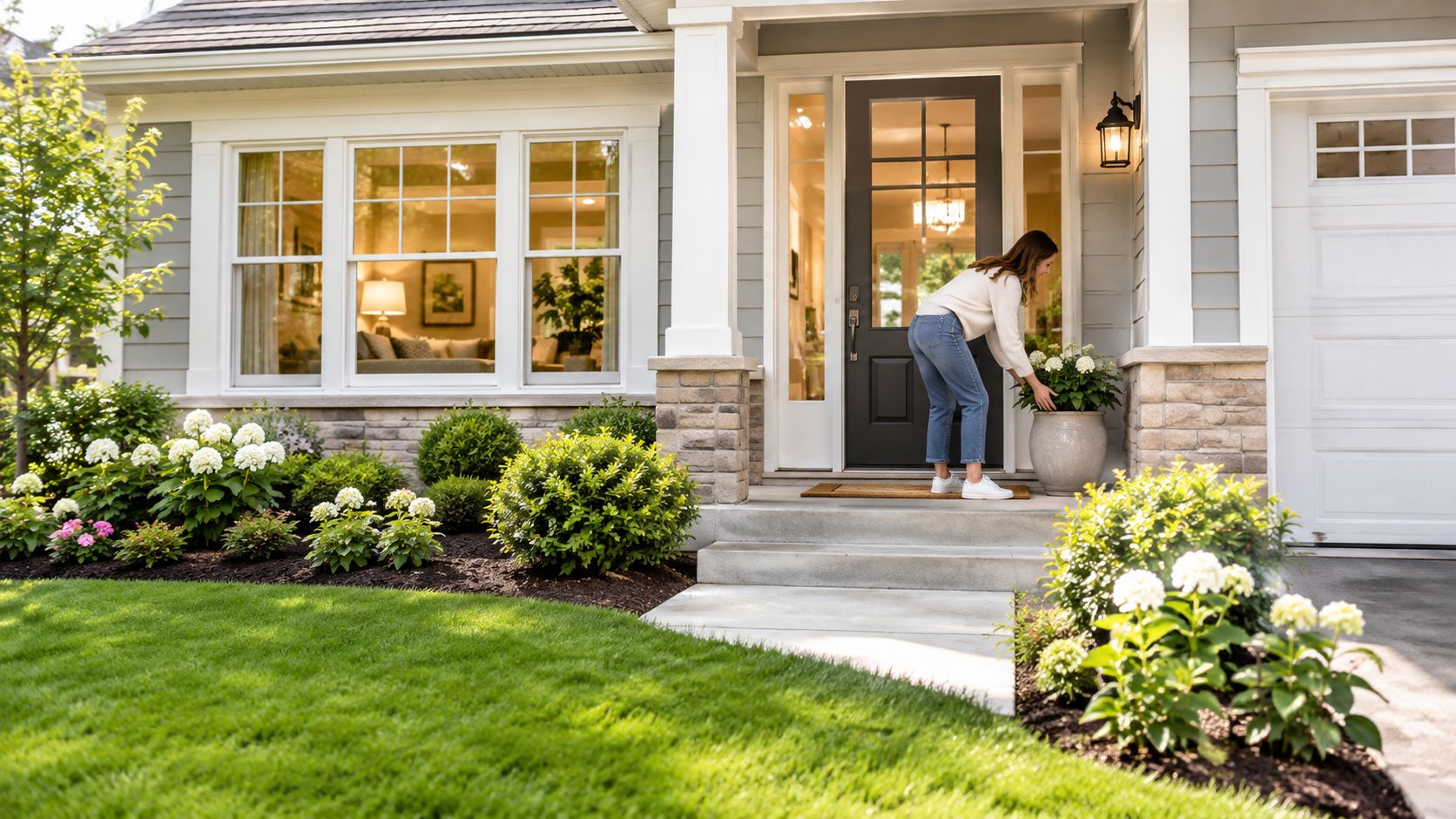
The most popular advice about increasing home value before selling is also the easiest way to overspend: renovate the kitchen, update every bathroom, and make the house look new. My advice is different. Fix what creates doubt, improve what buyers notice, and skip work that won't improve your net proceeds. A seller in Melrose Park doesn't need the same preparation plan as a seller in Elmhurst, and neither should authorize construction based on a national renovation ranking alone.
Table of Contents
- Why Most Sellers Should Do Less Than They Think
- The Pre-Listing Condition Risk Audit
- Projects That Recoup Real Money
- High-Impact, Low-Cost Preparation
- Renovate, Sell As-Is, or Offer a Credit
- Curb Appeal, Staging, and the First 30 Seconds
- Timing, Permits, and the Final Launch Checklist
Why Most Sellers Should Do Less Than They Think
A higher sale price isn't the same thing as a better financial result. If getting that price requires expensive work, additional ownership costs, and a delayed move, you may have improved the house without improving your position.
Start with the property's actual competition. Compare an older Oak Park home with similar homes, not with a fully reconstructed property featuring a different layout and finish level. In Naperville, don't assume a neighbor's remodeled kitchen explains their sale price without checking the rest of the property and the transaction.
Prepare for the buyer, not your unfinished wish list
Separate your preparation list into distinct categories:
- Condition problems: Defects that need investigation, repair, or a clear disclosure strategy.
- Presentation problems: Dirt, clutter, worn finishes, and awkward furniture arrangements.
- Personal preferences: Changes you've wanted for years that a buyer may not value.
That last category deserves scrutiny. Replacing functional cabinets because you dislike their color is different from repairing doors that won't close. Removing a wall because open layouts appeal to you is different from making an existing room easier to understand.
Practical rule: Don't pay to erase every sign of age. Pay to remove reasonable doubts about condition and make the home easy to evaluate.
Use a spending filter
Before approving a project, ask what specific buyer objection it resolves. Then ask whether a less disruptive solution would resolve the same objection.
A functioning but dated bathroom may need cleaning and maintenance, not demolition. A tired entry may need adjustment and refinishing rather than replacement. A sound basement doesn't need a speculative finishing project just because you're preparing to leave.
My recommendation for how to increase home value before selling is straightforward: condition risk first, targeted repairs next, presentation after that, and pricing grounded in comparable sales. Keep improvements that support that sequence. Cut projects whose main justification is that the house would look nicer when they're finished.
The Pre-Listing Condition Risk Audit
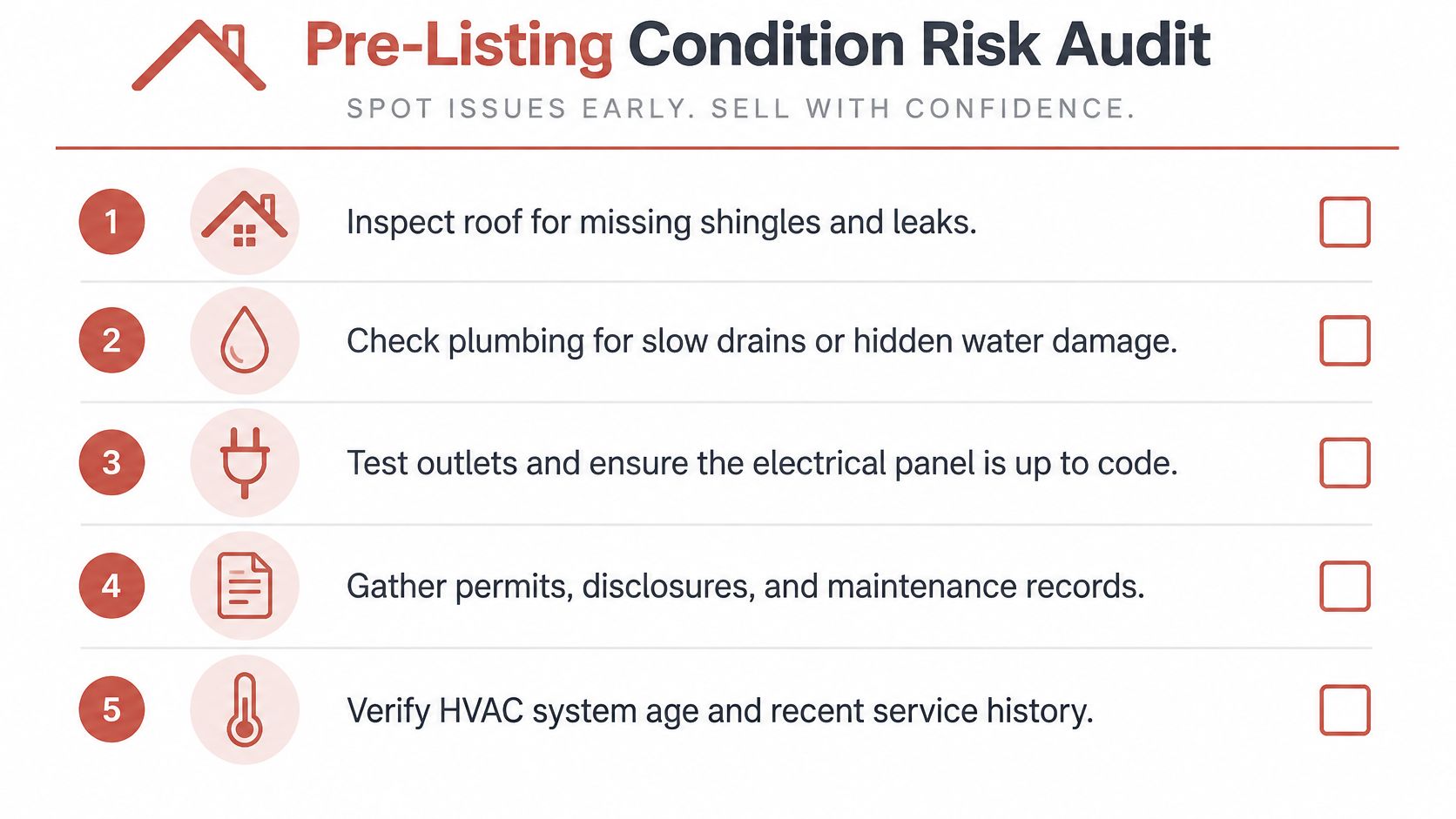
A fresh wall color won't answer a buyer's question about water in the basement. Before hiring a painter, create a written condition-risk audit that separates known defects, unanswered questions, and documented maintenance.
Condition deserves attention. Reporting on NAR/NARI findings indicates that 46% of buyers are less willing to compromise on a home's condition, which supports addressing uncertainty before cosmetic upgrades (Ohio REALTORS® discussion of buyer appeal and remodeling priorities).
Inspect systems before choosing finishes
Walk the property with a notebook, then bring in qualified professionals where the evidence warrants it.
- Roof and drainage: Locate installation records, identify known repairs, and investigate ceiling stains or attic moisture. Ask a roofer to assess condition rather than guessing remaining life from appearance.
- Basement and sewer: Record when seepage occurred, where it appeared, and what was done. For recurring backups or uncertain sewer condition, discuss a camera inspection with a qualified contractor.
- Electrical and HVAC: Gather panel information, equipment labels, service records, and repair invoices. Have qualified tradespeople evaluate concerns rather than declaring equipment safe because it turns on.
- Permits and claims: Assemble records for additions, finished spaces, structural changes, and relevant insurance claims. Flag missing paperwork for follow-up.
- Deferred maintenance: Identify active leaks, damaged components, and unfinished repairs separately from cosmetic wear.
Decide what needs action
Use a clear status beside each finding: repair, investigate, disclose, or monitor. Don't label an unknown issue resolved just because you can't see it during dry weather.
A pre-listing inspection can help when the home has complicated maintenance history or you need a defined repair scope. It doesn't replace the buyer's inspection, and any findings should be discussed with your agent and attorney when preparing disclosures. This guide to preparing for a home inspection offers a useful companion checklist.
For a Melrose Park or Elmhurst listing, keep invoices, permits, warranties, and contractor explanations in a shared folder. Documentation doesn't guarantee an easy transaction, but it gives you something more useful than reassurance when a buyer asks what happened and how it was addressed.
Projects That Recoup Real Money
Quote the defect before you quote the upgrade. A damaged garage door deserves a different discussion from an attractive, functioning door that isn't new.
The following national benchmarks come from the 2025 Cost vs. Value Report. Every numerical entry in the table reflects that report's averages, not a western Chicago contractor quote or a guaranteed increase in your home's value.
Cost vs. Resale Recoup for Common Pre-Sale Projects
| Project | Avg. Cost | Avg. Resale Value | Cost Recouped |
|---|---|---|---|
| Garage-door replacement | $4,672 | $12,507 | 267.7% |
| Steel entry-door replacement | $2,435 | $5,270 | 216.4% |
| Manufactured stone veneer | $11,702 | $24,328 | 207.9% |
| Fiber-cement siding replacement | Not provided here | Not provided here | 113.7% |
| Midrange minor kitchen remodel | $28,458 | $32,141 | 112.9% |
Don't treat the highest percentage as an instruction to start construction. Cost recovery is estimated resale value divided by project cost, not a guaranteed cash profit, and the condition of the existing feature matters.
Which projects deserve a quote
A garage door belongs on the shortlist when it's damaged, unreliable, or visually dominates an otherwise tidy facade. Check the track, opener, and hardware before deciding whether you need a complete replacement.
A steel entry door makes sense when the existing assembly is deteriorated or doesn't function properly. If adjustment, weatherstripping, and refinishing solve the problem, price that scope first.
Stone veneer and fiber-cement siding need a stronger justification than an impressive national ranking. I wouldn't add decorative masonry to an otherwise sound exterior without neighborhood evidence that the change matters. Replacement siding deserves consideration when existing material is failing, not merely unfashionable.
For a minor kitchen refresh, preserve a workable layout and serviceable components. Don't turn a restrained project into a gut renovation by adding custom cabinetry, relocated plumbing, and specialty finishes.
Existing hardwood floors also deserve inspection before replacement. Ask a flooring contractor whether refinishing is appropriate; don't assume every worn surface needs to be removed.
Translate national figures into a local decision
There's no defensible suburb-specific price range without an actual scope. An Elmhurst quote may include underlying repairs, disposal, permit work, or finish details that a Melrose Park quote doesn't.
Request itemized bids, then test the proposed finish level against a neighborhood comparative market analysis. For a broader preparation checklist, Purified Air Duct Cleaning's guide to top-dollar home sales can help organize ideas, but local evidence should decide what you fund.
High-Impact, Low-Cost Preparation
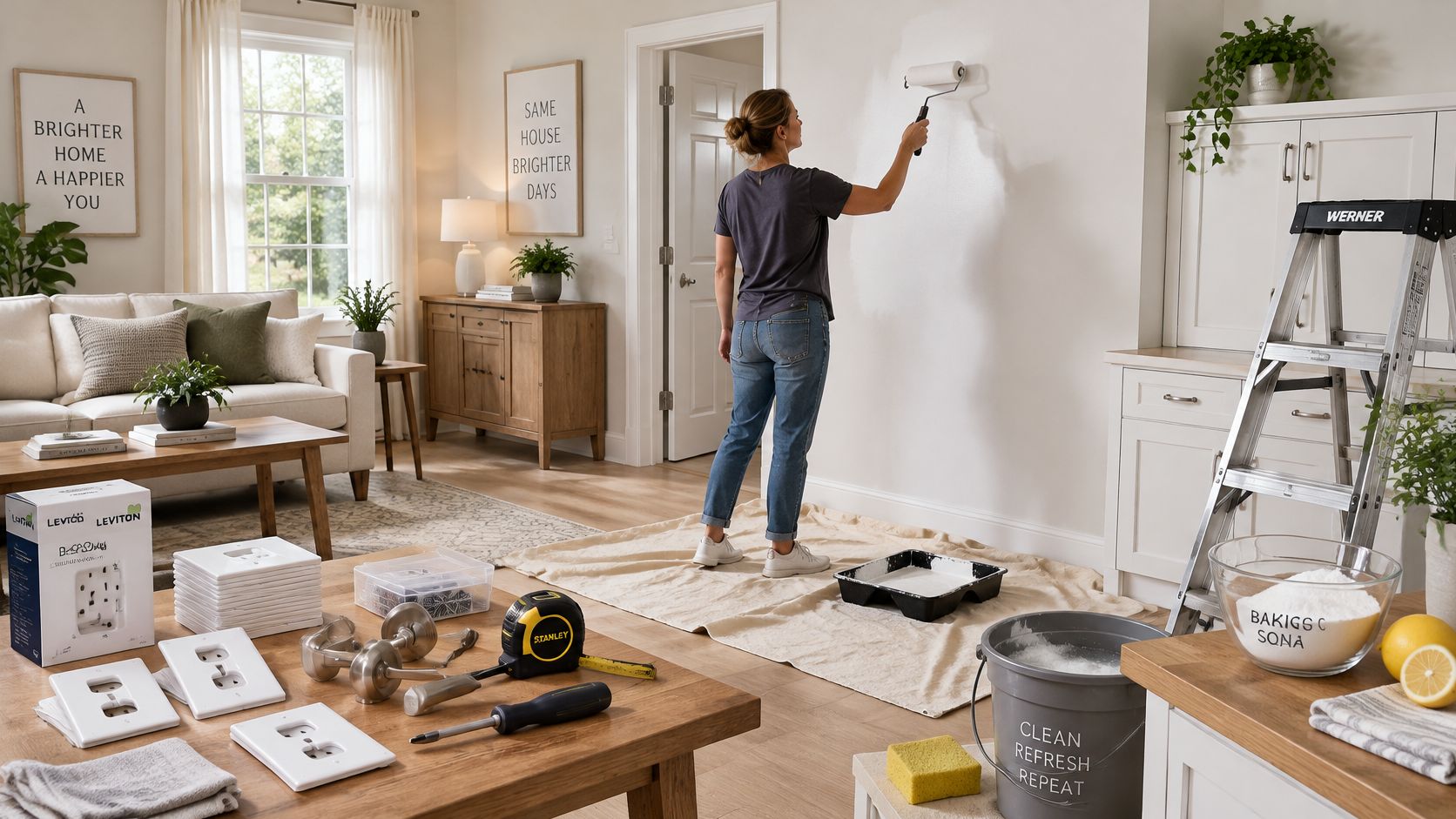
The unglamorous work deserves priority: clean the house thoroughly, finish incomplete repairs, and make every visible component look intentional. Don't order decorative fixtures while a faucet drips or a cabinet door hangs crooked.
Fix function before style
Use the condition audit to assign repair work, then complete the small items buyers can test during a showing.
- Doors and trim: Correct sticking doors, loose handles, damaged stops, and missing trim. Investigate the cause of movement before treating every sticking door as a simple adjustment.
- Kitchens: Tighten hardware, align cabinet fronts, remove grease, and repair damaged caulk where appropriate. Keep a serviceable backsplash rather than replacing it for fashion.
- Bathrooms: Address leaks first, then clean grout and replace failed sealant. Don't caulk over a moisture problem.
- Electrical details: Replace missing or broken cover plates safely and have damaged outlets evaluated. Cosmetic consistency isn't a substitute for electrical repair.
Paint selectively. Prioritize visibly marked walls, patched areas, and strong colors that make rooms difficult to photograph. If the existing neutral finish is clean and consistent, repainting every room may be unnecessary.
Clean beyond eye level
Wash cabinet fronts, window tracks, baseboards, light fixtures, and the edges around appliances. Match bulb color within a room and stay within fixture specifications rather than chasing maximum brightness.
Pet damage and smoking history require a source-removal plan, not fragrance. Clean affected surfaces and textiles, assess damaged flooring or underlayment, and ask a qualified restoration professional about persistent contamination. Don't assume fresh paint alone resolves an odor.
A buyer should notice the room, not wonder what a candle is covering up.
Set your budget from the actual punch list. Separate required repair work from optional appearance work, obtain written prices, and authorize the required work first. A generic budget for a typical suburban house is less useful than knowing whether your scope includes a minor touch-up or widespread surface preparation.
Leave room for final cleaning after contractors finish. Dust on newly painted trim and debris in a repaired cabinet make completed work look unfinished.
Renovate, Sell As-Is, or Offer a Credit
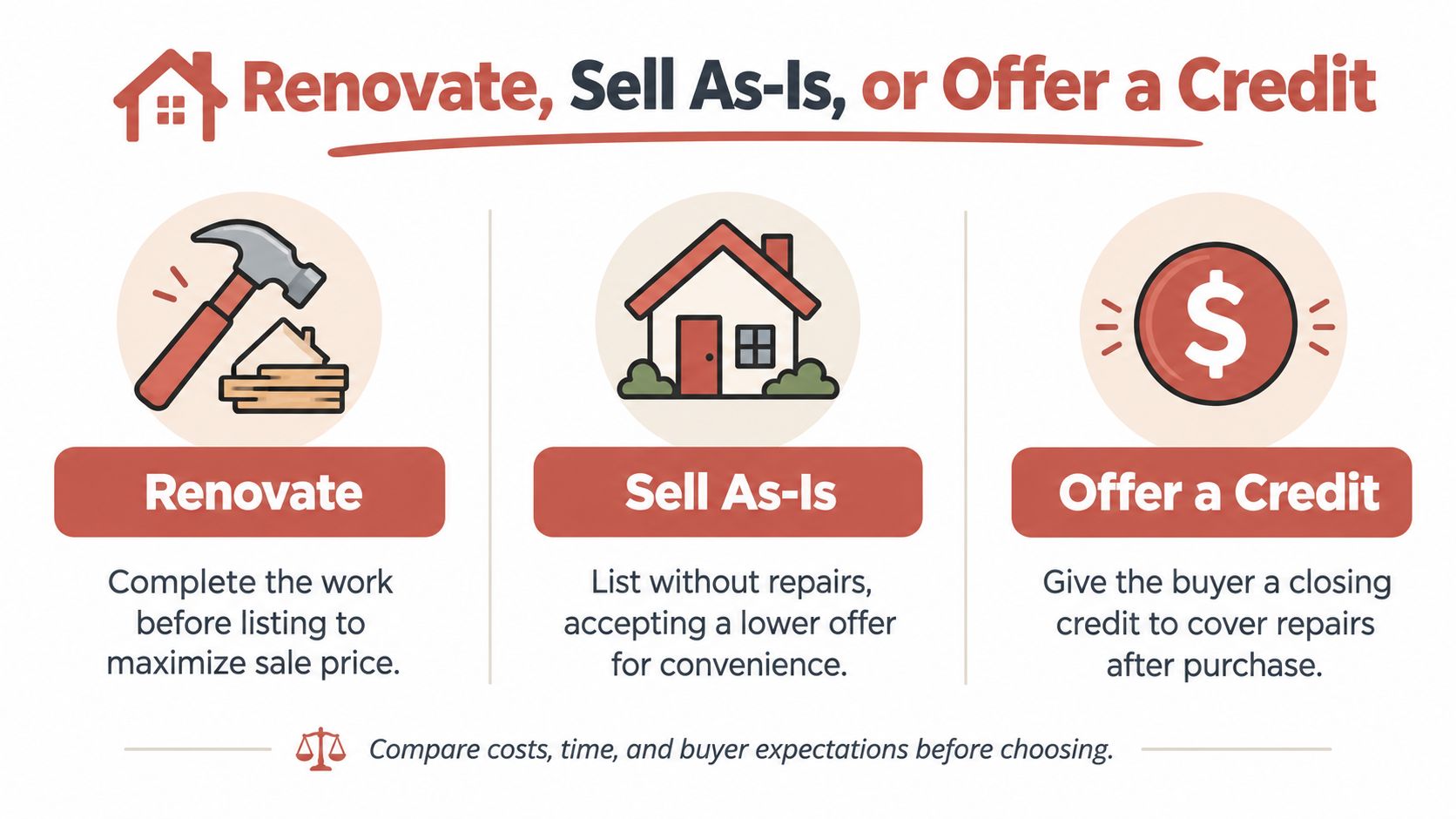
Choose the path with the strongest expected net proceeds, not the prettiest finished product. Renovation, an as-is listing, and a negotiated credit can all be sensible, depending on the condition issue and your deadline.
NAR/NARI reporting found that only 18% of homeowners remodeled primarily to prepare for selling, while complete or minor kitchen renovations recovered about 60% of cost and bathroom renovations recovered about 50% (2025 remodeling findings reported by Houston Agent Magazine). Those estimates differ from the earlier project report, so don't blend them into a promised return.
Build a break-even worksheet
| Worksheet entry | What to use |
|---|---|
| Expected sale price for each path | Relevant comparable sales, adjusted for condition |
| Work before listing | Written quotes covering the complete scope |
| Preparation and marketing time | Contractor schedule plus agent's local assessment |
| Carrying costs | Your actual mortgage payments, taxes, insurance, utilities, and upkeep |
| Buyer concession | Proposed amount, subject to transaction and financing requirements |
| Expected seller proceeds | Sale price less applicable selling costs, work, concessions, and carrying costs |
Use a consistent accounting method and avoid counting the same expense twice. Have your agent or closing professional reconcile the worksheet with an estimated seller net sheet.
For an Elmhurst home with an intact but dated kitchen, compare renovated sales with similarly dated sales. Subtract the full renovation quote, added ownership costs, and any additional selling costs from the supported price difference. If there's no meaningful advantage left, keep the kitchen and price accordingly.
Match the solution to the problem
- Renovate before listing when a defined project resolves a material objection and comparable sales support the expense.
- Sell as-is when avoiding construction is more valuable to you than pursuing a finished-home price. Discuss disclosures and contract language with your attorney.
- Offer a credit when the buyer prefers control over the work and the transaction permits the concession. Confirm financing requirements before promising terms.
A credit isn't a universal substitute for repairs. Ask the buyer's lender about any condition requirements.
For paint-specific decisions, I PAINT STUFF's pre-sale painting ROI advice provides another preparation resource. Apply the same worksheet before expanding a touch-up job into a whole-house repaint.
Curb Appeal, Staging, and the First 30 Seconds
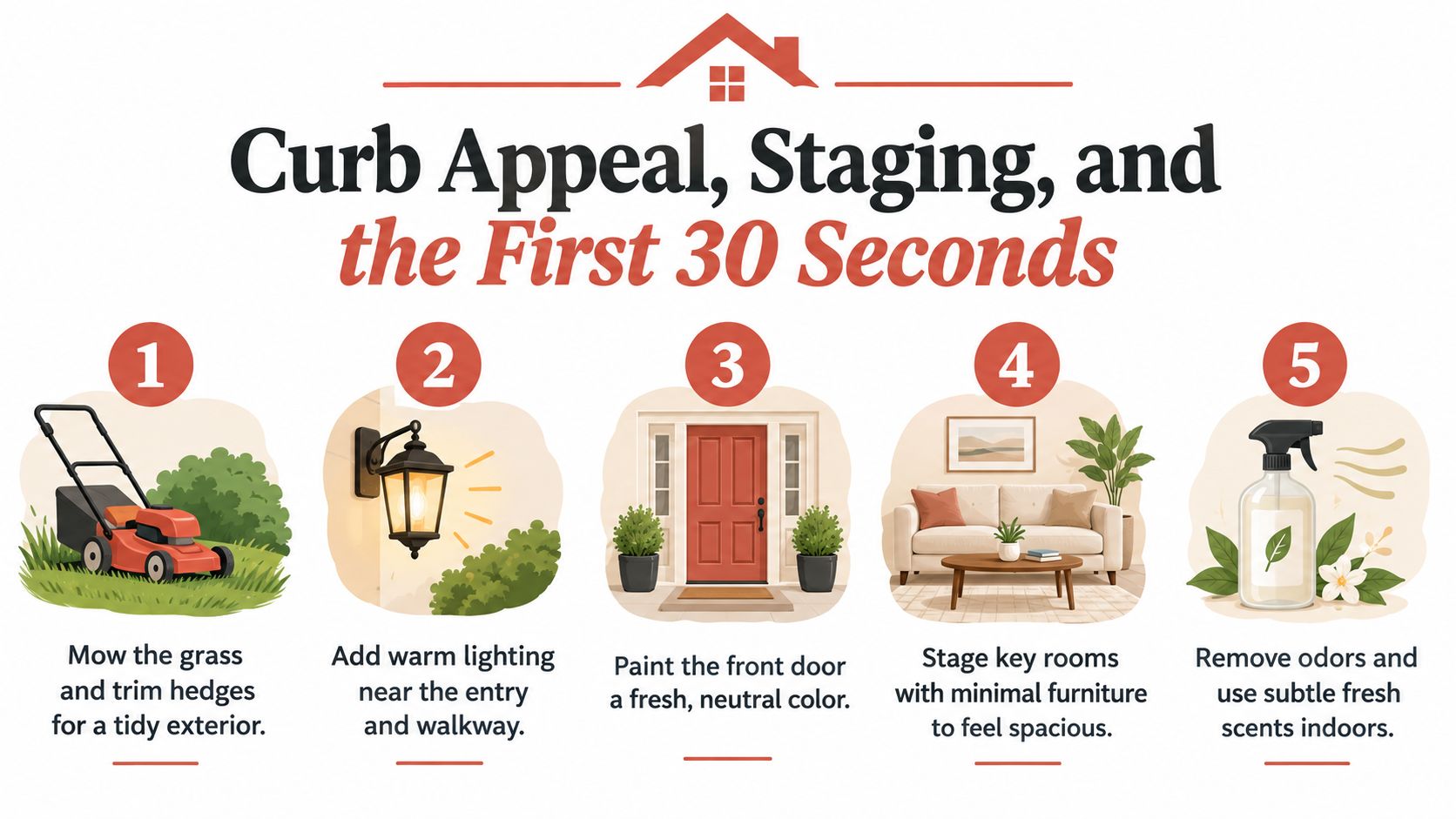
Treat the first 30 seconds as a walkthrough test, not a scientific countdown. Start at the curb, approach the front door, open it, and enter as though you've never seen the property.
Look for friction: overgrown branches, an obscured address, a hard-to-operate lock, or furniture blocking the entry. These are practical problems you can identify without buying a new exterior.
Work with the season
- Spring: Clear leaves from beds and drains, assess snow-melt pathways, and clean salt residue from suitable surfaces. Investigate standing water rather than disguising it.
- Summer: Keep grass and plantings maintained, trim growth away from walkways, and remove neglected containers. Choose landscaping you can maintain through the listing period.
- Fall and winter: Keep steps and paths clear, provide safe access, and check exterior lights. Don't try to compensate for dormant landscaping with excessive decorations.
Professional Window Cleaning's curb appeal ideas for homeowners offers exterior presentation prompts. For additional property-focused tasks, use this curb appeal preparation guide.
Stage for movement and photographs
Inside, remove furniture that interrupts walking routes. Give each room a readable purpose, particularly a spare room that currently serves as storage, office, and exercise space.
In the living room, arrange seating to show usable space without hiding a fireplace or window. In bedrooms, make beds neatly and clear access around them. Keep kitchen counters mostly available for their intended use rather than filling them with decorative accessories.
Use modest additions only where needed: fresh towels, a simple runner, or a healthy plant. Store excess personal collections and oversized furnishings instead of moving them from room to room.
Stage the house you're selling, not a lifestyle you'd have to purchase.
Before photography, check sightlines from doorways and remove cords, bins, and distracting objects. Ask the photographer to represent the home accurately, and keep the same arrangement available for showings so buyers encounter the property they saw online.
Timing, Permits, and the Final Launch Checklist
Choose a realistic launch date, then schedule backward. Coordinate the sale with school commitments, your next purchase, moving arrangements, and current competing listings rather than assuming a calendar month guarantees a better outcome.
Resolve paperwork before launch
Ask the municipality about permit records and requirements for past or proposed work. Requirements can differ between Melrose Park, Oak Park, Elmhurst, and neighboring communities.
Have your attorney review unresolved permit questions and disclosure obligations. Ask the lender, appraiser, or insurer about their requirements when altered space or incomplete documentation creates uncertainty; don't assume every party will treat the issue the same way.
Use a backward planning checklist
These are suggested preparation milestones, not fixed project durations:
- 90 days before listing: Complete the condition audit, gather records, order necessary evaluations, and decide which substantial projects to skip.
- 60 days before listing: Schedule selected paint, flooring, and contractor work. Refinishing existing hardwood floors had the highest reported interior cost recovery at 147% in the 2022 NAR/NARI Remodeling Impact Report, a benchmark rather than a guarantee.
- 30 days before listing: Finish punch lists, stage, photograph, and prepare showing instructions.
Before going live, refresh comparable sales, confirm the asking price, and agree on when you'll review buyer feedback. Set showing availability, pet arrangements, and a daily reset routine that your household can sustain.
The final test is simple: every funded project should have a purpose, every known concern should have a handling plan, and the asking price should reflect the property buyers will tour.
Before you authorize work, visit Homes By Carmen to request a complimentary property valuation and seller strategy consultation for your western Chicagoland home. Bring your repair list, contractor quotes, and moving timeline so Carmen can help you compare neighborhood sales, prioritize preparation, and choose a pricing and listing plan.