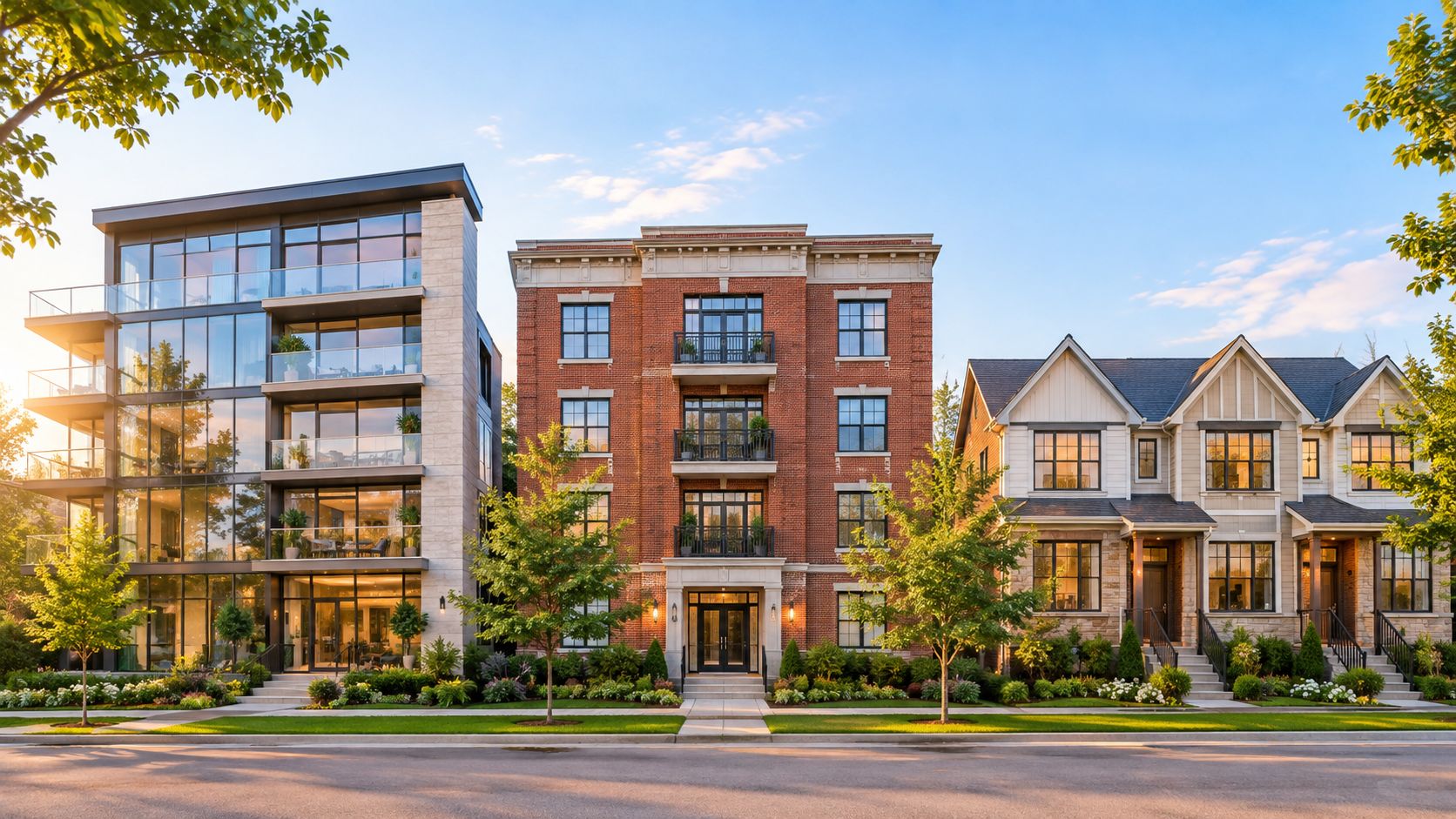
You may be searching for condos for sale in Glen Ellyn, Illinois after deciding that a detached home feels like too much maintenance, but an apartment-style unit doesn't offer enough space. That puts you in a market with very different choices, from a walkable downtown conversion to an older entry-level condo, a townhouse-style community, or a golf-oriented property with a very different cost structure.
This roundup is a practical framework for comparing featured condo segments by entry price, lifestyle, neighborhood setting, HOA obligations, condition, and resale considerations. Availability and pricing change, so verify current details through an MLS-powered search before treating any example as active. Homes By Carmen can help with tours, offer strategy, inspection coordination, and closing support when relevant.
Glen Ellyn's broader housing market is active. Redfin's current Glen Ellyn market snapshot reports a median sale price of $582,000 across all home types over the last three months, with homes averaging 43 days to sell and receiving five offers on average. Condo shoppers need to compare carefully because the condo entry point can sit well below the citywide median while still requiring quick decisions.
Table of Contents
- 1. Downtown Glen Ellyn Historic Brownstones and Converted Lofts
- 2. Lakewood Village Gated Community Mid-Range Condos
- 3. Park Avenue Historic Brownstones Premium Boutique Condos
- 4. Glen Ellyn Corporate Housing New Construction Rentable Condos
- 5. Fairfield Estates Family-Oriented Mid-Rise Condos
- 6. Ledges of Glen Ellyn Luxury Golf Community Condos
- 7. Glen Ellyn Courtyard Apartments Affordable Entry-Level Condos
- Glen Ellyn Condos: 7-Community Comparison
- Turn a Shortlist Into a Confident Offer
1. Downtown Glen Ellyn Historic Brownstones and Converted Lofts
A buyer touring a downtown conversion may find exposed brick, tall ceilings, hardwood floors, and a short walk to Main Street shops, restaurants, and the Metra station. That combination suits someone who wants a more urban routine while remaining in a suburban community. One-to-three-bedroom layouts can also appeal to downsizers and professionals who prefer location over private outdoor space.
Historic character requires closer building review. A polished lobby does not confirm that the association has planned for masonry, roofing, plumbing, electrical, or heating work. Request reserve studies, recent budgets, insurance information, and records of completed or proposed capital projects before focusing on finishes.
What to verify before making an offer
- Building condition: Hire an inspector familiar with historic construction. Cosmetic updates can hide aging systems or deferred maintenance.
- Parking: Confirm whether parking is deeded, assigned, leased separately, or limited to street availability.
- Noise: Visit during an evening and a weekend. Restaurant activity, deliveries, trains, and nearby events may change the experience considerably.
- Future surroundings: Ask about downtown development, construction, and streetscape plans that could affect views, access, or noise.
- Search accuracy: Use this guide to searching the MLS to filter by building, property type, parking, and current listing status.
The key HOA question is not just the monthly fee. Review what the dues cover, how repairs are funded, whether the building carries appropriate insurance, and whether proposed projects could lead to an assessment. Buyers should also compare storage, parking costs, and expected maintenance with units in newer communities.
This segment best serves a professional who values walkability and Chicago access, or a downsizer seeking character without maintaining a full house. It is less suitable for someone who needs abundant storage, a private garage, or highly predictable ownership costs.

2. Lakewood Village Gated Community Mid-Range Condos
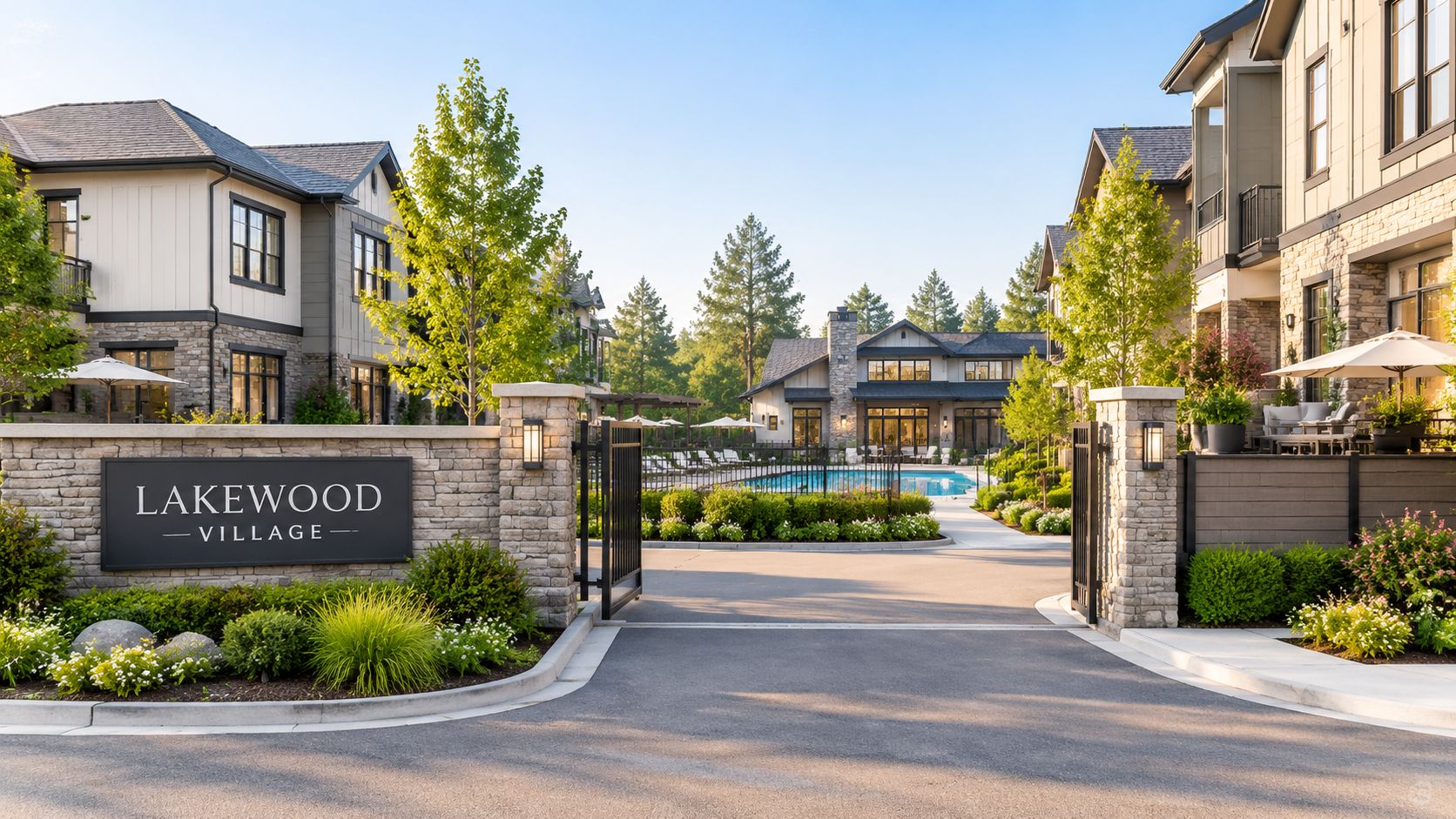
Lakewood Village is a logical fit for buyers who want a managed suburban setting and townhouse-style space. Two-to-three-bedroom units in an established gated community can provide more separation between living areas than a downtown flat, while shared grounds and amenities reduce the amount of exterior maintenance an owner handles personally.
That convenience is paid for through the association. The monthly HOA amount is only one part of the question. You also need to understand what it covers, how the association handles major repairs, and whether current dues are keeping pace with future obligations.
Documents that deserve close attention
Request several years of HOA meeting minutes, current financial statements, the reserve study, insurance details, and information about pending assessments. Meeting minutes can reveal recurring water intrusion, roof concerns, parking disputes, elevator problems, or disagreements about future projects that aren't obvious during a showing.
Walk the property more than once. A weekday afternoon may show clean landscaping and quiet sidewalks, while an evening or weekend visit can tell you more about guest parking, pool activity, traffic, and general noise.
Practical rule: Compare the full monthly payment, not just the mortgage. Include HOA dues, property taxes, insurance, utilities, parking, and any amenity-related charges.
An owner-occupant with children may value the controlled access, pool, fitness facilities, and maintained grounds. A rental buyer needs to read the leasing rules before offering, because an attractive unit isn't useful as an investment if the declaration limits rentals, imposes a waiting period, or caps the number of leased units.
The best comparison here isn't always another condo. Put Lakewood Village beside a downtown unit and a detached home, then compare privacy, maintenance, commute, carrying cost, and resale audience. The right choice depends on which obligations you're trying to remove and which conveniences you're willing to pay for.
3. Park Avenue Historic Brownstones Premium Boutique Condos
Park Avenue brownstones appeal to buyers who want a substantial residence with architectural identity. These boutique conversions may offer three-to-four-bedroom floor plans, large living areas, original millwork, and luxury updates that are difficult to recreate in newer construction.
The buyer profile is usually an established household that wants more space and a distinctive setting, but doesn't want to give up condominium ownership. A family might choose this segment for its formal rooms and character. A professional relocating from the city might choose it because the layout feels more like a historic urban home than a standard suburban unit.
Separate original character from modern reliability
Historic details should be documented, not merely advertised. Ask which elements are original, which were reproduced, and whether any alterations required association or municipal approval. Then focus on the systems behind the appearance.
- Electrical and plumbing: Confirm that the infrastructure has been modernized and that the inspector can identify remaining limitations.
- Heating and cooling: Check the age, service history, and replacement responsibility for HVAC equipment.
- Structure: Request disclosures about foundation work, settlement, masonry repairs, and water management.
- Insurance: Review how the association insures common elements and where the unit owner's policy begins.
- Tax considerations: Ask a qualified professional whether any historic preservation incentives apply to the property. Don't assume eligibility.
Large square footage can make an impressive first impression, but it also creates more surfaces, systems, and potential replacement costs. A high-end renovation won't eliminate the need to investigate the association's reserves or the building's long-term maintenance plan.
This segment works when you value space and craftsmanship enough to accept a more involved inspection and document review. It doesn't work as well for a buyer whose priority is the simplest possible ownership experience.
4. Glen Ellyn Corporate Housing New Construction Rentable Condos
Modern one-to-two-bedroom condos can attract buyers who prioritize contemporary finishes, efficient layouts, building amenities, and leasing flexibility. A newer property may appeal to a relocating employee, an executive-lease operator, or an investor seeking a unit that can be marketed to renters without immediate cosmetic work.
The central issue isn't whether the kitchen looks new. It's whether the association's governing documents support your intended use. Ask for the declaration, bylaws, rules, leasing addenda, rental caps, minimum lease terms, move-in requirements, and any restrictions on furnished or short-term occupancy.
Evaluate the investment as an operating business
A rental projection should account for vacancy, repairs, management, insurance, taxes, HOA dues, utilities paid by the owner, and financing. Review comparable rental history rather than relying on an asking rent, and separate a tenant's preference for modern finishes from the actual income the property can support.
A rentable condo is only an investment after the association rules, operating expenses, and realistic leasing demand have been verified.
Keep a meaningful operating reserve for periods when the unit is vacant or an appliance, HVAC component, or building charge needs attention. Professional management can help with leasing and maintenance, but its fee must appear in the analysis. A tax professional should address depreciation and other tax treatment because those decisions depend on the owner's circumstances.
The comparison infographic for Park Avenue and downtown condo segments highlights why these segments attract different buyers. Historic properties sell a sense of place and space, while newer rentable units may offer a cleaner operational profile. Neither is automatically superior.
This option is best for an investor or relocation-focused owner who understands leasing compliance and cash-flow analysis. It is a poor fit for someone buying primarily for personal use who doesn't need rental flexibility.
5. Fairfield Estates Family-Oriented Mid-Rise Condos
Fairfield Estates offers a middle ground between a townhouse community and downtown living. Mid-rise buildings with elevator access can provide two-to-three-bedroom layouts, a residential setting, and less exterior maintenance than a detached property. For a growing household, that combination can be more practical than stairs, landscaping, and snow removal at a townhome.
School context matters, but don't rely on a listing's shorthand. Verify the current district boundaries for the specific address and confirm how transportation, enrollment, and attendance areas apply to your household. A buyer who expects a school assignment based on a nearby neighborhood can face a costly surprise if the boundary differs.
Tour for the details families notice later
Visit during school arrival or pickup periods if possible. You'll learn more about traffic, guest parking, elevator demand, and the everyday pace of the community than you will during a quiet midday appointment.
Check the elevator's maintenance history and service arrangements. Listen for hallway and neighboring-unit noise, and ask whether the building has documentation concerning soundproofing or past complaints. Parking deserves equal attention. Determine whether spaces are deeded, assigned, first-come, or shared with guests.
Your budget should include the mortgage, property taxes, HOA dues, unit insurance, utilities, and parking costs. A unit with a lower asking price can still produce a higher monthly obligation if dues or taxes are materially different from another building.
Fairfield Estates is well suited to families who want elevators, shared maintenance, and a stable residential environment. It may not satisfy buyers who need a private yard, direct downtown walkability, or a large garage. Its strength is balance, not a single standout feature.
6. Ledges of Glen Ellyn Luxury Golf Community Condos
A golf-oriented condo offers a lifestyle purchase as much as a real estate purchase. Buyers may be drawn to views, clubhouse access, social programming, outdoor space, and the convenience of having recreation close to home. Empty nesters and committed golfers often value that setting more than a downtown location or a larger private yard.
The financial structure requires discipline. A buyer must understand the difference between HOA obligations and club membership obligations, including initiation charges, recurring dues, food or activity requirements, restrictions, transfer rules, and what happens if the unit is later sold.
Test the lifestyle before committing
Ask for club financial statements and information about planned capital work. Course conditions, clubhouse maintenance, staffing, and membership trends affect the experience, while association reserves and building maintenance affect the condo itself. These are connected to your decision, but they aren't the same budget.
- Membership rights: Confirm whether membership transfers with the unit or must be separately approved.
- Future resale: Ask how a future buyer can qualify for or obtain membership.
- Course exposure: Walk the property at different times to evaluate golf-ball risk, maintenance noise, lighting, and privacy.
- All-in cost: Combine the mortgage, taxes, HOA dues, insurance, club charges, and optional services.
- Trial experience: Request a lesson, guest round, or trial opportunity before treating the lifestyle as a settled preference.
Buyer perspective: Don't buy the view first and investigate the membership later. The recurring obligations can matter more than the balcony.
Before calculating closing funds, review a reliable explanation of Illinois closing costs for buyers. This segment works for buyers who will actively use the club and accept its obligations. It doesn't make sense for someone who likes the scenery but rarely plays, entertains, or uses the amenities.

7. Glen Ellyn Courtyard Apartments Affordable Entry-Level Condos
An older courtyard condo can fit a first-time buyer who wants a lower purchase threshold, or a downsizer who prefers less space to maintain. A one- or two-bedroom layout may offer a practical location and manageable monthly routine without the cost of a larger downtown conversion or golf-oriented property. The trade-off is clear: the unit may look affordable, while the building carries repair and assessment risks that require closer review.
Current inventory can be limited, so compare several listings before treating one asking price as a market standard. Confirm the unit's status, taxes, HOA dues, parking arrangement, and included utilities before deciding whether the monthly cost fits your budget.
Buy the building, not just the unit
Ask for the reserve study, funding analysis, recent budgets, insurance records, and HOA meeting minutes. Look for recurring concerns involving water, roofs, balconies, windows, parking, heating, or postponed repairs. Ask whether the board has approved, proposed, or discussed a special assessment. Have your attorney review the association documents before your contract deadlines expire.
Your inspection should cover windows, plumbing, electrical systems, HVAC, appliances, moisture evidence, and visible common areas. Utility bills can show whether operating costs match your expectations, especially in an older building. A dated kitchen is usually easier to budget for than hidden water damage or an underfunded association.
- Cosmetic work: Price updates after the inspection instead of assuming they will stay within an early estimate.
- Financing: Ask your lender whether the building qualifies for your intended loan program.
- Monthly cost: Compare taxes, HOA dues, insurance, utilities, and parking with other condos and nearby homes.
- Resale: Consider whether a future buyer will accept the building's age, rules, and maintenance profile.
- Association control: Review rental limits, pet rules, renovation approvals, move-in fees, and voting rights before making an offer.
Use Glen Ellyn homes for sale to compare an entry-level condo with nearby detached properties. Courtyard communities suit buyers who value manageable space and a lower purchase threshold. They are a weaker fit for anyone unwilling to plan for older systems, association decisions, or a possible assessment.
Glen Ellyn Condos: 7-Community Comparison
| Property Type | Implementation Complexity | Resource Requirements (Price & HOA) | Expected Outcomes (Appreciation / Income) | Ideal Use Cases | Key Advantages |
|---|---|---|---|---|---|
| Downtown Glen Ellyn Historic Brownstones & Converted Lofts | Moderate, historic constraints, detailed inspections, HOA governance | Moderate–upper purchase cost; moderate HOA; parking may be extra | Steady appreciation (typically cited ~3–5%); limited rental upside vs. investor buildings | First-time buyers, empty-nesters, walkability-focused commuters | Walkable downtown, historic character, direct Metra access, lower exterior maintenance than houses |
| Lakewood Village Gated Community – Mid-Range Condos | Low–moderate, clear HOA rules and architectural guidelines | Mid-market ($350K–$450K); HOA ~$250–$350/mo plus occasional assessments | Stable demand from families; predictable long‑term value | Families and move-up buyers seeking security and amenities | Gated security, pool/fitness/clubhouse, predictable HOA governance |
| Park Avenue Historic Brownstones – Premium Boutique Condos | High, strict preservation rules, specialized inspections and contractors | High purchase price ($600K–$900K+); competitive HOA for premium upkeep | Strong appreciation and quick sales in premium segment | Executive relocations, established families seeking prestige and schools | Distinctive architecture, luxury finishes, top-school proximity, premium positioning |
| Glen Ellyn Corporate Housing – New Construction Rentable Condos | Low, modern construction, investor-friendly leasing policies; property management advisable | Moderate purchase cost; HOA higher due to amenities ($300–$500+/mo); furnished options increase costs | Income-focused: typical cap rates 5–7%, cash-on-cash ~6–10%; steady rental demand | Investors, corporate relocation managers, short/long-term corporate leases | Turnkey rental income, modern systems, explicit lease-friendly HOA, low maintenance surprises |
| Fairfield Estates – Family-Oriented Mid-Rise Condos | Low–moderate, elevator & common-area maintenance with HOA oversight | Moderate price ($350K–$500K); predictable HOA; parking assigned/structures | Stable demand from families; steady resale tied to school district | Growing families wanting low-maintenance living near good schools | Elevator access, family amenities, predictable HOA and neighborhood stability |
| Ledges of Glen Ellyn – Luxury Golf Community Condos | Moderate–high, membership obligations, specialized club and grounds management | High entry ($700K–$1.2M+); HOA + club fees substantial ($500–$800+/mo) and memberships ($3K–$8K/yr) | Niche, steady low-single-digit appreciation (2–3%); premium resale depends on golf demand | Affluent empty-nesters and golf enthusiasts seeking country-club lifestyle | Golf membership, resort-style amenities, low-density/resort atmosphere |
| Glen Ellyn Courtyard Apartments – Affordable Entry-Level Condos | Moderate, older construction with likely deferred maintenance; careful inspections needed | Low purchase price ($200K–$350K); low HOA ($100–$150/mo) but reserve risk | Equity-building for first-time buyers; appreciation potential lower; special assessments possible | First-time buyers, downsizers, budget-conscious investors | Lowest entry price in market, lower monthly HOA, good stepping-stone for buyers |
Turn a Shortlist Into a Confident Offer
The best condo choice isn't necessarily the one with the lowest asking price or the most attractive renovation. Compare the full monthly cost, including mortgage, property taxes, HOA dues, insurance, utilities, parking, club fees, and the possibility of future assessments. A $250,000 listing with moderate dues may be easier to carry than a lower-priced unit in a building with expensive services or unresolved capital needs.
Glen Ellyn buyers should also interpret the local market in context. Realtor.com's Glen Ellyn and DuPage County market page shows a broader county pipeline of 531 condos for sale, alongside 98 active listings citywide, a median home sale price of $539,900, median rent of $2,454 per month, and a median of 26 days on market for its Glen Ellyn market view. Those figures describe different parts of the market, so don't treat them as a substitute for building-specific comparable sales or rental evidence.
Liquidity also varies by property and pricing. The Federal Reserve Bank of St. Louis attached-home series for DuPage County reports median days on market of about 29.5 days in July 2026, while another observation in the same series shows 30 days for March 2026. Use that as a county-level attached-home proxy, not a promise that every Glen Ellyn condo will sell on the same schedule.
Before offering, verify the listing status, association documents, rental rules, reserve position, insurance, parking rights, school boundaries, and inspection findings. Schedule tours at different times, especially for downtown noise, family traffic, golf-course activity, and courtyard parking.
For a focused search, Homes By Carmen provides MRED-supported property search, tour scheduling, neighborhood guidance, offer drafting, negotiation, inspection coordination, and closing support. That practical review can help you compare a specific unit's price and condition against its building obligations rather than making a decision from photos alone.
Statewide market commentary also points to an ownership-cost issue. The Illinois Realtors March 2026 forecast discusses price growth alongside constrained inventory and fewer closed condo sales in parts of the Chicago area. For Glen Ellyn buyers, the useful takeaway is straightforward: evaluate monthly carrying cost and building health alongside headline price.
Homes By Carmen can help you search current condos for sale in Glen Ellyn, compare neighborhood and HOA details, coordinate tours, and prepare an offer with inspection and closing milestones in view. Visit Homes By Carmen to begin a focused search and discuss which Glen Ellyn condo segment fits your budget and next move.