
You've found a house in Elmhurst or Downers Grove that seems to fit, and now everyone is asking whether you're ready to write an offer. The search felt manageable. The next part is different. Inspection findings, appraisal results, lender requests, attorney reviews, and contract deadlines can turn an exciting purchase into a chain of decisions that need careful handling.
So, what does a real estate agent do for a buyer? The visible answer is show homes and submit offers. The practical answer is broader: a buyer's agent helps define the search, interpret local conditions, protect confidential information, negotiate terms, and keep the transaction moving after the seller accepts. That behind-the-scenes work often matters most when a buyer is busy, stressed, or unsure what a document or inspection result means.
Table of Contents
- The True Role of a Buyer Agent in Today's Market
- Understanding Fiduciary Duty and Legal Protection
- Strategic Property Search and Neighborhood Guidance
- Navigating the High-Friction Post-Offer Phase
- Redefining Agent Value Amid Shifting Commission Rules
- Choosing the Right Local Representation
The True Role of a Buyer Agent in Today's Market
A buyer in Oak Park may find a promising home, tour it after work, and feel ready to offer that evening. The difficult decisions often begin after acceptance. Inspection concerns, appraisal results, attorney review, lender requests, and contract deadlines can determine whether the purchase reaches closing.
The visible work is opening doors and submitting offers. A buyer's agent also defines the search around budget, commute, property condition, taxes, and neighborhood fit. The agent identifies suitable homes, explains local trade-offs, prepares offer documents, negotiates terms, and coordinates the people responsible for keeping the transaction on schedule. 88% of buyers purchased through an agent or broker, according to the National Association of Realtors' 2025 buyer and seller profile.
From listing search to purchase strategy
Public listing sites help buyers discover properties, but they cannot assess how a long commute, an older roof, a busy arterial road, or a municipal boundary fits one household's priorities. An experienced local agent turns those concerns into clear search criteria instead of sending an endless stream of listings.
Price requires the same local judgment. In western Chicagoland, two homes with similar bedroom counts can carry very different risks and values because of lot position, renovation quality, property taxes, transit access, or nearby commercial traffic. A buyer's agent should explain those differences before enthusiasm shapes the offer.
Practical rule: A buyer agent should make the decision clearer, not make the buyer feel rushed.
The agent as transaction manager
After acceptance, the agent tracks the inspection period, repair discussions, appraisal, financing progress, attorney communication, title work, and every contractual deadline. The buyer, lender, inspector, attorneys, and seller each control different pieces. A missed document or late response can create pressure even when the property itself is sound.
The role is therefore closer to a market analyst, negotiation shield, and project manager than a door-opener. The buyer still decides whether to proceed, request repairs, adjust terms, or walk away under the contract. The agent supplies timely information, keeps responsibilities visible, and addresses problems before they threaten the closing date.
Understanding Fiduciary Duty and Legal Protection
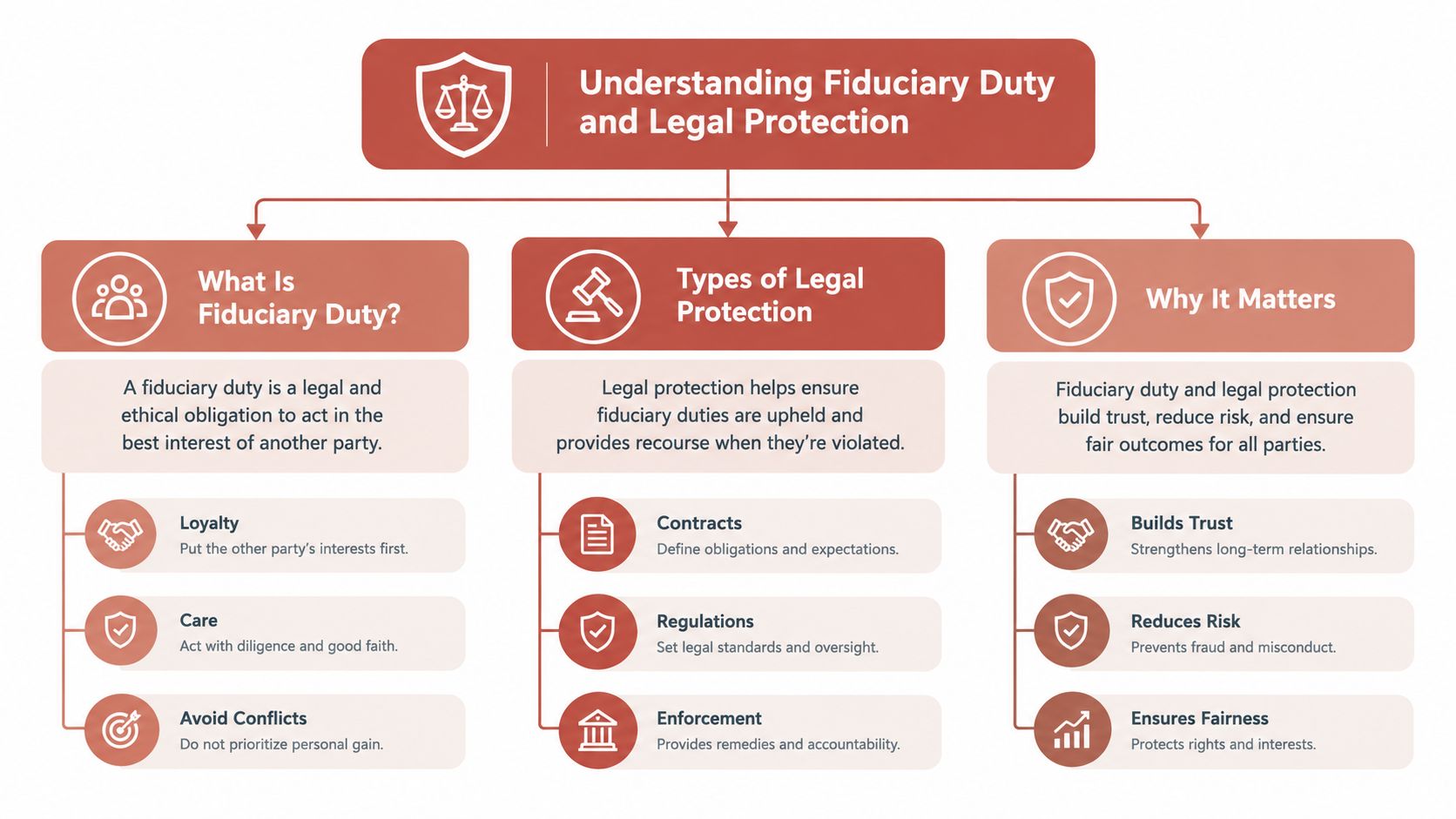
In Illinois, a buyer agency relationship carries defined duties that shape how an agent handles advice, negotiations, private information, and transaction decisions. Those duties include loyalty, obedience, diligence, disclosure, confidentiality, accounting, and reasonable skill and care. The agent must put the buyer's lawful interests first while following the agency agreement and applicable disclosure requirements.
What those duties mean in practice
Undivided loyalty means the agent works for the buyer's interests within the law and the agency agreement. The agent should not tell the seller that the buyer would pay more, feels pressured to move, or has become emotionally committed to a property unless the buyer authorizes that disclosure.
Confidentiality protects information that could weaken the buyer's negotiating position. If a buyer needs to move quickly, the agent can organize the search and deadlines around that fact without giving the seller an unnecessary advantage.
Disclosure and reasonable care require the agent to communicate material information they know and apply sound professional judgment. The agent does not replace an inspector, attorney, lender, or other specialist. The agent should recognize when an issue needs expert review, explain the concern clearly, and help the buyer reach the appropriate professional.
How fiduciary duty affects an offer
Offer advice should rest on comparable properties, condition, current competition, and the buyer's financial limits. A stronger price may improve the offer's appeal, while fewer or weaker contingencies may increase the buyer's exposure. The agent explains that trade-off. The buyer decides how much risk to accept.
In a competitive Oak Park or Naperville transaction, urgency can push buyers to volunteer information or waive protections without understanding the result. A careful agent identifies what changes, what remains protected, and which inspection, financing, attorney, appraisal, and closing deadlines follow.
Questions to ask before signing
Ask the agent to explain the agency relationship in plain English. Confirm how confidentiality, communication, offer preparation, referrals, and compensation will work, and ask who must approve each major decision.
Ask directly: “What information will you keep confidential, which decisions require my approval, and how will you alert me when a deadline or risk changes?”
Legal protection depends on understanding the relationship and communicating openly. Read the agreement before signing, raise unclear language promptly, and involve an attorney for legal advice about contract terms or rights. A clear agency relationship gives the buyer a defined point of accountability when inspections reveal problems, an appraisal creates pressure, or a missed deadline threatens the closing.
Strategic Property Search and Neighborhood Guidance
A useful property search begins with constraints, not enthusiasm. The buyer's budget, commute, preferred housing type, maintenance tolerance, transit needs, and intended length of ownership should determine which listings deserve attention. An agent with access to MRED can apply search criteria and monitor changes that may be easy to miss during casual browsing.
Learn how to search MLS more effectively before assuming every online result represents the full set of realistic choices. The goal isn't to inspect everything. It's to identify homes that fit both the buyer's stated needs and the less obvious realities of the location.

Local context changes the decision
In Melrose Park, a buyer may care about a particular commute pattern, street activity, or housing stock. In Elmhurst, transit access, lot characteristics, and neighborhood feel may matter as much as the interior renovation. Downers Grove, Glen Ellyn, and Naperville each contain distinct pockets where proximity to rail, commercial areas, major roads, parks, and schools can change daily life.
An algorithm can display a map. It can't walk the block with you, notice a drainage concern in a side yard, or explain why two nearby streets feel different at different times of day. Local guidance also means directing buyers to verify school assignments, taxes, zoning, permits, flood exposure, and planned changes with the appropriate public offices and specialists.
What the agent watches during tours
During a showing, buyers naturally focus on finishes and furniture. The agent should help widen the frame:
- Condition clues: Look for moisture evidence, deferred maintenance, aging mechanical systems, unusual odors, and signs that deserve inspection.
- Location realities: Consider traffic noise, train proximity, parking patterns, lot drainage, and how the property connects to everyday routes.
- Resale considerations: Discuss layout limitations, additions, basement utility, renovation quality, and features future buyers may value.
- Tour efficiency: Group suitable homes logically and remove poor matches quickly, rather than treating every appointment as equally worthwhile.
The agent doesn't diagnose defects or promise future value. Their job is to help the buyer notice questions early, then bring in the right professional before an offer or contingency decision.
Navigating the High-Friction Post-Offer Phase
The buyer agent's real value often becomes visible after acceptance. The property search is over, but the buyer now has a contract, a schedule, and several opportunities for the transaction to go wrong. The agent must coordinate people and information without making decisions that belong to the buyer, lender, inspector, or attorney.
Inspection negotiations require judgment
An inspection report can contain a long list of observations. Not every item justifies a demand, and not every serious concern is visible during a showing. The agent helps organize the findings, identify issues that affect safety, function, or near-term cost, and frame a request for repairs, a credit, or a contract response.
The trade-off matters. An aggressive request may create conflict or weaken the buyer's position. A vague request may leave the buyer responsible for a significant problem. The agent's job is to connect the report to the contract, communicate clearly with the seller's side, and let the buyer decide whether the proposed resolution is acceptable.
Appraisal and financing can change the plan
An appraisal supports the lender's collateral decision, but it isn't a guarantee that the home is worth the contract price. If the appraised value creates a financing problem, the agent helps the buyer understand the available contractual and negotiation paths alongside the lender and attorney.
The same discipline applies to loan conditions. A buyer may think the transaction is safe because the offer was accepted, while the lender still needs documents, explanations, or updated information. The agent should track communication, identify delays, and make sure the buyer knows which requests require immediate attention.
Deadlines are part of the buyer's protection
Inspection periods, attorney review, financing milestones, appraisal responses, title work, final walkthrough, and closing preparation all require timely action. Missing a deadline can reduce options or create avoidable pressure, even when the underlying property is suitable.
For a practical overview of the broader schedule, see this guide to how long it takes to close on a house. The exact timeline depends on the contract and transaction, so buyers should rely on their signed documents and professional advisers rather than a generic calendar.
| Transaction Phase | Agent's Core Responsibility | Buyer Risk if Unmanaged |
|---|---|---|
| Offer preparation | Analyze comparable properties, terms, contingencies, and timing | Paying too much or accepting avoidable exposure |
| Inspection period | Coordinate access, organize findings, and support repair or credit negotiations | Missing a contractual option or underestimating defects |
| Appraisal and financing | Communicate with the lender and seller's side about valuation and loan progress | Funding delays or an unresolved value gap |
| Title and closing preparation | Track requested documents, professional coordination, and milestones | Last-minute surprises or a delayed closing |
| Final walkthrough | Help compare the property's condition with the agreement | Discovering unresolved damage or missing items too late |
The buyer agent doesn't make a difficult property problem disappear. They make sure the buyer sees it, understands the available choices, and acts before the contract removes those choices.
Redefining Agent Value Amid Shifting Commission Rules
A buyer may find a home online in minutes, then spend weeks managing inspections, appraisal questions, contract deadlines, and lender requests. Online access changed property discovery. It did not replace the judgment required to assess condition, structure a defensible offer, negotiate risk, and reach closing.
Commission conversations now focus on who pays, which services are included, and how buyers should compare value. The Bankrate guide to buyer's agents reflects the shift toward clearer discussions about representation and payment expectations.
Value should be specific
Ask for the service list before signing a representation agreement. In the agreements I write, the scope covers search support, offer work, post-offer management, negotiation terms, and professional referrals.
- Search support: How will the agent filter properties and explain local conditions?
- Offer work: Will the agent prepare comparable analysis and explain price, contingencies, and timing?
- Post-offer management: Who coordinates inspection access, appraisal communication, lender follow-up, and milestone tracking?
- Negotiation scope: Does the service include repair requests, credits, amendments, and responses when conditions change?
- Professional referrals: Can the agent connect the buyer with suitable inspectors, lenders, attorneys, and other specialists?
The fee alone does not define the value. A lower fee with limited coordination may suit an experienced buyer who wants narrow assistance. Broader support may better fit a first-time buyer, relocating family, or purchaser considering an older suburban property in areas such as Oak Park, Elmhurst, or Downers Grove. Neither arrangement is automatically right. The written agreement should match the buyer's needs and state each party's responsibilities clearly.
Budget protection is part of the service
A buyer agent protects the budget through specific decisions. That can mean advising against an offer that strains the buyer's finances, preserving an inspection or financing contingency, questioning an unsupported price, or directing a technical concern to the appropriate professional.
The agreement should also distinguish negotiation from guarantees. No agent can promise an accepted offer, a particular appraisal, a repair outcome, or a trouble-free closing. The agent can provide preparation, communication, local pattern recognition, and disciplined follow-through when the transaction becomes difficult. That work often matters more after the offer is accepted than during the initial search.
Choosing the Right Local Representation
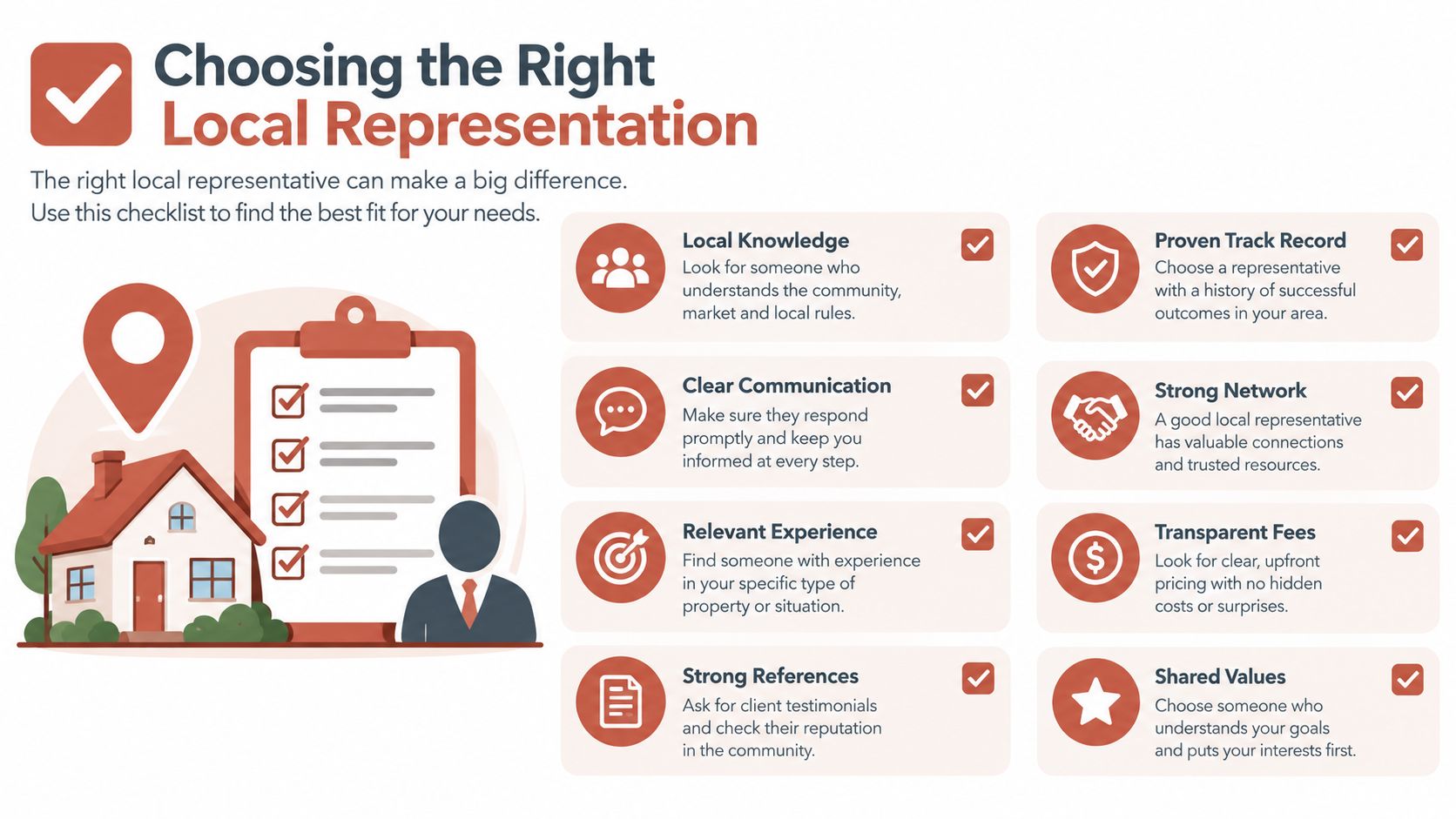
The right buyer agent combines local knowledge, contract awareness, steady communication, and honest judgment. In western Chicagoland, that means asking how the agent works across the municipalities you're considering, whether that's Melrose Park, Glen Ellyn, Elmhurst, Oak Park, Downers Grove, or Naperville.
Interview at least enough professionals to compare service scope, not just personality. Ask these questions:
- Local experience: Which neighborhoods and property types do you handle most often?
- Offer strategy: How do you analyze value before recommending a price or terms?
- Inspection judgment: How do you separate major concerns from routine maintenance?
- Deadline control: What system do you use to track contingencies, lender milestones, and closing tasks?
- Communication: How quickly should I expect responses, and who covers the transaction when you're unavailable?
- Professional network: Which inspectors, lenders, attorneys, and other specialists can I evaluate?
- Agreement clarity: How are services, compensation, cancellation, and buyer responsibilities described?
For background on the profession and local representation options, review this Illinois real estate agent resource.
The best fit isn't necessarily the most forceful or the most available for showings. Choose the professional who explains trade-offs, protects your information, understands the neighborhoods you're evaluating, and stays engaged after the offer is accepted.
Homes By Carmen offers buyer representation in Melrose Park and the surrounding Chicago suburbs, including MLS-supported searches, tour scheduling, offer guidance, inspection coordination, negotiation, and closing support. If you're comparing neighborhoods or preparing to make an offer, visit Homes By Carmen to discuss your priorities and the help you'll need throughout the transaction.