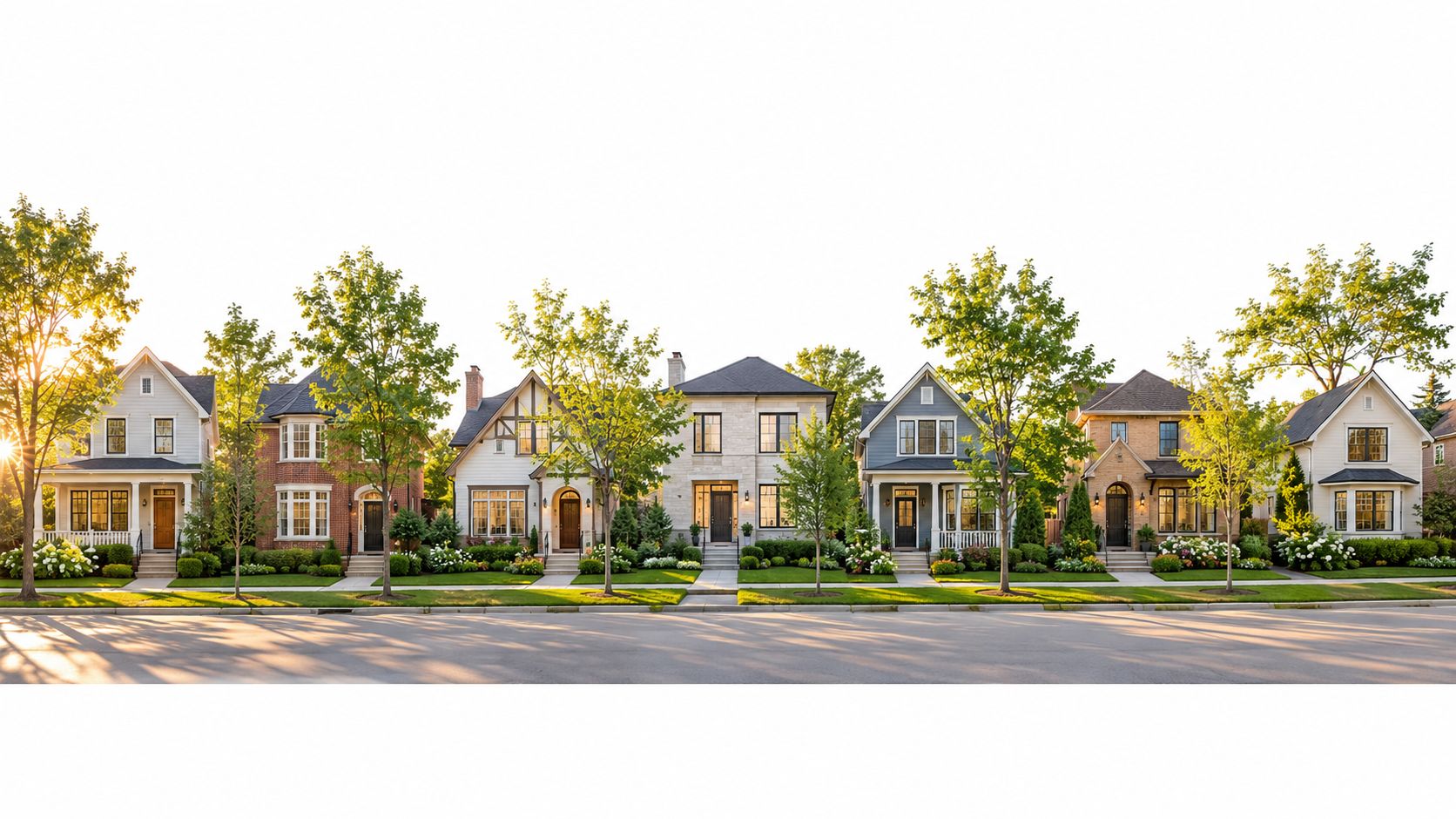
The best home among the homes for sale in Elmhurst, Illinois isn't automatically the most attractive or expensive listing. A renovated luxury property can still be the wrong choice if you need a short commute, predictable maintenance, or room in the budget for future improvements. A modest condo may fit better if walkability and lower upkeep matter more than yard size.
This roundup compares seven purchase paths, from entry-level ownership and commuter convenience to school priorities, turnkey living, historic restoration, and rental income. The examples are practical ways to evaluate listings, not substitutes for verifying current availability, taxes, school boundaries, HOA documents, financing terms, and property condition before you schedule a showing or write an offer.
Elmhurst is a high-cost suburban market. The U.S. Census Bureau profile for Elmhurst reports a July 2024 population estimate of 46,108, an owner-occupied housing rate of 79.7% for 2019–2023, and a median owner-occupied home value of $532,800 for that period. Homes By Carmen can help narrow an MLS-powered search, arrange tours, prepare offers, coordinate inspections, and manage closing details across western Chicagoland.
The best match is the home whose costs, location, and compromises fit your plan, not the listing that looks most impressive online.
Table of Contents
- 1. Classic Colonial on Spring Road
- 2. Modern Ranch with Updated Systems
- 3. Transitional Home in Prime School District
- 4. Luxury Contemporary Estate
- 5. Investment Opportunity with a Multifamily Rental Building
- 6. Charming Historic Home Needing Renovation
- 7. Suburban Starter Condo in a Walkable Community
- Elmhurst, IL Homes for Sale: 7-Property Comparison
- Final Thoughts
1. Classic Colonial on Spring Road
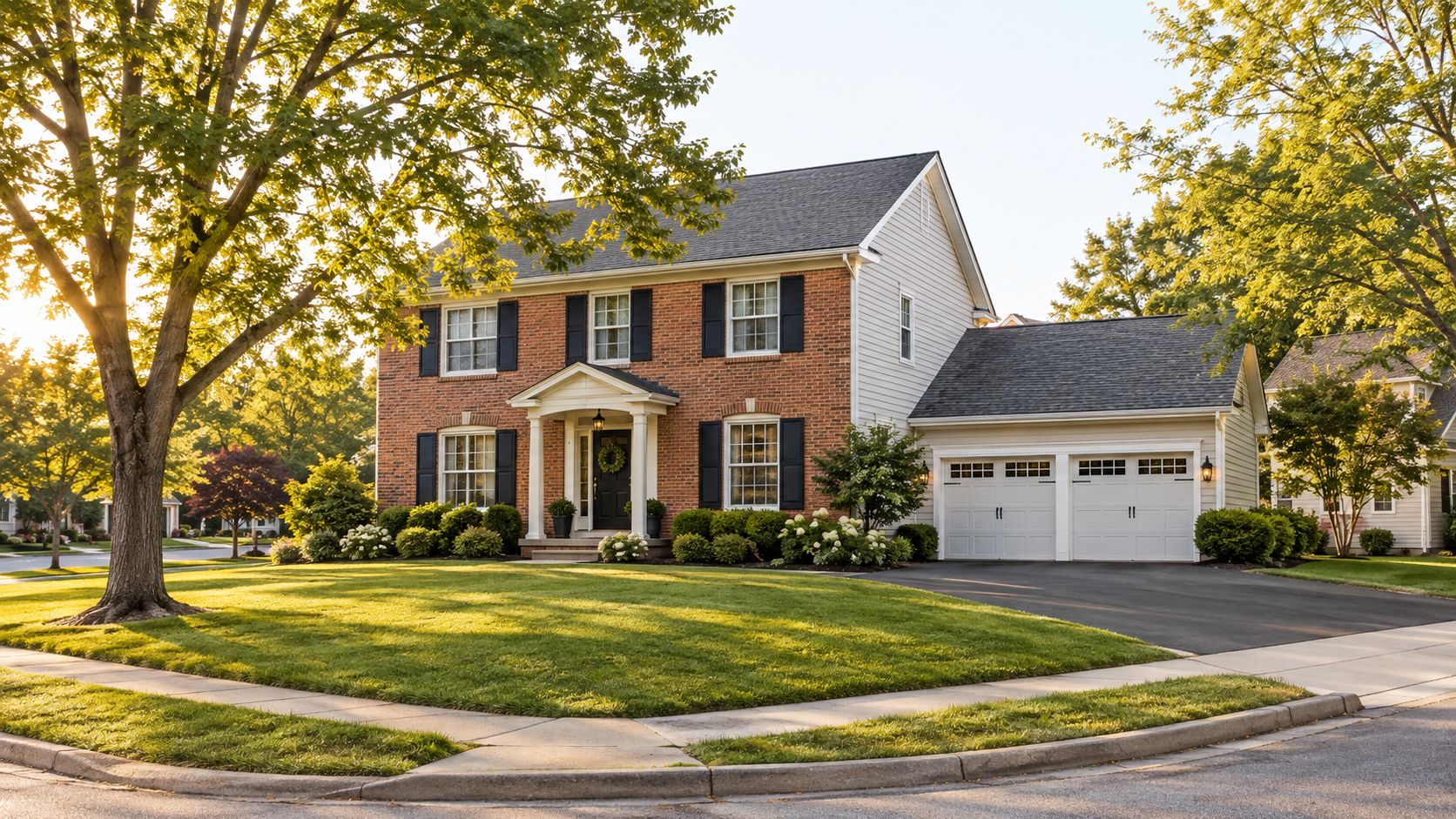
A well-maintained Colonial priced at $485,000 can make sense for a buyer who wants a conventional suburban layout without immediately stepping into the luxury tier. This example has four bedrooms, two-and-a-half bathrooms, original hardwood floors, a two-car attached garage, and a large corner lot. Built in 1985, it offers established character, but buyers shouldn't confuse good maintenance with new construction.
The corner lot may improve visibility and outdoor presence, yet it can also increase exposure to street noise, drainage questions, and insurance considerations. A basement adds useful space, though it deserves close inspection for moisture and foundation movement.
Make the offer reflect the house
For a buyer who sees the kitchen as dated, an offer around $465,000 to $475,000 may create room for negotiation while recognizing the home's location and usable floor plan. A seller credit for kitchen work can be more useful than a simple price reduction because it may preserve the contract value for appraisal purposes. Any credit must still comply with the buyer's loan rules.
Schedule the inspection within seven days if the contract allows it. Ask the inspector to focus on:
- Foundation and basement moisture: Look for active seepage, staining, cracks, and drainage concerns.
- Electrical panel: Confirm its condition, capacity, labeling, and any visible safety issues.
- Flood exposure: Verify the property's status independently and obtain an insurance quote before the inspection period ends.
- Major systems: Establish the age and service history of the roof, HVAC equipment, plumbing, and water heater.
The commuter-rail proximity broadens the audience beyond families. Dual-income professionals may value the established neighborhood and attached garage, but they'll still compare the home's total monthly cost with newer or more walkable alternatives.
2. Modern Ranch with Updated Systems
A $525,000 ranch in north Elmhurst serves a different buyer from the Colonial. The single-story design reduces stair use, and the three-bedroom, two-bathroom layout can suit a household that wants practical daily living rather than a formal two-story plan. Recent work completed in 2022 includes the roof, HVAC system, electrical panel, and kitchen.
That package is valuable because systems are harder to evaluate visually than countertops or flooring. Still, “updated” should lead to documentation, not assumptions. Ask for contractor invoices, permits where applicable, product information, and transferable warranties.
The open-concept living area and corner-lot setting may show especially well during a daytime tour. Natural light can change the perceived size and usability of a ranch, so visit at a time when the main living spaces are bright rather than relying only on listing photography.
Verify the work before paying for it
A starting offer around $515,000 to $520,000 may be reasonable if the updates are documented and comparable homes support the price. The seller may hold firmer because recent improvements reduce immediate repair needs, but that doesn't eliminate the buyer's need for an inspection and appraisal.
Give the lender the renovation records early. The lender and appraiser, not the listing description, determine how the improvements affect financing and value. A prompt appraisal can also expose a valuation issue before the buyer has spent time on later transaction steps.
Recent systems reduce uncertainty, but they don't replace invoices, permits, warranties, or an independent inspection.
This home may suit a first-time buyer who wants to avoid a major repair project, a downsizer who prefers one-level living, or a relocating household comparing schools and shopping access. The trade-off is that turnkey homes often attract buyers who are willing to pay for convenience, leaving less room for a large discount.
3. Transitional Home in Prime School District
Families often start with a school boundary and then work backward toward the house. This $595,000 transitional-style home in central Elmhurst has four bedrooms, two-and-a-half bathrooms, a brick exterior, hardwood floors, updated electrical service, and a renovated half-bath. Its position near Hawthorne Elementary, parks, shopping, and community amenities gives the property a lifestyle appeal that extends beyond the interior finishes.
The home was built in 1995, so it may offer a more familiar maintenance profile than a Victorian while still feeling established. Buyers should independently verify school assignments and enrollment information before relying on them in a purchase decision. Boundaries and policies can change.
For broader neighborhood context, review this guide to living in Elmhurst before you move. It can help you compare the daily experience of central Elmhurst with other parts of the western suburbs.
Protect the budget after closing
An offer around $575,000 to $585,000 could leave room for a seller credit toward appliances or closing costs. A credit may help preserve the purchase price while directing funds to an immediate need, but the contract and loan program must permit the requested concession.
Roof condition deserves special attention. If the inspector identifies wear that doesn't require immediate replacement, the buyer can seek a credit in the $4,000 to $6,000 range, subject to documentation and negotiation. Also request water-heater age, service records, and any available maintenance history.
Touring during school hours can reveal traffic patterns, pedestrian activity, and the neighborhood's daytime feel. A weekend visit adds a different perspective, especially for parking, noise, and park use. The right buyer isn't just buying a bedroom count. They're buying a routine that has to work on ordinary weekdays.
4. Luxury Contemporary Estate
A $725,000 contemporary estate is a purchase for buyers who value architectural design, entertaining space, and specialized features. This five-bedroom, three-and-a-half-bathroom residence was completed in 2008 and includes soaring ceilings, floor-to-ceiling windows, smart-home integration, slate, granite, Italian tile, custom millwork, and an estate-sized setting in a prestigious Elmhurst enclave.
The visual appeal is obvious. The financial analysis is less obvious. A luxury home can be harder to appraise because unusual design, premium finishes, and limited direct comparables may not translate cleanly into an appraiser's valuation. Buyers should keep an appraisal contingency with a defined process for responding to a shortfall.
Treat specialized features as systems
Use an inspector who understands high-end construction and smart-home equipment. Add $500 to $800 to the inspection budget for specialized review, as appropriate to the property's systems and the inspector's scope. Request warranties, service contracts, platform information, and transfer terms for the automation equipment. A system that works at the showing may still create future costs if subscriptions or proprietary components aren't transferable.
A wine cellar also needs more than a visual check. Ask for the humidity-control service schedule and maintenance records. The same principle applies to windows, custom mechanical equipment, security systems, and built-in appliances.
Professional photography and drone footage matter when selling a property like this later. Marketing should communicate the home's proportions, setting, finishes, and technology to relocating executives and high-income professionals, not merely display a series of close-up room shots.
The trade-off is carrying cost and resale complexity. A buyer who wants predictable maintenance and broad resale demand may prefer a simpler home. A buyer who values design and intends to stay can find the premium worthwhile, provided the inspection, appraisal, and documentation are handled carefully.
5. Investment Opportunity with a Multifamily Rental Building
A six-unit rental building priced at $650,000 belongs in a different analytical category from owner-occupied homes. This central Elmhurst property was converted from a single-family residence into apartments in 1998, with separately metered utilities. Five units are occupied and the current monthly income is $4,200, while the remaining unit is available for lease.
Those facts make the property worth investigating, not automatically profitable. An investor needs to confirm the rent roll, leases, deposits, payment history, operating expenses, taxes, insurance, utilities, repairs, and legal status of every unit. Occupancy claims should be checked against leases, bank records, and tenant communications where appropriate.
Review current Chicago housing market trends for broader context, but make the purchase decision from the property's own income statement and documented condition.
Underwrite the building, not the asking price
Request:
- Operating records: Obtain the rent roll, leases, expense history, tax bills, insurance information, and maintenance invoices.
- Code documentation: Confirm zoning, permits, unit legality, bedroom and egress requirements, and local habitability compliance.
- Physical review: Hire a structural engineer to examine the building envelope, mechanical systems, roof, plumbing, and common areas.
- Environmental review: Determine whether a Phase I environmental assessment is appropriate for the property's history and use.
- Financial analysis: Have a property-management CPA review the pro forma and calculate returns using realistic vacancy, repairs, management, and capital expenses.
The plan notes identify a possible $3,000 to $5,000 allowance for deferred-maintenance estimates, but actual costs depend on the inspection findings and scope. Don't treat that range as a reserve or a forecast.
A seller rent-back for the vacant unit may reduce transition risk for an investor who wants continuity while arranging a new lease. Seller financing or bridge financing could also be discussed, but both require legal and lending review. The main trade-off is clear: rental income creates upside potential, while tenant, compliance, and building-system responsibilities create work that a single-family buyer won't face.
6. Charming Historic Home Needing Renovation
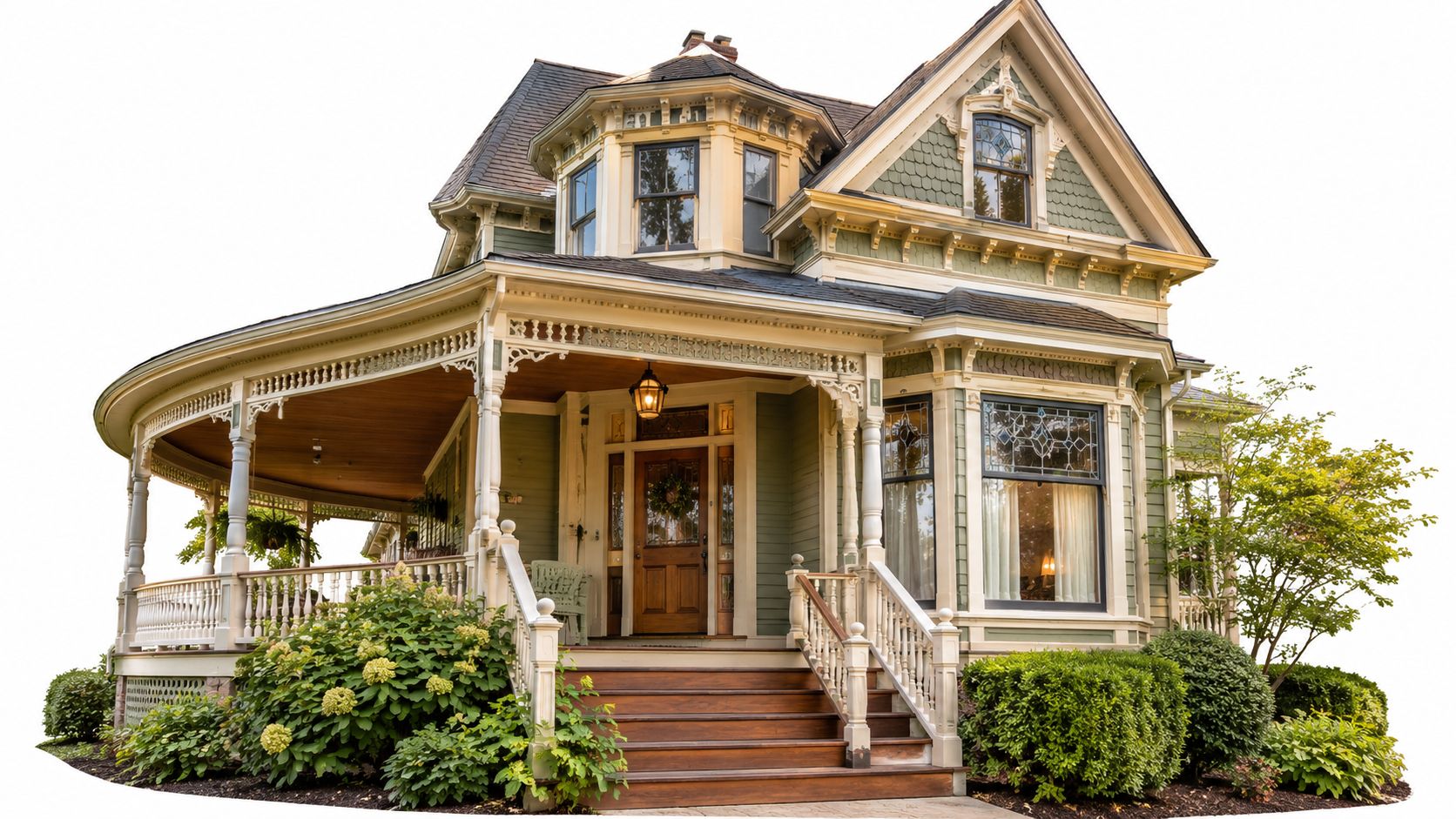
A $425,000 Victorian-era home built in 1898 can attract buyers who care more about original detail than turnkey convenience. This four-bedroom, two-bathroom property has crown molding, hardwood floors, leaded windows, and pocket doors. It also needs extensive modernization, so the purchase price is only the beginning of the financial decision.
Older homes reward patience and punish vague estimates. Hire an inspector who regularly evaluates period construction, then bring in specialists when the inspection identifies structural, electrical, plumbing, HVAC, or drainage concerns. A structural engineer may charge $800 to $1,200 for a focused assessment, depending on scope and local pricing.
Separate character from critical repairs
Create two budgets. The first should cover safety and operating systems, including HVAC, electrical, plumbing, structural work, and water management. The second can cover kitchens, bathrooms, flooring, paint, millwork, and exterior appearance. A phased plan keeps the buyer from spending heavily on finishes before the house is dry, safe, and functional.
Add a 15% to 20% contingency to contractor estimates for an old-house project. That isn't a guarantee of the final cost. It's a planning cushion for concealed conditions, changing material requirements, and work that becomes visible only after demolition.
Ask about the FHA 203(k) renovation loan if the buyer's lender supports it, and verify the down-payment and underwriting terms directly. Before changing windows, siding, porches, or other exterior features, confirm whether the property sits in a historic district and whether approvals are required.
Photograph and measure original details before work starts. Buyers can also review ways to increase curb appeal while preserving the home's architectural identity. This path suits a contractor, designer, or hands-on owner. It doesn't suit someone who needs a predictable move-in date or has no capacity to manage vendors.
7. Suburban Starter Condo in a Walkable Community
A $295,000 two-bedroom, one-and-a-half-bathroom condo in downtown Elmhurst offers a notably different ownership model. The low-rise building has six units, and the location puts shops, restaurants, transit, and schools within walking distance. That can appeal to first-time buyers, downsizers, remote workers, and investors who prefer less exterior maintenance.
The lower price point doesn't mean the due diligence is lower. Condo buyers purchase an individual unit plus a shared financial and physical environment. The monthly HOA fee, reserve position, insurance, maintenance history, rules, and pending assessments can affect affordability and resale as much as the kitchen or floor plan.
Review the association before the unit
Ask for the HOA declaration, budget, meeting minutes, reserve information, insurance certificate, rules, recent assessments, and an estoppel letter. The estoppel should confirm the account status and identify charges or obligations connected to the unit. Review the building's insurance policy to understand what the association covers and what the owner must insure personally.
Financing requires its own check. Ask the lender whether the building qualifies for the intended loan program, including FHA financing if relevant. The lender will review the association's finances, reserves, debt, insurance, and other project factors. A building that looks affordable may not qualify for every loan type.
During the inspection, focus on the unit's HVAC, plumbing vents, windows, ceilings, and signs of roof or exterior problems. Some components belong to the association, but a unit inspection can still identify evidence that should prompt questions.
Negotiate closing-cost credits or a waived HOA transfer fee rather than automatically reducing the price. Walk the neighborhood during the evening and on a weekend to assess noise, parking, lighting, and actual walkability. The central trade-off is simple: you gain convenience and lower personal maintenance, but you accept shared decisions, association finances, and building rules.
Elmhurst, IL Homes for Sale: 7-Property Comparison
These seven purchase paths serve different buyers. Compare not only price, but also repair exposure, financing needs, operating demands, and the steps required before making an offer.
| Listing | Price | Renovation & Maintenance Complexity | Resource Requirements | Expected Outcomes & Advantages | Ideal Use Cases |
|---|---|---|---|---|---|
| Classic Colonial on Spring Road | $485,000 | Moderate. HVAC dates to 2015 and the roof to 2018. Plan for kitchen and layout work within 3–5 years. | Typical 20% down, about $97k. Prioritize the foundation and basement inspection. Treat taxes of about 1.1% per year as an estimate to verify. Prepare $8k–$12k kitchen credit requests only after inspection findings. | Suburban stability, strong schools, and commuter access. If the price is below the neighborhood median, that may give the buyer negotiating room and resale upside, but confirm the comparison with current local sales. | First-time buyers, move-up families, and entry-level investors. |
| Modern Ranch with Updated Systems | $525,000 | Low. Major systems and the kitchen were renovated in 2022, with minimal repairs expected for 8–10 years. | About $105k for a 20% down payment. Verify the estimated 1.15% annual tax rate. Expect limited price movement, but lower near-term maintenance costs. | Move-in-ready condition, efficient systems, and single-story accessibility. The simpler maintenance profile may support a faster resale. | Move-in-ready buyers, empty-nesters, and buyers 55+. |
| Transitional Home in Prime School District | $595,000 | Moderate. Consider kitchen and primary-bedroom updates, with the roof approaching replacement in 5–7 years. | About $119k down at 20%. Verify the estimated 1.12% tax rate. A seller credit of about $7.5k is a negotiation target, not a guaranteed outcome. | School context, a central walkable location, and a durable brick exterior support long-term appeal. | Families prioritizing schools and move-up buyers seeking community amenities. |
| Luxury Contemporary Estate | $725,000 | Low renovation need, but high systems complexity. Smart-home equipment, theater components, and a wine cellar require specialized service. | About $145k down. Confirm annual taxes estimated at $8k–$9.5k, service contracts estimated at $500–$800 per year, and higher utility and insurance costs. | Turnkey luxury and distinctive amenities, balanced against a longer marketing timeline and smaller buyer pool. | High-net-worth individuals, executives, and luxury investors. |
| Investment Opportunity: Multi-Unit Rental Building | $650,000 | High. Tenant management, deferred maintenance, and capital-improvement planning require active oversight. | Investor financing is common. NOI of about $38.4k and a cap rate of about 5.9% are derived from the $4,200 monthly income stated in section 5. Confirm both against actual expenses. Verify the estimated 1.35% commercial tax rate and budget for Phase I and inspection costs. | Income-producing potential, possible 1031-exchange suitability, rental demand, cash flow, and depreciation benefits. | Accredited investors, portfolio builders, and owner-operators. |
| Charming Historic Home Needing Renovation | $425,000 | Very high. Full modernization of HVAC, electrical, plumbing, and roof may create a 6–12 month project. | About $85k down. The $60k–$80k renovation range is an initial estimate that requires contractor bids. FHA 203(k) or another rehab loan may be needed, along with historic-district approvals. | Architectural character and value-add potential, with possible historic tax credits and substantial schedule risk. | Contractors, design-focused buyers, and restoration investors. |
| Suburban Starter Condo in Walkable Community | $295,000 | Low. The HOA maintains the building, and the kitchen was updated in 2018. | About $59k down at 20%. HOA dues of $185 per month are stated in the association budget. Confirm what the fee covers and obtain lender approval for the condo. | Lower-maintenance ownership, walkability, transit access, and an accessible entry price. | First-time buyers, downsizers, young professionals, and condo investors. |
Final Thoughts
The phrase homes for sale in Elmhurst, Illinois covers several different decisions. A Colonial on a corner lot offers a familiar family layout and commuter appeal, but its older systems and basement require disciplined inspection. A modern ranch shifts more of the budget toward recent improvements and one-level living, while a transitional home places greater emphasis on school context, parks, and everyday community routines.
The luxury estate introduces a different set of questions. The buyer isn't only comparing bedrooms and bathrooms. They're evaluating custom technology, specialty maintenance, architectural uniqueness, and the possibility that an appraisal won't match the contract price. A multifamily building moves even farther from ordinary home shopping, because the central questions become legal unit status, operating expenses, tenant records, deferred maintenance, and income-based valuation.
The historic home offers the strongest character and the least predictable scope. It can work for a buyer who has renovation experience, access to qualified contractors, and enough financial capacity to absorb surprises. It can be a poor match for someone who needs a clean, immediate move or expects a cosmetic refresh to solve mechanical problems.
The downtown condo is the clearest entry path for buyers who value location over private outdoor space. Yet the HOA file deserves the same attention as the unit itself. Reserves, insurance, assessments, and building eligibility can change the financing and ownership experience.
Market context matters, but it shouldn't replace property-level analysis. Redfin's Elmhurst housing market page reports that in August 2026 the median sale price was $697,039, up 7.5% year over year, the median home value was $642,280, up 8.4% year over year, and homes went pending in around 17 days. Those figures describe a market snapshot, not the value of a particular Colonial, condo, renovation project, or rental building.
Supply also needs careful interpretation. One independent market report estimates 1.2 months of inventory, while late-August 2026 listing trackers reported 124 homes for sale and 112 for-sale homes. Review the Elmhurst market report from Homes By Marco, then confirm current inventory and status through an MLS-powered search before making a decision.
Luxury sales add another layer. A reported $3.6 million Elmhurst sale at $446 per square foot, alongside prior 2026 transactions at $2.35 million and $1.85 million, shows why broad averages can obscure the difference between standard housing stock, renovated historic homes, and prestige properties. Zillow's Elmhurst home-value page provides another market reference, but buyers still need comparable properties with similar size, condition, lot, and location.
Start by choosing the purchase path that fits your life and finances. Then verify the listing details, obtain financing guidance, inspect the property, review disclosures and association or rental documents, and structure the offer around the identified risks. Homes By Carmen can support that process with local search, tour scheduling, offer preparation, inspection coordination, and closing support.
Homes By Carmen helps buyers compare Elmhurst homes, condos, and investment properties through MLS-powered search, neighborhood guidance, offer strategy, and transaction coordination. Visit Homes By Carmen to narrow your search and arrange the next practical step.